
Why Are My Periods So Painful? Causes and Treatment Options
Menstrual periods are a normal part of the reproductive cycle, but for many women, they can bring uncomfortable cramps, lower back pain, bloating, headaches and fatigue. While mild menstrual discomfort is common, severe period pain can interfere with work, studies, exercise and everyday activities.
If you regularly ask yourself, “Why are my periods so painful?”, understanding the possible causes is an important first step. Menstrual cramps may occur because of natural uterine contractions, but persistent or worsening pain can sometimes indicate an underlying health condition.
Medical professionals use the term dysmenorrhea to describe painful menstruation. It is generally classified into two types: primary dysmenorrhea, which is not caused by another pelvic disorder, and secondary dysmenorrhea, which results from an underlying condition.
In this guide, we will explain the common causes of painful periods, symptoms you should recognise, treatment options, practical home-care measures and signs that mean you should consult a healthcare professional.
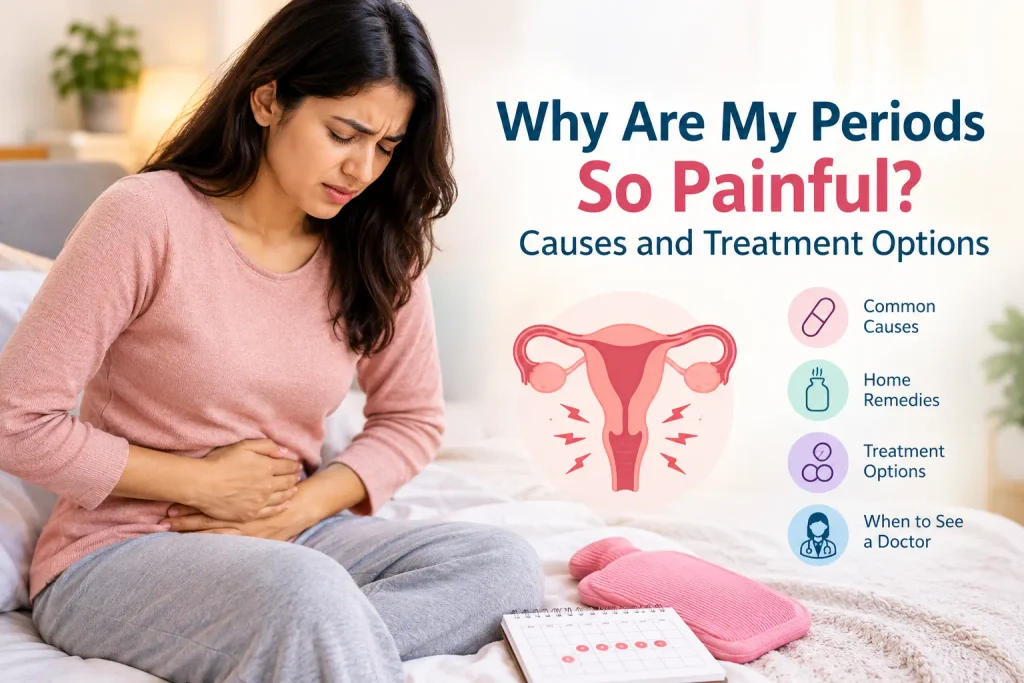
What Is Period Pain?
Period pain is cramping or discomfort experienced in the lower abdomen, pelvis or lower back before or during menstruation. It may feel like a dull ache, pressure, throbbing or sharp cramps.
During menstruation, the uterus contracts to help shed its lining. The body produces natural substances called prostaglandins, which encourage these contractions. Higher prostaglandin activity can contribute to stronger cramps and other symptoms.
For some women, pain lasts only a few hours or a day. For others, it can continue for several days and may be accompanied by nausea, diarrhoea, headaches or dizziness.
Occasional mild cramps are common. However, severe pain that repeatedly disrupts daily life should not be dismissed as something every woman simply has to tolerate.
10 Common Causes of Painful Periods
Understanding what causes painful periods can help you decide when self-care may be appropriate and when medical evaluation is necessary.
1. Strong Uterine Contractions
One of the most common causes of menstrual cramps is the contraction of the uterus during menstruation.
Prostaglandins help the uterine muscles contract to release the uterine lining. When their activity is high, contractions may become more intense, leading to lower abdominal pain.
This type of pain often begins shortly before or at the start of menstrual bleeding. It usually improves within the first few days.
2. Endometriosis
Endometriosis is a condition in which tissue similar to the lining of the uterus grows outside the uterus, often around the ovaries, fallopian tubes or other pelvic structures.
It may cause:
- Severe menstrual cramps
- Pelvic pain before or during periods
- Pain during sexual intercourse
- Pain while passing urine or stool, particularly around menstruation
- Difficulty becoming pregnant in some cases
Endometriosis-related pain can progressively worsen or continue outside the menstrual period. A gynaecologist can assess symptoms and recommend suitable investigations and treatment.
Learn more from the NHS guide to endometriosis.
3. Uterine Fibroids
Uterine fibroids are growths that develop in or around the uterus. They are usually non-cancerous, but their size and location can influence symptoms.
Possible symptoms include painful periods, heavy menstrual bleeding, pelvic pressure, frequent urination and discomfort in the lower abdomen.
Not every fibroid causes symptoms. If you experience increasingly painful periods or unusually heavy bleeding, a healthcare professional may recommend an examination or ultrasound.
4. Adenomyosis
Adenomyosis occurs when tissue similar to the uterine lining grows into the muscular wall of the uterus.
It may cause painful periods, heavy bleeding, pelvic pressure and discomfort that becomes more noticeable during menstruation.
Because its symptoms can resemble those of other gynaecological conditions, medical assessment may be needed to determine the cause.
5. Pelvic Inflammatory Disease (PID)
Pelvic inflammatory disease is an infection affecting parts of the female reproductive system, including the uterus, fallopian tubes or ovaries.
It can cause pelvic pain, unusual vaginal discharge, pain during sex, fever and bleeding between periods. Symptoms vary, and some people may have mild symptoms.
PID requires medical assessment and usually antibiotic treatment. Seek prompt medical advice if pelvic pain occurs with fever or unusual discharge.
6. Ovarian Cysts
Ovarian cysts are fluid-filled sacs that develop in or on an ovary. Many are harmless and resolve without treatment.
Some cysts may cause pelvic discomfort, abdominal fullness or changes in menstrual symptoms. Sudden, severe pelvic pain, especially with nausea or vomiting, can indicate a complication and requires urgent medical evaluation.
Severe pain should not automatically be attributed to ordinary menstrual cramps.
7. A Copper Intrauterine Device (IUD)
Some women experience stronger cramps or heavier bleeding after having a copper intrauterine device inserted for contraception.
These changes can be more noticeable during the first few months. However, severe or persistent pain, fever, unusual discharge or a significant change in bleeding should be assessed by a healthcare professional.
Do not remove or adjust an IUD yourself. A clinician can determine whether it is contributing to your symptoms.
8. Cervical or Uterine Conditions
Certain structural differences or conditions affecting the reproductive organs can contribute to painful menstruation.
In some cases, pain may begin soon after periods first start. In others, it develops later or becomes progressively worse.
A clinician may ask about the timing of your pain, bleeding pattern and medical history before deciding whether further examination or imaging is appropriate.
9. Heavy Menstrual Bleeding
Heavy bleeding and painful cramps may occur together, particularly when a condition such as fibroids or adenomyosis is present.
Signs of heavy menstrual bleeding can include needing to change menstrual products very frequently, bleeding for longer than usual or passing large blood clots.
Heavy bleeding can sometimes lead to iron-deficiency anaemia, which may cause fatigue, weakness, headaches or breathlessness.
If you experience heavy periods along with significant pain, discuss both symptoms with your healthcare professional.
10. Other Pelvic or Medical Conditions
Not all pelvic pain during menstruation originates from the uterus. Certain bowel, bladder or other pelvic conditions can cause discomfort that becomes more noticeable around a period.
For example, some people experience worsening bowel symptoms during menstruation. Others may have pelvic pain at different times of the month.
Keeping track of your symptoms can help a clinician distinguish ordinary menstrual cramps from pain that needs further investigation.
Primary vs Secondary Dysmenorrhea
There are two main types of painful periods.
Primary dysmenorrhea: Menstrual cramps that are not caused by another pelvic condition. They often begin during adolescence or early adulthood and occur around the start of bleeding.
Secondary dysmenorrhea: Menstrual pain caused by an underlying condition, such as endometriosis, adenomyosis or fibroids. It may develop later, worsen over time or continue beyond the menstrual period.
The timing of pain can offer clues, but it cannot establish a diagnosis on its own. A medical professional can assess persistent or severe symptoms.
Symptoms That May Accompany Painful Periods
Menstrual cramps may occur alongside several other symptoms, including:
- Cramping in the lower abdomen
- Lower back pain
- Pain that spreads into the thighs
- Nausea or vomiting
- Diarrhoea
- Headaches
- Bloating
- Tiredness
- Dizziness
Mild symptoms that settle after a short time may be manageable with self-care. However, severe pain, worsening symptoms or pain that affects your normal activities deserves medical attention.
How to Relieve Period Pain at Home
Several practical measures may help reduce menstrual discomfort. Their effectiveness varies from person to person.
1. Apply Gentle Heat
Place a warm—not excessively hot—heating pad or hot-water bottle over the lower abdomen or lower back.
Heat may help relax muscles and relieve cramps. Keep a protective layer between the heat source and your skin, and avoid sleeping with an active heating device.
2. Try Gentle Exercise
Walking, stretching, swimming or gentle yoga may help some women manage menstrual discomfort.
You do not need to force yourself to exercise when you feel unwell. Choose an activity that feels comfortable and stop if it worsens your symptoms.
3. Get Enough Sleep
Poor sleep can make pain harder to cope with. Try to maintain a regular sleep schedule and allow yourself adequate rest during menstruation.
If pain repeatedly prevents you from sleeping, speak with a healthcare professional.
4. Practise Relaxation Techniques
Slow breathing, meditation and gentle relaxation exercises may help you cope with discomfort and stress.
These methods can complement medical treatment, but they should not replace evaluation when pain is severe or persistent.
5. Eat Balanced Meals and Stay Hydrated
Drink enough water and aim for regular, balanced meals containing vegetables, fruit, whole grains, protein and sources of iron.
These habits support general health, particularly if you also experience heavy bleeding. However, no particular food or drink is proven to eliminate all causes of painful periods.
6. Track Your Menstrual Cycle
Record when your period begins, how long the pain lasts, how severe it feels and whether you experience heavy bleeding or other symptoms.
A symptom diary can help identify patterns and provide useful information during a medical appointment.
Medical Treatment Options for Painful Periods
Treatment depends on the severity of your symptoms, your medical history and the underlying cause.
1. Anti-Inflammatory Pain Relievers
Non-steroidal anti-inflammatory drugs (NSAIDs), such as ibuprofen or naproxen, can reduce prostaglandin production and help relieve menstrual cramps.
They may work best when taken at the beginning of symptoms, but they are not suitable for everyone. People with certain stomach, kidney or heart conditions, bleeding disorders, some forms of asthma, medication allergies or possible pregnancy should seek professional advice before using them.
Follow the product label and a healthcare professional’s guidance. Do not combine different NSAIDs unless specifically advised.
2. Other Pain Relief Medicines
Depending on your health history, a clinician or pharmacist may recommend another suitable pain reliever. The appropriate choice depends on your symptoms, other medicines and any existing medical conditions.
If over-the-counter treatment does not help, do not keep increasing the dose yourself.
3. Hormonal Treatments
Hormonal contraceptive methods, including certain pills, injections, implants or hormonal intrauterine systems, may reduce menstrual pain in some women.
These treatments can work by suppressing ovulation, thinning the uterine lining or reducing menstrual bleeding, depending on the method.
They are not suitable for everyone and require a discussion with a qualified healthcare professional, particularly if you are planning a pregnancy.
4. Treatment for the Underlying Condition
When painful periods result from endometriosis, fibroids, adenomyosis, pelvic infection or another condition, treatment is directed at that cause.
Options may include medication, antibiotics for certain infections, specialist treatment or surgery in selected cases. The right approach depends on the diagnosis, symptom severity and reproductive plans.
If your period pain remains severe despite treatment, ask whether further assessment or referral to a gynaecologist is appropriate.
When Should You See a Doctor for Period Pain?
Arrange a medical appointment if:
- Your period pain regularly interferes with work, school or daily activities.
- Your cramps are becoming more painful over time.
- Your periods become heavier or irregular.
- You experience pain during sex or when passing urine or stool.
- You have bleeding between periods.
- Pain continues after menstruation ends.
- Recommended pain relief and self-care do not help.
Seek urgent medical care if you experience sudden or severe pelvic pain, severe pain that is worse than usual, fainting, fever with pelvic pain, or very heavy bleeding accompanied by weakness or dizziness. If pregnancy is possible, severe pelvic pain or pain with bleeding also requires urgent assessment.
These symptoms may indicate a condition that needs prompt treatment rather than ordinary menstrual cramps.
How Is Severe Period Pain Diagnosed?
A healthcare professional may ask about your menstrual history, pain severity, bleeding, medications and other symptoms.
Depending on your situation, assessment may include:
- Medical history: When the pain starts, how long it lasts and whether it has changed.
- Physical examination: An examination may be recommended based on your symptoms and circumstances.
- Ultrasound: Imaging may help identify fibroids, ovarian cysts or other pelvic abnormalities.
- Additional tests: Further investigations may be needed if an infection, endometriosis or another condition is suspected.
Not everyone requires every test. The clinician will recommend investigations based on your symptoms and findings.
Can Lifestyle Changes Prevent Painful Periods?
Lifestyle changes may help support overall wellbeing and make menstrual discomfort easier to manage, although they cannot prevent every cause of period pain.
Consider these habits:
- Stay physically active according to your comfort level.
- Maintain a consistent sleep schedule.
- Eat a balanced diet with sufficient iron-rich foods.
- Use gentle heat when cramps begin.
- Manage stress through relaxation practices.
- Track changes in pain and bleeding.
- Seek medical advice when symptoms become severe or unusual.
Avoid relying on unverified supplements, herbal remedies or restrictive diets as a substitute for medical evaluation. If you are considering supplements, discuss their safety and possible interactions with a healthcare professional.
Frequently Asked Questions About Painful Periods
1. Why are my periods so painful on the first day?
Pain may be strongest on the first day because prostaglandin activity is often higher around the beginning of menstruation. Strong uterine contractions can cause cramps. However, severe or worsening pain should be assessed by a healthcare professional.
2. Are painful periods normal?
Mild to moderate cramps are common. Pain that prevents you from completing everyday activities, becomes progressively worse or does not respond to appropriate treatment should not be ignored.
3. Can severe period pain be a sign of endometriosis?
Yes. Endometriosis can cause severe menstrual cramps, pelvic pain and pain during sex or bowel movements. These symptoms can have other causes too, so a medical assessment is needed.
4. What is the fastest way to relieve period cramps?
Gentle heat may provide comfort, while suitable anti-inflammatory medicines can reduce cramps for some people. The safest and most effective option depends on your health history. Severe or unusual pain requires medical assessment.
5. Can painful periods affect fertility?
Ordinary menstrual cramps do not necessarily indicate a fertility problem. However, conditions associated with painful periods, particularly endometriosis, can sometimes affect fertility. Seek advice if you have concerns about conception.
6. Should I worry if my period pain gets worse every month?
Yes, worsening pain deserves medical evaluation. It may be associated with an underlying pelvic condition, and a clinician can determine whether investigations or treatment are needed.
7. Can exercise reduce menstrual cramps?
Gentle aerobic activity, walking and stretching may help some women manage discomfort. Choose activities that feel comfortable and seek medical advice if exercise worsens your pain.
8. When should I seek urgent help for painful periods?
Seek urgent care for sudden or severe pelvic pain, fever with pelvic pain, fainting, very heavy bleeding with weakness or dizziness, or severe pain when pregnancy is possible.
Conclusion
Painful periods are common, but severe menstrual cramps should not be accepted as an unavoidable part of being a woman. Strong uterine contractions can cause ordinary period pain, while conditions such as endometriosis, adenomyosis, fibroids and pelvic infections may cause more persistent or severe symptoms.
Gentle heat, adequate rest, suitable physical activity and appropriate pain relief may help manage uncomplicated menstrual cramps. However, persistent pain, worsening symptoms, unusually heavy bleeding or pain outside your period should be evaluated by a healthcare professional.
Understanding your menstrual pattern and seeking timely medical advice can help you identify the cause and find an appropriate treatment plan.
Disclaimer: This article is intended for general educational purposes only and does not replace professional medical advice, diagnosis or treatment. Consult a qualified healthcare professional about persistent or severe menstrual pain.
References and Further Reading
- American College of Obstetricians and Gynecologists (ACOG): Painful Periods
- NHS: Period Pain
- MedlinePlus: Period Pain
- NHS: Endometriosis
Read Also : Why Am I Always Tired? Causes & Solutions