
WHO GMP Nutraceutical Manufacturer: Why Quality Certification Matters in 2026
WHO GMP Nutraceutical Manufacturer: The Complete Guide to Quality, Safety & Manufacturing Excellence in 2026
The global nutraceutical industry is experiencing unprecedented growth as consumers increasingly prioritize preventive healthcare, balanced nutrition, and wellness. From immunity boosters and protein supplements to herbal capsules and multivitamins, nutraceutical products have become an essential part of modern lifestyles. However, the success of these products depends not only on innovative formulations but also on how they are manufactured.
Choosing a WHO GMP Nutraceutical Manufacturer is one of the most important decisions for healthcare brands, startups, and distributors. WHO Good Manufacturing Practices (WHO GMP) ensure that nutraceutical products are consistently produced and controlled according to internationally accepted quality standards. These standards help manufacturers deliver safe, effective, and reliable supplements while maintaining regulatory compliance.
Whether you are planning to launch your own supplement brand or searching for a reliable contract manufacturing partner, understanding WHO GMP certification will help you make an informed decision. This comprehensive guide explains everything you need to know about WHO GMP nutraceutical manufacturing, its benefits, manufacturing processes, quality standards, and how to select the right manufacturing partner.
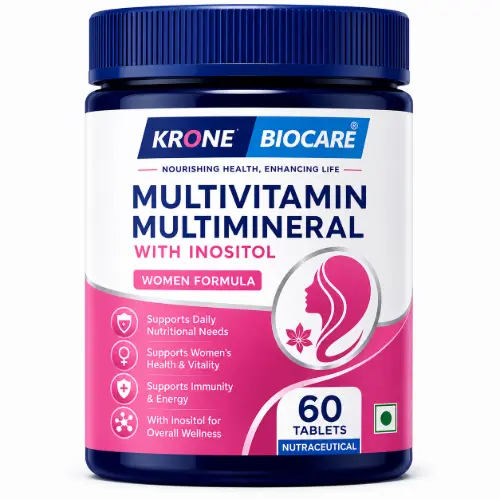
What Is a WHO GMP Nutraceutical Manufacturer?
A WHO GMP Nutraceutical Manufacturer is a company that follows the Good Manufacturing Practices recommended by the World Health Organization. These guidelines are designed to ensure that nutraceutical products are manufactured under hygienic, controlled, and standardized conditions.
WHO GMP covers every stage of production, including:
- Procurement of high-quality raw materials
- Manufacturing processes
- Quality testing
- Packaging
- Labeling
- Storage
- Distribution
- Documentation
The primary objective is to guarantee that every product reaching consumers is safe, effective, and consistent in quality.
Unlike ordinary manufacturing facilities, WHO GMP-certified manufacturers maintain strict quality systems, validated production procedures, trained personnel, and modern infrastructure to reduce manufacturing risks.
Understanding WHO GMP Certification
WHO GMP certification is recognized globally as a benchmark for pharmaceutical and nutraceutical manufacturing quality.
The certification focuses on several critical aspects:
Quality Management
Every manufacturing activity is documented and monitored to maintain product consistency.
Trained Personnel
Employees receive proper training in hygiene, production, documentation, and quality assurance.
Modern Manufacturing Facility
The facility should be clean, organized, and designed to prevent contamination.
Equipment Validation
Machines are regularly calibrated, maintained, and validated for consistent production.
Documentation
Every batch is documented, making products fully traceable from raw materials to finished goods.
Product Testing
Each batch undergoes rigorous quality testing before reaching the market.
WHO GMP Nutraceutical Manufacturer
Why WHO GMP Certification Matters
Consumers today are becoming increasingly aware of product quality and safety. They expect supplements to be manufactured according to international standards.
A WHO GMP-certified manufacturer provides confidence that products are produced using scientifically controlled processes rather than inconsistent manufacturing methods.
For businesses, partnering with a WHO GMP manufacturer helps improve brand credibility while reducing regulatory risks.
Some major advantages include:
- Better customer trust
- International quality standards
- Consistent product quality
- Reduced manufacturing errors
- Improved business reputation
- Higher export opportunities
Benefits of Choosing a WHO GMP Nutraceutical Manufacturer
1. Superior Product Quality
Quality begins with carefully selected ingredients and continues through every manufacturing stage.
Certified manufacturers implement multiple quality checkpoints to ensure every product meets specifications.
2. Enhanced Consumer Safety
Supplements directly affect human health. WHO GMP minimizes contamination risks through controlled manufacturing environments and hygiene protocols.
3. Consistent Manufacturing Standards
Every production batch follows standardized procedures, ensuring consistent taste, appearance, potency, and effectiveness.
4. Regulatory Compliance
WHO GMP-certified manufacturers comply with national and international quality regulations, making market approvals easier.
5. Better Brand Reputation
Consumers are more likely to trust products manufactured in certified facilities.
Displaying quality certifications significantly improves customer confidence.
6. International Business Opportunities
Many countries prefer importing products manufactured under WHO GMP-certified facilities.
This opens opportunities for exports and global expansion.
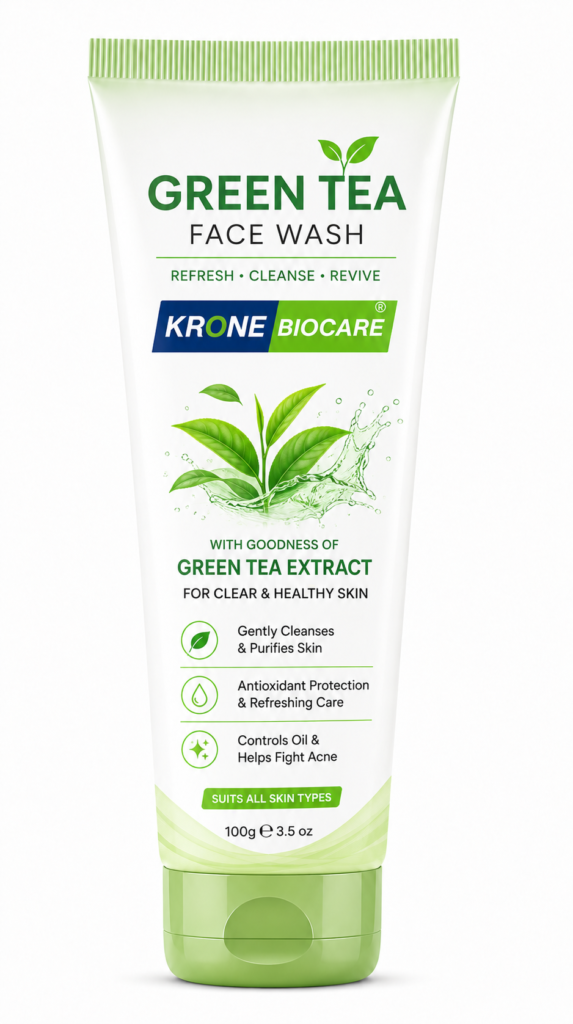
Types of Nutraceutical Products Manufactured
Modern WHO GMP nutraceutical manufacturers produce a diverse range of health supplements.
These include:
Tablets
- Multivitamins
- Calcium tablets
- Vitamin C tablets
- Immunity boosters
Capsules
- Herbal capsules
- Omega-3 capsules
- Joint support capsules
- Digestive health capsules
Softgel Capsules
- Fish oil
- Vitamin D
- Vitamin E
- Coenzyme Q10
Powders
- Protein powder
- Collagen peptides
- Electrolyte powders
- Greens powder
Syrups
- Children’s multivitamins
- Iron supplements
- Appetite stimulants
Gummies
- Vitamin gummies
- Hair & skin gummies
- Sleep support gummies
Sachets
- Energy drinks
- Electrolytes
- Collagen sachets
WHO GMP Nutraceutical Manufacturer
Manufacturing Process Followed by WHO GMP Manufacturers
Every nutraceutical product passes through a structured manufacturing process.
Raw Material Procurement
Certified vendors supply pharmaceutical-grade ingredients.
Every ingredient undergoes identity and purity testing.
Ingredient Testing
Laboratories verify:
- Identity
- Purity
- Moisture
- Microbial limits
- Heavy metals
Formulation Development
Research and Development teams prepare scientifically balanced formulations based on nutritional requirements.
Mixing and Blending
Automated equipment ensures uniform ingredient distribution.
Compression or Filling
Depending on dosage form:
- Tablets are compressed.
- Capsules are filled.
- Powders are packed.
- Syrups are filled into bottles.
Packaging
Products are packed using automated machinery in contamination-controlled environments.
Packaging options include:
- Bottles
- Blister packs
- Pouches
- Jars
- Cartons
Final Quality Inspection
Finished products undergo laboratory testing before release.
Only approved batches are dispatched.
WHO GMP Nutraceutical Manufacturer
Quality Control in WHO GMP Manufacturing
Quality control is one of the strongest pillars of WHO GMP certification.
Every stage is monitored carefully.
Testing includes:
- Raw material analysis
- In-process testing
- Finished product testing
- Stability testing
- Microbiological analysis
- Dissolution testing
- Uniformity testing
These procedures ensure products remain safe throughout their shelf life.
Private Label Nutraceutical Manufacturing
Private label manufacturing has become increasingly popular among entrepreneurs and healthcare companies.
Instead of establishing their own manufacturing plant, businesses collaborate with WHO GMP-certified manufacturers to produce supplements under their own brand.
Services generally include:
- Product formulation
- Packaging design
- Label printing
- Brand development
- Regulatory support
- Bulk manufacturing
Private labeling reduces investment costs while enabling faster market entry.
Contract Manufacturing Services
Contract manufacturing allows brands to outsource production while focusing on marketing and sales.
Benefits include:
- Lower operational costs
- Faster production
- Access to experienced professionals
- Advanced manufacturing technology
- Flexible production volumes
This model is ideal for startups as well as established healthcare companies.
How to Choose the Right WHO GMP Nutraceutical Manufacturer
Selecting the right partner requires careful evaluation.
Check Certifications
Verify WHO GMP certification and other relevant quality certifications.
Evaluate Infrastructure
Modern production facilities improve efficiency and product quality.
Review Product Portfolio
Choose manufacturers capable of producing multiple dosage forms.
Research Experience
Experienced manufacturers better understand regulatory and market requirements.
Ask About Testing
Every product should undergo comprehensive laboratory testing.
Packaging Capabilities
A good manufacturer should offer attractive and durable packaging options.
Delivery Performance
Timely production ensures uninterrupted product availability.
WHO GMP Nutraceutical Manufacturer
Common Mistakes Businesses Should Avoid
Many businesses select manufacturers solely based on price.
This often leads to quality compromises.
Avoid these mistakes:
- Ignoring certifications
- Choosing inexperienced manufacturers
- Skipping quality audits
- Not reviewing laboratory reports
- Poor packaging decisions
- Lack of documentation
Quality should always take priority over cost.
Future of WHO GMP Nutraceutical Manufacturing
The nutraceutical industry is evolving rapidly.
Future trends include:
- Personalized nutrition
- AI-driven quality control
- Sustainable packaging
- Plant-based supplements
- Clean-label formulations
- Smart manufacturing
- Traceability through digital systems
- Eco-friendly production practices
Manufacturers adopting these innovations will remain competitive in the coming years.
WHO GMP Nutraceutical Manufacturer
Why Businesses Prefer Krone Biocare
Krone Biocare is committed to delivering premium-quality nutraceutical manufacturing solutions that align with international quality standards. The company focuses on advanced manufacturing practices, stringent quality control, innovative formulations, and customer-centric services.
Businesses choose Krone Biocare because of:
- Advanced manufacturing infrastructure
- Skilled technical professionals
- Private label manufacturing support
- Custom formulation development
- Attractive packaging solutions
- Timely order execution
- Reliable customer support
- Focus on quality and compliance
Whether you are launching a new nutraceutical brand or expanding an existing portfolio, partnering with an experienced manufacturer can help ensure long-term success.
Frequently Asked Questions
What does WHO GMP stand for?
WHO GMP stands for World Health Organization Good Manufacturing Practices, a globally recognized quality standard for manufacturing healthcare and nutraceutical products.
Why is WHO GMP certification important?
It ensures that supplements are manufactured safely, consistently, and according to internationally accepted quality standards.
Can startups use WHO GMP nutraceutical manufacturers?
Yes. Many manufacturers provide private label and contract manufacturing services specifically designed for startups and emerging brands.
What products can be manufactured?
Manufacturers typically produce tablets, capsules, softgels, powders, gummies, syrups, sachets, and herbal supplements.
Is private label manufacturing profitable?
Yes. Private label manufacturing allows businesses to launch branded products without investing in manufacturing infrastructure, reducing costs and speeding up market entry.
WHO GMP Nutraceutical Manufacturer

Conclusion
A WHO GMP Nutraceutical Manufacturer plays a vital role in ensuring the production of safe, effective, and high-quality dietary supplements. As the nutraceutical market continues to expand, consumers and businesses increasingly value manufacturers that follow internationally recognized quality standards.
By partnering with a trusted WHO GMP-certified manufacturer, companies gain access to advanced manufacturing facilities, strict quality control systems, experienced technical teams, and reliable private label services. This not only enhances product quality but also strengthens customer trust, brand reputation, and long-term business growth.
Whether you are introducing your first supplement or expanding an established product line, selecting the right manufacturing partner is a strategic investment. Prioritize quality, compliance, innovation, and transparency to build a successful nutraceutical brand that stands out in today’s competitive marketplace.