
Whey Protein vs Peanut Protein Facts
Protein is one of the most essential nutrients required by the human body. Whether your goal is building muscle, improving recovery, maintaining a healthy weight, or supporting overall wellness, consuming enough high-quality protein plays an important role.
Today, consumers have access to a wide variety of protein supplements. Among the popular choices are whey protein and peanut protein. While both provide protein, they differ significantly in their nutritional composition, amino acid profile, digestibility, and suitability for different lifestyles.
Many people ask:
- Is peanut protein as good as whey protein?
- Which protein builds muscle faster?
- Is peanut protein suitable for athletes?
- Which protein offers better amino acids?
- Can peanut protein replace whey protein?
This guide answers these questions with evidence-based information so you can make an informed choice.
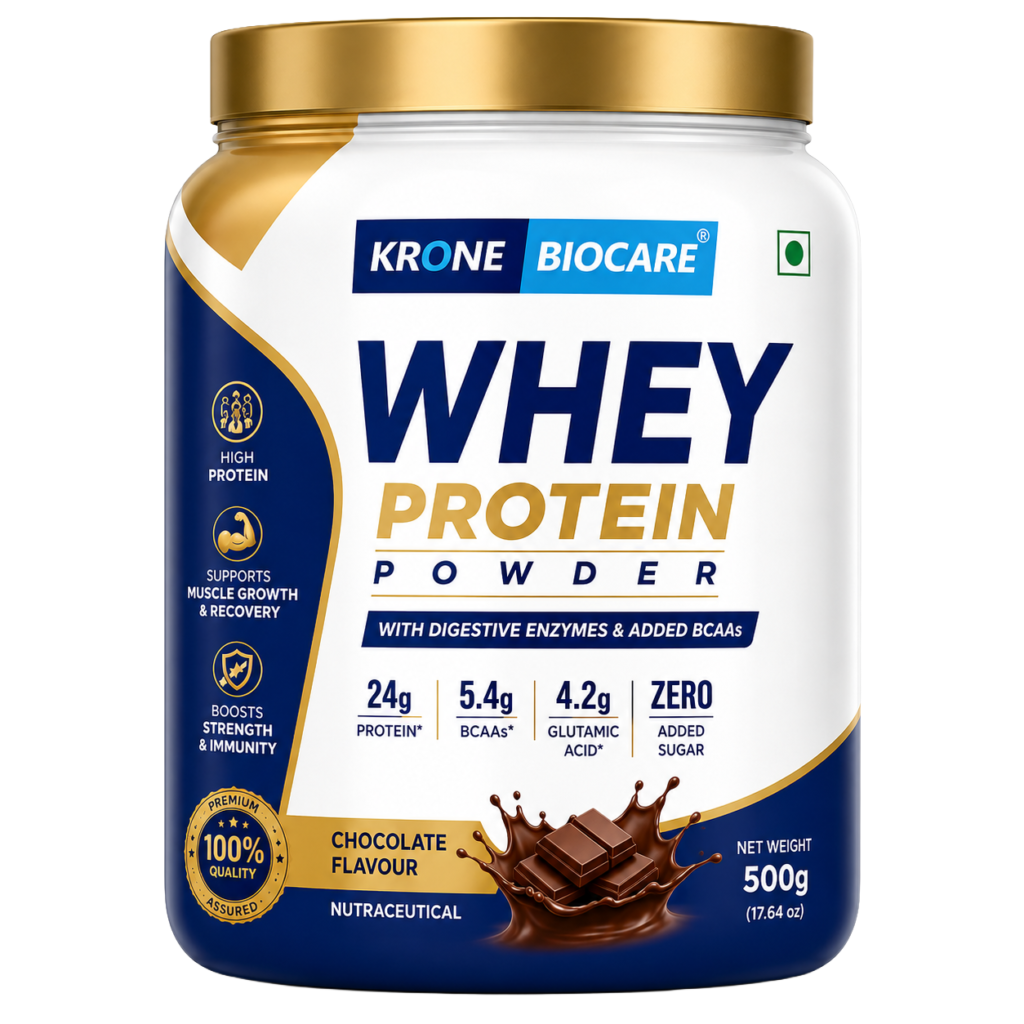
What Is Whey Protein?
Whey protein is a dairy-derived protein obtained during the cheese-making process. It is considered one of the highest-quality protein sources because it contains all nine essential amino acids required by the body.
Its high concentration of Branched-Chain Amino Acids (BCAAs), particularly leucine, makes it especially effective for stimulating muscle protein synthesis after exercise.
Types of Whey Protein
Whey Protein Concentrate
- Contains approximately 70–80% protein
- Includes small amounts of carbohydrates and fats
- Economical option
- Popular among beginners
Whey Protein Isolate
- Contains 90% or more protein
- Lower lactose content
- Lower fat and carbohydrates
- Suitable for individuals who want higher protein purity
Whey Protein Hydrolysate
- Partially pre-digested
- Faster absorption
- Often used in clinical nutrition and sports recovery
Benefits of Whey Protein
Supports Muscle Growth
Scientific research consistently shows that whey protein supports lean muscle development due to its complete amino acid profile.
Faster Recovery
Because whey protein is rapidly digested, it supplies amino acids quickly after exercise, helping support recovery.
Rich in BCAAs
Leucine, isoleucine, and valine help stimulate muscle protein synthesis and may reduce exercise-induced muscle breakdown.
Convenient Protein Source
For individuals struggling to meet daily protein requirements through food alone, whey protein provides a practical option.
High Biological Value
Whey protein has one of the highest biological values among dietary proteins, meaning the body can efficiently utilize it.
What Is Peanut Protein?
Peanut protein is a plant-based protein made by removing much of the oil from peanuts and processing the remaining protein-rich material into powder.
Unlike whey protein, peanut protein is naturally vegan and dairy-free, making it attractive for individuals following plant-based diets.
Although peanut protein contains valuable nutrients, it is relatively lower in certain essential amino acids, particularly methionine, compared with complete proteins.
Benefits of Peanut Protein
Plant-Based Nutrition
Peanut protein is suitable for vegans and individuals avoiding dairy products.
Naturally Contains Fiber
Depending on processing, peanut protein may contain more dietary fiber than whey protein.
Supports Daily Protein Intake
It helps increase total protein consumption, especially when combined with other plant proteins.
Rich in Plant Nutrients
Peanuts naturally provide antioxidants and beneficial plant compounds.
Environmentally Friendly
Plant proteins generally require fewer natural resources to produce than animal-derived proteins.
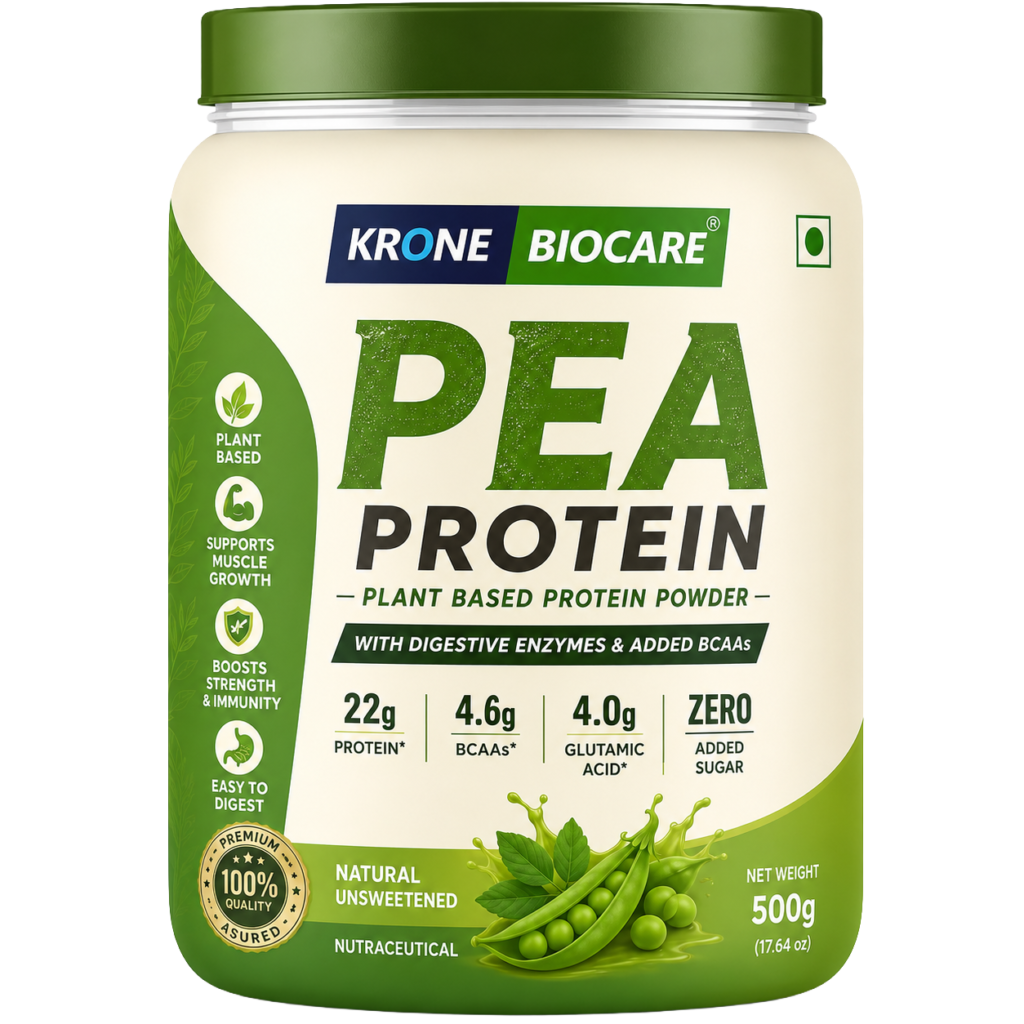
7 Amazing Whey Protein vs Peanut Protein Facts
Fact 1: Whey Protein Is a Complete Protein, While Peanut Protein Is Not
One of the biggest differences between whey protein and peanut protein lies in their amino acid profile.
A complete protein contains all nine essential amino acids that the body cannot produce on its own.
Whey protein naturally provides these amino acids in sufficient amounts.
Peanut protein, although nutritious, contains lower amounts of certain essential amino acids, particularly methionine. This means it is generally considered an incomplete protein when consumed alone.
For individuals relying exclusively on plant proteins, combining different protein sources—such as peanut, pea, rice, or soy protein—can help achieve a more balanced amino acid profile.
Fact 2: Whey Protein Contains More Leucine
Leucine is widely recognized as one of the key amino acids involved in muscle protein synthesis.
Whey protein naturally provides higher leucine levels compared with peanut protein.
This is one reason whey protein is commonly chosen by athletes and individuals looking to maximize post-workout recovery and support muscle maintenance.
However, peanut protein can still contribute to overall daily protein intake when included as part of a balanced diet.
Fact 3: Whey Protein Is Absorbed Faster Than Peanut Protein
One of the biggest advantages of whey protein is its rapid digestion and absorption. After a workout, muscles need amino acids quickly to begin the recovery process. Whey protein is often referred to as a fast-digesting protein, making it a popular choice for post-workout nutrition.
Peanut protein, on the other hand, digests more slowly because it naturally contains more fiber and plant compounds. While slower digestion can help promote fullness, it may not provide amino acids to muscles as quickly as whey protein.
Why Fast Absorption Matters
- Supports post-workout recovery
- Delivers amino acids quickly
- Helps stimulate muscle protein synthesis
- Convenient after intense exercise
Winner: Whey Protein
Fact 4: Peanut Protein Is an Excellent Plant-Based Alternative
Although whey protein offers a complete amino acid profile, peanut protein remains an excellent choice for people following vegan or dairy-free lifestyles.
Peanut protein provides:
- Good-quality plant protein
- Healthy plant compounds
- Dietary fiber
- Naturally dairy-free nutrition
However, because peanut protein is lower in methionine, many nutrition experts recommend combining it with complementary proteins such as:
- Pea Protein
- Brown Rice Protein
- Soy Protein
- Pumpkin Seed Protein
This combination creates a more balanced amino acid profile.
Winner: Peanut Protein (for plant-based diets)
Fact 5: Whey Protein Contains More BCAAs
Branched-Chain Amino Acids (BCAAs) include:
- Leucine
- Isoleucine
- Valine
These amino acids play an important role in muscle repair and recovery.
Whey protein naturally contains higher concentrations of BCAAs compared to peanut protein.
Benefits include:
- Supports muscle maintenance
- Helps recovery after exercise
- Supports lean muscle growth
- May reduce muscle breakdown
Peanut protein contains BCAAs as well, but generally in lower amounts.
Winner: Whey Protein
Fact 6: Peanut Protein May Help You Feel Fuller
Because peanut protein often contains more fiber and digests more slowly, it may promote satiety.
Many people prefer peanut protein when their goal is:
- Healthy snacking
- Weight management
- Plant-based nutrition
- Long-lasting fullness
However, weight management depends on your total calorie intake, activity level, and overall diet—not on one ingredient alone.
Winner: Peanut Protein (for satiety)
Fact 7: Your Fitness Goal Should Decide the Best Protein
There isn’t one protein that’s best for everyone.
Choose Whey Protein if you:
- Want faster muscle recovery
- Exercise regularly
- Lift weights
- Need high-quality complete protein
- Want maximum leucine intake
Choose Peanut Protein if you:
- Follow a vegan lifestyle
- Avoid dairy
- Prefer plant-based nutrition
- Want more dietary fiber
- Like plant-derived ingredients
Whey Protein vs Peanut Protein: Nutritional Comparison
| Nutrient | Whey Protein | Peanut Protein |
|---|---|---|
| Source | Dairy | Plant |
| Complete Protein | Yes | No |
| Essential Amino Acids | All 9 | Lower in Methionine |
| Leucine | High | Moderate |
| BCAA Content | High | Lower |
| Digestion | Fast | Moderate |
| Fiber | Very Low | Higher |
| Lactose | May Contain | Dairy-Free |
| Vegan | No | Yes |
| Muscle Building | Excellent | Good |
| Recovery | Excellent | Good |
| Weight Management | Good | Good |
Which Protein Is Better for Muscle Growth?
Muscle growth depends on several factors:
- Total daily protein intake
- Resistance training
- Sleep
- Recovery
- Overall nutrition
However, scientific evidence consistently shows that whey protein performs exceptionally well because it contains:
- Complete amino acids
- Higher leucine
- Higher biological value
- Better digestibility
This makes whey protein one of the most studied protein supplements for supporting muscle protein synthesis.
Which Protein Is Better for Weight Loss?
Neither whey protein nor peanut protein directly causes weight loss.
Weight loss occurs when you maintain a calorie deficit.
However:
Whey Protein
- Supports lean muscle during dieting
- High protein with fewer carbohydrates (especially isolate)
- Convenient meal supplement
Peanut Protein
- Higher fiber
- May increase fullness
- Plant-based option
Both can fit into a weight-management plan depending on your dietary preferences.
Which Protein Is Better for Athletes?
Athletes often require higher protein intake to support training and recovery.
Whey Protein is commonly preferred because:
- Rapid digestion
- High leucine
- Complete amino acid profile
- Strong research support
Peanut Protein can be suitable for:
- Vegan athletes
- Individuals avoiding dairy
- Those combining multiple plant proteins
Digestibility Comparison
Whey Protein
Advantages:
- Easily digested by most healthy adults
- Rapid amino acid delivery
- Excellent post-workout option
Possible limitation:
Some individuals with lactose intolerance may prefer whey isolate or a non-dairy protein source.
Peanut Protein
Advantages:
- Dairy-free
- Vegan-friendly
- Naturally plant-based
Possible limitation:
People with peanut allergies should avoid peanut protein entirely.
Common Myths About Whey Protein vs Peanut Protein
Myth 1: Peanut Protein Builds Muscle Exactly Like Whey
Reality:
Peanut protein contributes to daily protein intake, but whey protein generally provides a more complete amino acid profile for muscle protein synthesis.
Myth 2: Whey Protein Is Only for Bodybuilders
Reality:
Whey protein can help anyone who needs additional dietary protein, including active adults and older individuals, depending on their nutritional needs.
Myth 3: Plant Proteins Are Useless
Reality:
Plant proteins can absolutely support health and fitness, especially when consumed in sufficient amounts and combined with complementary protein sources.
Myth 4: More Protein Is Always Better
Reality:
Protein needs vary by age, body weight, activity level, and health status. Consuming more than you need does not automatically result in greater muscle growth.
Is Peanut Protein as Effective as Whey Protein?
The answer depends on your health goals.
If your primary objective is maximizing muscle protein synthesis, supporting post-workout recovery, or increasing high-quality protein intake, whey protein generally has an advantage due to its complete amino acid profile and naturally higher leucine content.
However, if you follow a vegan lifestyle, avoid dairy, or prefer plant-based nutrition, peanut protein can still be a valuable source of protein when incorporated into a balanced diet. Pairing peanut protein with other plant proteins, such as pea or rice protein, can help provide a more complete amino acid profile.
Who Should Choose Whey Protein?
Whey protein may be suitable for individuals who:
- Exercise regularly.
- Participate in resistance or strength training.
- Want convenient post-workout nutrition.
- Aim to support muscle maintenance or growth.
- Need a complete protein source with all essential amino acids.

Who Should Choose Peanut Protein?
Peanut protein may be suitable for individuals who:
- Follow a vegan or vegetarian lifestyle.
- Avoid dairy products.
- Prefer plant-based nutrition.
- Want to increase overall daily protein intake.
- Enjoy combining different plant protein sources.
Possible Limitations of Whey Protein
While whey protein is widely used, there are situations where it may not be the best choice.
- Not suitable for individuals with a milk protein allergy.
- Some whey concentrates contain lactose, which may not be tolerated by everyone.
- Premium whey isolates are generally more expensive.
Possible Limitations of Peanut Protein
Peanut protein also has limitations.
- Not suitable for individuals with peanut allergies.
- Lower in certain essential amino acids than whey protein.
- May require combination with other plant proteins for a more balanced amino acid profile.
How to Choose the Right Protein Supplement
Before purchasing any protein supplement, consider these factors:
1. Protein Content
Look for a product that clearly states the protein amount per serving.
2. Ingredient List
Choose products with transparent labeling and avoid unnecessary fillers if possible.
3. Quality Standards
Select products manufactured in facilities that follow recognized quality practices such as GMP and appropriate regulatory requirements.
4. Third-Party Testing
Independent quality testing can provide additional confidence in product quality.
5. Your Personal Goals
Your choice should align with your diet, activity level, and nutritional needs.
Frequently Asked Questions (FAQ)
1. Which is better: whey protein or peanut protein?
There is no single answer for everyone. Whey protein is a complete protein with higher leucine content, while peanut protein is a plant-based option suitable for people avoiding dairy.
2. Can peanut protein build muscle?
Peanut protein contributes to daily protein intake and can support muscle maintenance when total protein intake is adequate. For optimal amino acid balance, many people combine it with other plant proteins.
3. Is whey protein safe to consume daily?
For most healthy adults, whey protein can be included as part of a balanced diet to help meet daily protein needs. Individuals with specific medical conditions should seek advice from a qualified healthcare professional.
4. Which protein is better after a workout?
Many athletes choose whey protein after exercise because it digests quickly and provides a complete amino acid profile.
5. Is peanut protein vegan?
Yes. Peanut protein is derived from peanuts and is suitable for vegan and plant-based diets.
6. Can lactose-intolerant individuals consume whey protein?
Some people tolerate whey protein isolate, which contains very little lactose, better than whey concentrate. Individual tolerance varies.
7. Which protein is better for weight management?
Both whey protein and peanut protein can fit into a weight-management plan. Overall calorie intake, physical activity, and diet quality have a greater impact than choosing one protein alone.
Final Verdict
When comparing Whey Protein vs Peanut Protein, both options offer nutritional value, but they serve different needs.
Choose Whey Protein if you:
- Want a complete protein.
- Focus on muscle recovery.
- Need higher leucine and BCAAs.
- Perform regular strength training.
Choose Peanut Protein if you:
- Prefer a plant-based lifestyle.
- Avoid dairy products.
- Want a vegan-friendly protein source.
- Plan to combine multiple plant proteins.
The best protein is the one that matches your dietary preferences, health goals, and overall nutrition plan.
Conclusion
Both whey protein and peanut protein offer unique nutritional benefits, and the right choice depends on your fitness goals, dietary preferences, and lifestyle. Whey protein is ideal for rapid muscle recovery and a complete amino acid profile, while peanut protein is a great plant-based option that provides healthy fats, fiber, and sustained energy. Understanding the differences between these proteins helps you make an informed decision for better health and performance.
If you’re planning to launch a sports nutrition or protein supplement brand, Krone Biocare, a WHO-GMP Certified Company provides premium manufacturing solutions with customized formulations, high-quality ingredients, and private labeling services. Explore our Protein Powder Manufacturing, Nutraceutical Manufacturing, Private Label Supplement Manufacturing, and Sports Nutrition Manufacturing pages to discover how we can help you create high-quality protein products that meet today’s market demands.