
What Causes High Cholesterol? 10 Common Causes & Prevention Tips
High cholesterol is one of the most common health concerns affecting adults worldwide. It often develops silently, without noticeable symptoms, and can gradually increase the risk of serious cardiovascular problems, including heart disease, heart attacks and strokes.
But what causes high cholesterol? Is it only related to eating oily or fatty foods, or can genetics, stress, lack of exercise and underlying health conditions also contribute?
The answer is that high cholesterol can develop due to several factors working together. Your diet, daily lifestyle, family history, age, certain medications and medical conditions can all influence your cholesterol levels.
Understanding the causes of high cholesterol is the first step towards protecting your heart and maintaining long-term health.
In this comprehensive guide by Krone Biocare, we will explore the 10 most common causes of high cholesterol, foods that may increase cholesterol, associated health risks and practical ways to maintain healthy cholesterol levels.
What Is High Cholesterol?
Cholesterol is a waxy, fat-like substance naturally produced by your liver. Your body needs cholesterol to build healthy cells, produce certain hormones and support vitamin D production.
However, having too much cholesterol in your bloodstream can become harmful.
Cholesterol travels through your blood with the help of substances called lipoproteins. The two main types are:
1. LDL (Low-Density Lipoprotein) – Bad Cholesterol
LDL cholesterol is commonly known as bad cholesterol because excessive levels can contribute to fatty deposits inside artery walls.
Over time, these deposits can narrow arteries and restrict blood flow, increasing the risk of heart attacks and strokes.
2. HDL (High-Density Lipoprotein) – Good Cholesterol
HDL cholesterol is known as good cholesterol because it helps transport excess cholesterol away from the bloodstream towards the liver for removal.
Maintaining a healthy balance between LDL, HDL and triglycerides is important for cardiovascular health.
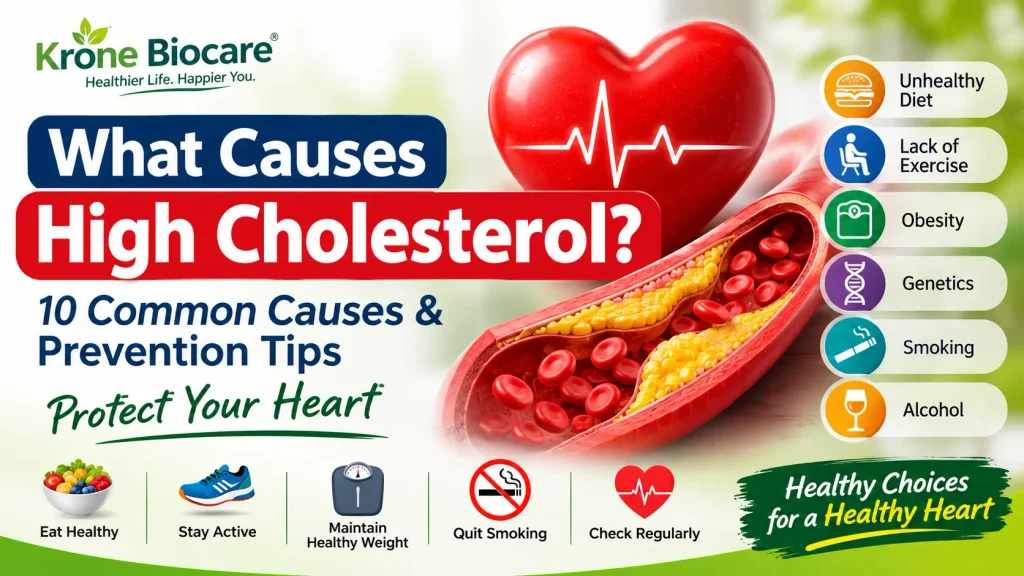
What Causes High Cholesterol? 10 Common Causes You Should Know
High cholesterol does not have just one cause. It can result from unhealthy lifestyle habits, inherited genetic factors and certain medical conditions.
Here are ten common factors that may increase cholesterol levels.
1. Eating Foods High in Saturated and Trans Fats
One of the major causes of high LDL cholesterol is regularly consuming foods rich in saturated and trans fats.
These fats can increase LDL cholesterol levels and negatively affect cardiovascular health.
Common food sources include:
- Butter and excessive ghee consumption
- Fatty cuts of red meat
- Full-fat dairy products
- Deep-fried foods
- Commercial bakery products
- Processed snacks and packaged foods
- Foods containing partially hydrogenated oils
Regular consumption of these foods may contribute to unhealthy cholesterol levels.
What can you do?
Choose healthier fats, such as nuts, seeds, olive oil and other unsaturated vegetable oils. Include fruits, vegetables, whole grains and fibre-rich foods in your daily diet.
2. Lack of Physical Activity
A sedentary lifestyle is another important risk factor for high cholesterol.
When you spend most of your day sitting, working at a desk or watching television, your body gets less physical activity than it needs.
Insufficient exercise may contribute to:
- Higher LDL cholesterol
- Lower HDL cholesterol
- Weight gain
- Increased triglyceride levels
- Poor cardiovascular fitness
What can you do?
Try to include regular physical activity in your routine. Walking, cycling, swimming and other aerobic exercises can support healthier cholesterol levels.
Adults are generally advised to aim for at least 150 minutes of moderate-intensity physical activity each week, subject to their health and fitness levels.
3. Being Overweight or Obese
Excess body weight, particularly around the abdomen, can negatively affect the way your body processes fats.
People with overweight or obesity may experience higher triglyceride levels, increased LDL cholesterol and reduced HDL cholesterol.
Excess body fat can also affect insulin sensitivity and increase the risk of developing type 2 diabetes.
What can you do?
Focus on gradual and sustainable weight management through balanced nutrition, regular exercise and healthy daily habits.
Even modest weight loss, when appropriate, may improve your overall cholesterol profile.
4. Genetic Factors and Family History
Sometimes, high cholesterol develops even in people who follow a healthy diet and exercise regularly.
This may happen because of inherited genetic factors.
One important inherited condition is called Familial Hypercholesterolemia (FH). People with this condition have difficulty removing LDL cholesterol from their blood, resulting in significantly elevated cholesterol levels.
Warning factors include:
- A family history of high cholesterol.
- Heart attacks at an unusually young age among close relatives.
- Very high LDL cholesterol levels.
- High cholesterol despite maintaining healthy lifestyle habits.
What can you do?
If high cholesterol runs in your family, speak with a healthcare professional about cholesterol screening and whether family members should also be tested.
Early identification can help prevent future cardiovascular complications.
5. Diabetes and Insulin Resistance
Diabetes is closely associated with unhealthy cholesterol levels.
People with type 2 diabetes may experience a combination of high triglycerides, low HDL cholesterol and changes in LDL cholesterol.
Insulin resistance can affect how the body processes fats and sugars, contributing to an unhealthy lipid profile.
This combination can increase the risk of cardiovascular disease.
What can you do?
Maintain appropriate blood glucose levels through medical guidance, balanced nutrition, physical activity and prescribed treatment.
Regular monitoring of blood sugar and cholesterol is particularly important for people living with diabetes.
6. Smoking and Tobacco Consumption
Smoking is harmful to cardiovascular health and can negatively affect cholesterol balance.
It may reduce HDL (good) cholesterol and contribute to damage within blood vessels.
Tobacco exposure also increases the risk of plaque formation and cardiovascular complications.
What can you do?
Avoid smoking and tobacco products. Quitting smoking can improve cardiovascular health and reduce the risk of heart disease over time.
7. Excessive Alcohol Consumption
Regularly consuming excessive amounts of alcohol can increase triglyceride levels and contribute to metabolic and cardiovascular problems.
Alcohol can also add extra calories to your diet, potentially contributing to weight gain.
Its effects may vary depending on the amount consumed, individual health and other lifestyle factors.
What can you do?
Avoid excessive alcohol consumption. If you do not drink alcohol, there is no reason to start drinking for cholesterol management.
People with elevated triglycerides or other medical conditions should discuss alcohol consumption with their healthcare professional.
8. Certain Medical Conditions
Some underlying health conditions can interfere with the body’s ability to regulate cholesterol.
These include:
- Hypothyroidism: An underactive thyroid can reduce the body’s ability to clear LDL cholesterol.
- Chronic kidney disease: Kidney problems can affect lipid metabolism.
- Liver disorders: Certain liver conditions can influence cholesterol regulation.
- Type 2 diabetes: Can contribute to unhealthy LDL, HDL and triglyceride levels.
- Obesity: Can negatively affect the overall lipid profile.
Identifying and managing these conditions may help improve cholesterol levels.
9. Certain Medications
Some prescription medicines may influence cholesterol levels as a side effect.
Depending on the medication, they may increase LDL cholesterol, raise triglycerides or reduce HDL cholesterol.
Examples may include certain:
- Steroid medications.
- Some blood pressure medicines.
- Immunosuppressant medications.
- Certain acne treatments.
- Medicines used after organ transplantation.
However, medication effects vary from person to person.
Important: Never stop or change a prescribed medicine without consulting your doctor. Your healthcare professional can review your treatment and discuss suitable alternatives if needed.
10. Age and Hormonal Changes
Age is another factor that can influence cholesterol levels.
As people grow older, their bodies may become less efficient at removing LDL cholesterol from the bloodstream.
Women may also experience changes in cholesterol levels during and after menopause due to hormonal changes.
However, high cholesterol is not limited to older adults. Young adults and even children can develop unhealthy cholesterol levels, especially when genetic factors are involved.
What can you do?
Maintain a healthy lifestyle and discuss appropriate cholesterol screening with your healthcare professional according to your age, family history and individual risk factors.
Foods That May Increase Cholesterol Levels
Your daily diet plays an important role in maintaining healthy cholesterol levels.
Regular consumption of foods high in saturated and trans fats can increase LDL cholesterol.
Here are some foods that you should limit:
| Food | Why to limit it |
|---|---|
| Fatty red meat | Contains saturated fat |
| Butter | High in saturated fat |
| Full-fat dairy products | May contribute to saturated fat intake |
| Deep-fried foods | May contain unhealthy fats |
| Processed bakery products | May contain saturated or trans fats |
| Packaged snacks | Some contain unhealthy fats and excess calories |
| Processed meats | May contain saturated fat and excess sodium |
Remember that not all dietary fats are harmful. Unsaturated fats found in nuts, seeds, fish and vegetable oils can be part of a heart-healthy eating pattern.
Best Foods to Help Maintain Healthy Cholesterol Levels
A balanced diet containing fibre-rich foods and healthier fats can support cholesterol management.
Consider including the following foods:
1. Oats
Oats contain soluble fibre, particularly beta-glucan, which can help reduce LDL cholesterol when consumed regularly as part of a balanced diet.
2. Fruits
Apples, oranges, pears and other fruits provide dietary fibre and beneficial plant compounds.
3. Green Vegetables
Spinach, broccoli, carrots and other vegetables provide fibre, vitamins and minerals that support overall health.
4. Nuts and Seeds
Almonds, walnuts, flaxseeds and chia seeds contain unsaturated fats and other nutrients.
5. Whole Grains
Oats, barley and whole-wheat foods can contribute to a fibre-rich eating pattern.
6. Legumes
Beans, lentils, chickpeas and other pulses provide plant protein and soluble fibre.
7. Fish
Certain fish, including salmon and sardines, contain omega-3 fatty acids that can help reduce triglyceride levels.
A healthy diet works best when combined with physical activity, weight management and other positive lifestyle habits.
What Are the Symptoms of High Cholesterol?
One of the biggest challenges with high cholesterol is that it usually does not produce noticeable symptoms.
Many people have elevated cholesterol for years without knowing it.
In most cases, high cholesterol is discovered through a routine blood test called a lipid profile.
Very high or long-standing cholesterol, particularly in inherited conditions, can sometimes cause visible signs such as:
- Yellowish fatty deposits around the eyelids.
- Fatty lumps around tendons.
- A pale ring around the cornea, particularly at a younger age.
However, these signs are not present in most people.
You should not wait for symptoms before checking your cholesterol levels.
How Is High Cholesterol Diagnosed?
High cholesterol is diagnosed through a blood test known as a lipid profile or lipid panel.
This test generally measures four important components:
| Test | What it measures |
|---|---|
| Total cholesterol | Overall cholesterol in the blood |
| LDL cholesterol | Commonly called bad cholesterol |
| HDL cholesterol | Commonly called good cholesterol |
| Triglycerides | Another type of fat circulating in the blood |
Your doctor will interpret these results according to your age, medical history, blood pressure, diabetes status and overall cardiovascular risk.
There is no single LDL target that is appropriate for everyone. Your individual treatment goal depends on your health profile.
How to Reduce High Cholesterol Naturally?
Lifestyle improvements can play an important role in maintaining healthy cholesterol levels.
Here are some practical steps:
- Eat a balanced diet: Reduce saturated and trans fats and include fibre-rich foods.
- Exercise regularly: Walking, cycling and swimming can support cardiovascular fitness.
- Maintain a healthy weight: Gradual weight management can improve your lipid profile.
- Stop smoking: Avoid tobacco to protect your blood vessels and cardiovascular health.
- Limit excessive alcohol: Excessive consumption can increase triglycerides.
- Manage diabetes: Keep blood glucose levels under appropriate medical supervision.
- Get adequate sleep: Maintain a consistent and healthy sleep routine.
- Monitor cholesterol: Get regular lipid profile tests as recommended by your doctor.
These lifestyle measures may improve cholesterol levels, but some people also need prescription medication, such as statins, to reduce their cardiovascular risk.
Never replace prescribed cholesterol medication with dietary supplements or home remedies without medical advice.
Can High Cholesterol Be Dangerous?
Yes. Persistently elevated LDL cholesterol can contribute to plaque formation inside the arteries.
This process is known as atherosclerosis.
As plaque builds up, arteries can become narrower and less flexible, restricting normal blood flow.
Potential complications include:
- Coronary artery disease.
- Heart attack.
- Stroke.
- Peripheral artery disease.
The risk depends on several factors, including cholesterol levels, blood pressure, smoking, diabetes, age and family history.
Early diagnosis and appropriate management can help reduce these risks.
When Should You Consult a Doctor?
You should discuss cholesterol testing with your healthcare professional if:
- You have a family history of high cholesterol.
- You have diabetes or high blood pressure.
- You are overweight or physically inactive.
- You smoke or regularly consume excessive alcohol.
- You have previously been diagnosed with high cholesterol.
- You have a family history of early heart disease.
Seek emergency medical assistance if you experience symptoms such as chest pain, sudden breathlessness, sudden weakness on one side of the body or difficulty speaking.
These symptoms may indicate a heart attack or stroke and should never be ignored.
Frequently Asked Questions (FAQs)
1. What is the main cause of high cholesterol?
An unhealthy lifestyle, particularly a diet high in saturated fats, physical inactivity and excess body weight, is a common contributor to high LDL cholesterol. Genetics and medical conditions can also play an important role.
2. Can you have high cholesterol even if you are thin?
Yes. People with a healthy body weight can still have high cholesterol due to genetic factors, an unhealthy diet, certain medical conditions or medications.
3. Does eating eggs cause high cholesterol?
Eggs contain dietary cholesterol, but their overall effect on blood cholesterol varies between individuals. Saturated fat intake and the overall dietary pattern are important considerations. Most healthy people can include eggs in a balanced diet, but individual dietary advice may differ.
4. Can stress increase cholesterol levels?
Chronic stress may influence cholesterol indirectly through hormonal changes, sleep disruption and unhealthy lifestyle habits. The relationship is complex, and stress should not be assumed to be the only cause of high cholesterol.
5. What foods should I avoid if I have high cholesterol?
Limit foods high in saturated and trans fats, including fatty meats, excessive butter, full-fat dairy products, deep-fried foods and certain processed bakery products.
6. Can walking help reduce cholesterol?
Yes. Regular brisk walking can improve cardiovascular fitness, support weight management and contribute to a healthier cholesterol profile, particularly when combined with a balanced diet.
7. How often should cholesterol levels be checked?
The frequency depends on your age, health conditions, family history, cardiovascular risk and whether you are receiving treatment. Ask your healthcare professional to recommend an appropriate testing schedule.
8. Is high cholesterol hereditary?
Yes. Certain inherited conditions, particularly familial hypercholesterolemia, can cause very high LDL cholesterol levels. Family history can also increase the likelihood of developing high cholesterol.
Conclusion
Understanding what causes high cholesterol is essential for protecting your heart and maintaining long-term health.
An unhealthy diet, lack of physical activity, obesity, smoking, excessive alcohol consumption, genetics, ageing and underlying medical conditions can all contribute to elevated cholesterol levels.
The good news is that many risk factors can be managed through healthy lifestyle choices, regular medical check-ups and appropriate treatment.
Do not ignore your cholesterol levels simply because you feel healthy. A routine lipid profile can help identify potential problems before serious complications develop.
Krone Biocare encourages awareness about preventive healthcare, balanced nutrition and healthy lifestyle practices. Make informed health decisions and consult qualified healthcare professionals for personalised medical advice.
Disclaimer: This article is intended for general educational and informational purposes only. It is not a substitute for professional medical advice, diagnosis or treatment. Always consult a qualified healthcare professional regarding cholesterol testing and treatment.
Learn More About High Cholesterol and Heart Health
Understanding the causes of high cholesterol is an important step towards maintaining a healthy heart. For more reliable information about cholesterol management, risk factors, healthy eating habits and prevention strategies, readers can visit the American Heart Association’s Cholesterol Resources. This trusted resource provides useful educational guidance on managing cholesterol levels and reducing the risk of cardiovascular diseases. Following evidence-based health recommendations and consulting qualified healthcare professionals can help you make better decisions for long-term heart health.