
What Is a Normal Blood Pressure Reading by Age? Complete BP Chart
Blood pressure is one of the most important indicators of cardiovascular health. It helps healthcare professionals understand how much force blood exerts against the walls of the arteries as the heart pumps. Knowing your blood pressure reading can help you identify potential health concerns early and take steps to protect your heart.
Many people search for normal blood pressure by age because they want to know whether their reading is healthy for their age group. Although blood pressure can change with age, there is no single universal chart that defines an ideal reading for every individual based only on age.
In this guide, we explain normal blood pressure ranges, how to interpret your BP numbers, the warning signs of high and low blood pressure, and practical ways to maintain healthy blood pressure.
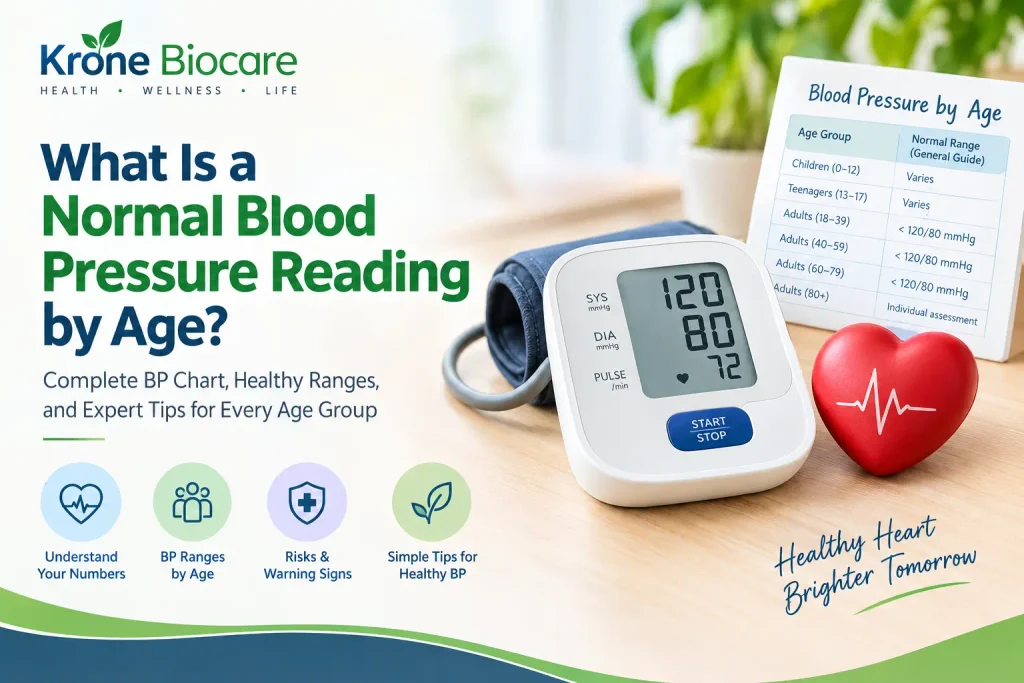
What Is Blood Pressure?
Blood pressure is the force exerted by circulating blood against the walls of your arteries. Your heart pumps blood throughout the body, delivering oxygen and essential nutrients to tissues and organs.
A blood pressure reading contains two numbers, such as 120/80 mmHg.
- Systolic blood pressure: The upper number, which measures the pressure in your arteries when your heart contracts and pumps blood.
- Diastolic blood pressure: The lower number, which measures the pressure in your arteries between heartbeats, when the heart relaxes.
The abbreviation mmHg stands for millimetres of mercury, the standard unit used to measure blood pressure.
Both numbers are important. A reading should not be considered healthy simply because one number falls within the normal range.
Normal Blood Pressure by Age: BP Chart
Blood pressure patterns can change throughout life. However, for adults, commonly used clinical categories classify normal blood pressure as below 120/80 mmHg.
The following table provides a general overview of blood pressure interpretation across different life stages. The adult categories shown later in this article are clinical classifications; the age groups below are not separate diagnostic thresholds.
| Age group | How to interpret blood pressure |
|---|---|
| Children under 13 | Normal ranges depend on age, sex, and height; a paediatric professional should interpret readings. |
| Teenagers aged 13–17 | Interpretation depends on the applicable clinical guideline; adult-style thresholds may be used in some settings. |
| Adults aged 18–39 | Below 120/80 mmHg is generally considered normal. |
| Adults aged 40–59 | Below 120/80 mmHg remains the general adult normal category. |
| Adults aged 60–79 | Adult BP categories still apply, but treatment goals may depend on health, frailty, and medication tolerance. |
| Adults aged 80 and above | Individual assessment is particularly important because other health conditions and the risk of dizziness or falls may affect treatment decisions. |
Important: Blood pressure naturally varies with activity, stress, sleep, medicines, and other factors. Older age does not automatically make high blood pressure normal or harmless. Your personal treatment target may differ from the general categories.
Understanding Blood Pressure Categories in Adults
The following categories are based on the American Heart Association and American College of Cardiology adult classification framework.
| Blood pressure category | Systolic (upper number) | Diastolic (lower number) |
|---|---|---|
| Normal | Below 120 | Below 80 |
| Elevated | 120–129 | Below 80 |
| Stage 1 hypertension | 130–139 | 80–89 |
| Stage 2 hypertension | 140 or higher | 90 or higher |
| Severely high blood pressure | Above 180 and/or | Above 120 |
When the upper and lower numbers fall into different categories, the higher category generally determines the classification. A healthcare professional should confirm a diagnosis using appropriately taken readings, usually across more than one occasion.
These categories are useful for understanding risk, but clinical guidance can differ between countries and healthcare settings. A doctor can explain which thresholds and treatment goals apply to you.
Normal Blood Pressure in Your 20s and 30s
People in their 20s and 30s often assume that high blood pressure is a problem only for older adults. However, hypertension can develop at any age.
For adults in this age group, a reading below 120/80 mmHg is generally considered normal.
Factors that can affect blood pressure in younger adults include:
- Excess body weight
- High salt intake
- Physical inactivity
- Smoking or tobacco use
- Excessive alcohol consumption
- Chronic stress and insufficient sleep
- Family history of hypertension
- Certain medicines or underlying medical conditions
A healthy lifestyle can help reduce future cardiovascular risk. If your readings repeatedly fall into the elevated or high range, consult a healthcare professional rather than assuming that your age protects you.
Normal Blood Pressure in Your 40s and 50s
Blood pressure deserves particular attention during middle age. Changes in blood vessel flexibility, weight, physical activity, and metabolic health can contribute to increasing readings.
The general adult normal category remains below 120/80 mmHg. A reading of 130/85 mmHg, for example, falls within Stage 1 hypertension under the classification used in this article.
People in their 40s and 50s may also have other risk factors, including diabetes, high cholesterol, kidney disease, or a family history of heart disease.
Regular BP checks can help identify changes before complications develop. Your healthcare professional may also recommend monitoring blood glucose, cholesterol, weight, and other cardiovascular risk factors.
Normal Blood Pressure After Age 60
Blood pressure management becomes increasingly individualised in older adults.
Arteries may become less flexible with age, and systolic blood pressure can rise. Some older adults also experience a drop in blood pressure when standing, which can contribute to dizziness or falls.
Nevertheless, high blood pressure should not automatically be dismissed as a normal part of ageing.
A healthcare professional may consider several factors when setting a treatment target:
- Overall cardiovascular health
- Kidney function and diabetes status
- Other medical conditions
- Current medicines
- Dizziness, fainting, or fall risk
- Ability to tolerate treatment
Do not change or stop blood pressure medication simply because your readings appear normal. Your readings may be controlled because the medicine is working.
What Causes High Blood Pressure?
High blood pressure, also called hypertension, occurs when the force of blood against artery walls remains too high.
In many people, there is no single identifiable cause. However, several factors can increase the likelihood of developing hypertension.
1. High Salt Intake
Excess sodium can contribute to increased blood pressure, particularly in people who are salt-sensitive. Common sources include packaged snacks, pickles, papad, processed foods, instant meals, and heavily salted restaurant dishes.
Reducing excessive salt intake can be an important part of blood pressure management.
2. Excess Weight
Carrying excess body weight can increase the workload on the heart and contribute to high blood pressure. Gradual, sustainable weight management may improve cardiovascular health.
3. Lack of Physical Activity
Regular physical activity supports heart health and may help lower blood pressure. Long periods of sitting and a sedentary lifestyle can contribute to cardiovascular risk.
4. Stress and Poor Sleep
Stress may temporarily increase blood pressure. Persistent sleep problems can also be associated with hypertension. Managing stress and maintaining a consistent sleep schedule can support overall health.
5. Family History and Medical Conditions
Genetics can influence blood pressure risk. Kidney disease, diabetes, sleep apnoea, hormonal conditions, and certain medicines may also contribute.
If hypertension develops at a young age, appears suddenly, or becomes difficult to control, a doctor may investigate possible underlying causes.
What Are the Symptoms of High Blood Pressure?
High blood pressure often has no obvious symptoms. Many people feel completely normal even when their readings are consistently elevated.
That is why regular measurement is important.
Severely elevated blood pressure may occur with symptoms such as:
- Severe headache
- Chest pain
- Shortness of breath
- Changes in vision
- Weakness or numbness
- Difficulty speaking
- Confusion or other sudden neurological symptoms
These symptoms are not specific to hypertension, and their absence does not mean that blood pressure is healthy.
If a reading is above 180 systolic and/or above 120 diastolic, wait at least one minute and measure again. If it remains that high, contact a healthcare professional immediately. If you also experience chest pain, breathing difficulty, weakness, vision changes, or difficulty speaking, seek emergency medical care without delay.
What Is Low Blood Pressure?
Low blood pressure, or hypotension, is often described as a reading below 90/60 mmHg. However, this number alone does not necessarily indicate a medical problem.
Some people naturally have low readings without symptoms. Others may develop symptoms when their blood pressure drops suddenly or becomes too low for their needs.
Possible symptoms include:
- Dizziness or light-headedness
- Blurred vision
- Weakness or fatigue
- Nausea
- Fainting
- Confusion in severe cases
Dehydration, blood loss, certain medicines, and some heart or hormonal conditions can contribute to low blood pressure.
If low readings are accompanied by fainting, severe weakness, confusion, cold clammy skin, or signs of shock, seek urgent medical care. Recurrent dizziness should also be assessed by a healthcare professional.
How to Check Blood Pressure Correctly at Home
Home monitoring can help you understand your blood pressure patterns, but inaccurate technique can produce misleading results.
Follow these steps for a more reliable measurement:
- Avoid smoking, caffeine, and exercise for at least 30 minutes before measuring.
- Empty your bladder and sit quietly for about five minutes.
- Sit with your back supported and both feet flat on the floor.
- Rest your bare upper arm on a table at heart level.
- Use a validated automatic upper-arm monitor with a correctly sized cuff.
- Do not talk or use your phone while the measurement is being taken.
- Take two readings about one minute apart and record both.
- Follow your healthcare professional’s advice about how often and when to measure.
Taking readings at consistent times can help you identify trends. Bring your BP log and monitor to a medical appointment if possible.
A single reading does not usually establish a diagnosis. Your doctor may recommend repeated home measurements or ambulatory monitoring over 24 hours.
How to Maintain Healthy Blood Pressure Naturally
Healthy habits can help prevent hypertension and support treatment. They do not replace prescribed medication when medication is needed.
Eat a Heart-Healthy Diet
Choose a balanced diet rich in vegetables, fruits, whole grains, pulses, and other nutritious foods. Beans, lentils, oats, and unsalted nuts can be useful additions to many eating plans.
Reduce excess salt, highly processed foods, and foods high in saturated fat. People with kidney disease or certain medication regimens may need specific advice about potassium intake.
Stay Physically Active
Aim for around 150 minutes of moderate-intensity physical activity each week, if appropriate for your health. Brisk walking, cycling, swimming, and other enjoyable activities can support cardiovascular fitness.
Start gradually if you are inactive, and seek medical advice before starting strenuous exercise if you have significant symptoms or an existing medical condition.
Maintain a Healthy Weight
If you carry excess weight, even modest, sustained weight loss may help improve blood pressure and other cardiovascular risk factors.
Focus on long-term habits rather than crash diets or unproven weight-loss products.
Get Enough Sleep
Maintain a consistent sleep schedule and create a relaxing bedtime routine. If you snore loudly, wake up gasping, or feel excessively sleepy during the day, discuss possible sleep apnoea with your doctor.
Manage Stress
Breathing exercises, meditation, hobbies, and regular physical activity may help manage stress. These practices can complement medical care but should not be treated as a cure for hypertension.
Avoid Tobacco and Limit Alcohol
Smoking damages blood vessels and increases cardiovascular risk. Avoid tobacco products and seek support if you want to stop smoking.
Alcohol can raise blood pressure, especially with heavier consumption. Avoiding alcohol or reducing intake can support better health.
Take Prescribed Medicines as Directed
Some people need medication in addition to lifestyle changes. The right medicine and target depend on individual risk factors, other conditions, and treatment response.
Never adjust your dose or stop treatment without consulting your healthcare professional.
When Should You See a Doctor About Your Blood Pressure?
Arrange a medical assessment if your readings are repeatedly elevated, if you frequently experience dizziness or fainting, or if your blood pressure changes unexpectedly.
You should also discuss monitoring and treatment if you have diabetes, kidney disease, cardiovascular disease, or a strong family history of hypertension.
Seek emergency medical help for severely high blood pressure accompanied by warning symptoms such as chest pain, shortness of breath, sudden weakness, vision changes, or difficulty speaking.
Regular screening is important because hypertension may cause damage to the heart, brain, kidneys, and blood vessels without producing noticeable symptoms.
Frequently Asked Questions About Normal Blood Pressure by Age
1. What is the normal blood pressure for adults?
A commonly used adult classification defines normal blood pressure as below 120/80 mmHg. Individual treatment goals may differ according to medical history and clinical guidance.
2. Is 120/80 a normal blood pressure reading?
A reading of 120/80 mmHg is not classified as normal under the American Heart Association framework because the diastolic number is 80. It falls into Stage 1 hypertension under that classification. Other guidelines may use different thresholds, so discuss repeated readings with your doctor.
3. Is 140/90 blood pressure dangerous?
A repeated reading of 140/90 mmHg falls within Stage 2 hypertension under the classification used here. It deserves medical evaluation and may require treatment. The urgency depends on the full clinical situation and whether symptoms are present.
4. Does normal blood pressure change with age?
Blood pressure patterns often change with age, but high blood pressure should not be considered harmless simply because someone is older. The general adult normal category remains below 120/80 mmHg in the framework described in this article.
5. What is a dangerously high blood pressure reading?
A reading above 180 systolic and/or above 120 diastolic is severely high. If it persists after a repeat measurement, seek immediate professional guidance. If accompanied by chest pain, breathing difficulty, neurological symptoms, or vision changes, seek emergency care.
6. Can drinking water lower blood pressure?
Staying hydrated supports normal body function, especially when dehydration is present. However, drinking extra water is not a reliable treatment for hypertension. People with heart or kidney conditions may have fluid restrictions.
7. How often should I check my blood pressure?
The frequency depends on your readings, medical history, and whether you take medication. Your healthcare professional can recommend a schedule. If you have been asked to monitor at home, record readings consistently rather than relying on occasional measurements.
8. Can exercise help control high blood pressure?
Regular moderate physical activity can help lower blood pressure and improve cardiovascular health. However, exercise does not replace prescribed treatment, and people with concerning symptoms should obtain medical advice before strenuous activity.
Conclusion
Understanding normal blood pressure by age can help you recognise potentially unhealthy readings and make informed decisions about your health. For most adults, a reading below 120/80 mmHg is considered normal under the widely used classification described in this guide. However, a person’s overall health, symptoms, medications, and individual treatment goals also matter.
Regular monitoring, a balanced diet, physical activity, sufficient sleep, stress management, and appropriate medical care all contribute to better cardiovascular health. If your readings are consistently high or low, consult a qualified healthcare professional for personalised advice.
About Krone Biocare
Krone Biocare is a WHO-GMP Certified pharmaceutical, nutraceutical, and Ayurvedic third-party manufacturing company focused on supporting healthcare brands with manufacturing solutions. Through its product development and manufacturing capabilities, the company aims to support businesses seeking quality-oriented pharmaceutical and wellness products.
For more educational information on health, nutrition, and wellness, explore the Krone Biocare blog.
Medical disclaimer: This article is intended for general educational purposes only and is not a substitute for professional medical advice, diagnosis, or treatment. Blood pressure categories and treatment recommendations may vary by guideline and individual circumstances. Always consult a qualified healthcare professional for personal medical decisions.