
Joint Pain: 10 Common Causes, Symptoms and Natural Relief Tips
Joint pain is a common health concern that can affect people of different ages. It may develop gradually or appear suddenly after an injury, infection, or inflammatory condition. Whether you experience knee pain while climbing stairs, stiffness in your fingers after waking up, or discomfort in your shoulders during everyday activities, joint pain can interfere with your mobility and quality of life.
Joints connect two or more bones and allow the body to move. They are supported by cartilage, ligaments, tendons, muscles, and other tissues that help maintain stability and flexibility. When these structures become irritated, injured, inflamed, or damaged, you may experience pain, swelling, tenderness, or restricted movement.
The causes of joint pain vary considerably. Osteoarthritis, rheumatoid arthritis, gout, injuries, and repetitive strain are some common possibilities. In certain cases, joint discomfort may also be associated with infections or other medical conditions.
Understanding the underlying cause is important because the most effective treatment depends on the condition responsible for the symptoms.
In this guide, we explore 10 common causes of joint pain, their symptoms, practical natural relief tips, and ways to support long-term joint health. You will also learn when joint pain requires medical attention.
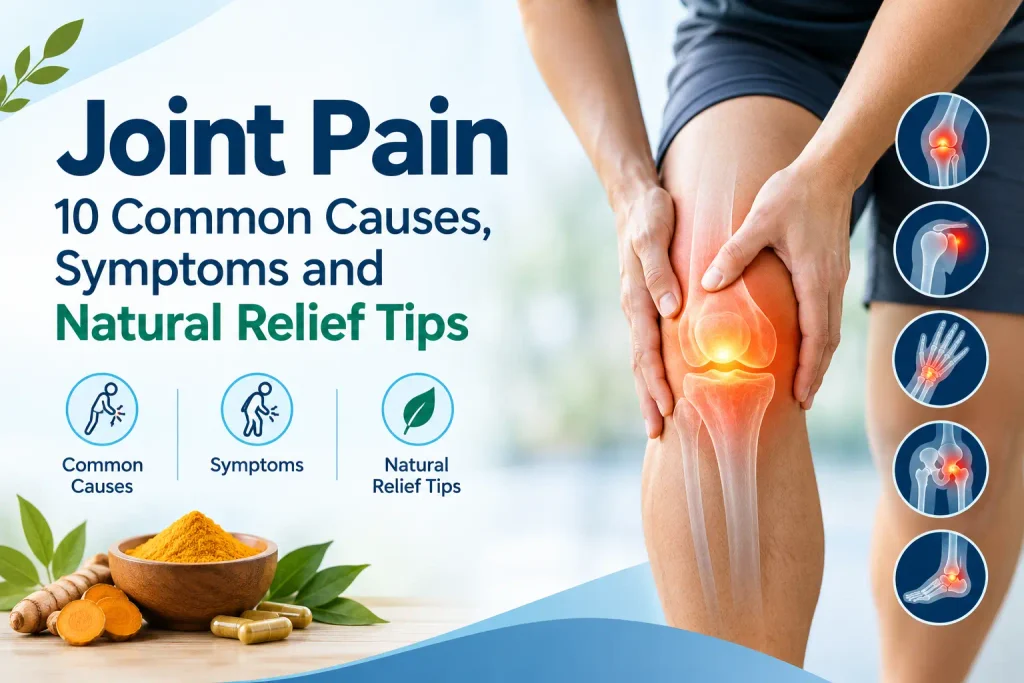
What Is Joint Pain?
Joint pain refers to discomfort, aching, soreness, or tenderness in or around a joint. It may affect one joint or several joints at the same time.
The knees, hips, shoulders, wrists, ankles, and fingers are common areas where people experience joint pain. Some people notice symptoms mainly during physical activity, while others experience stiffness after resting or discomfort even when the joint is not moving.
Common symptoms associated with joint pain include:
- Aching or sharp pain in or around a joint.
- Swelling and tenderness.
- Stiffness after waking up or sitting for a long time.
- Reduced flexibility or range of motion.
- Warmth or redness around an affected joint.
- Difficulty walking, lifting objects, or performing everyday tasks.
These symptoms can occur for different reasons. Persistent pain, unexplained swelling, or worsening stiffness should be evaluated by a qualified healthcare professional.
10 Common Causes of Joint Pain
1. Osteoarthritis
Osteoarthritis is one of the most common causes of joint pain, especially among older adults. It develops when the tissues within a joint undergo progressive changes, including the breakdown of cartilage that normally helps bones move smoothly.
Although osteoarthritis is often associated with ageing, it can also affect younger people, particularly those with previous joint injuries or other risk factors.
Common symptoms of osteoarthritis include:
- Pain during movement or physical activity.
- Stiffness after resting.
- Swelling or tenderness.
- Reduced joint flexibility.
- A grinding or clicking sensation during movement.
The knees, hips, hands, and spine are frequently affected.
What may help?
Appropriate exercise, physical therapy, and weight management when needed can help improve mobility and reduce stress on weight-bearing joints. A healthcare professional may also recommend medication or other treatments based on the severity of the condition.
2. Rheumatoid Arthritis
Rheumatoid arthritis is an autoimmune disease in which the immune system mistakenly attacks the lining of the joints. This causes inflammation and may gradually damage joint structures if the condition is not adequately treated.
Unlike ordinary soreness following exercise, rheumatoid arthritis often causes persistent swelling, pain, and stiffness.
Possible symptoms include:
- Pain and swelling in multiple joints.
- Prolonged morning stiffness.
- Similar joints affected on both sides of the body.
- Fatigue and general discomfort.
- Difficulty using the hands or walking comfortably.
Rheumatoid arthritis can develop at different ages and should not be dismissed as a normal part of ageing.
What may help?
Early medical assessment is important. Disease-modifying medicines can help control inflammation and reduce the risk of permanent joint damage. Gentle exercise and physical therapy may also support joint function.
Natural remedies should not replace prescribed treatment for rheumatoid arthritis.
3. Gout
Gout is an inflammatory form of arthritis caused by urate crystals accumulating in and around joints. These crystals can trigger sudden episodes of intense pain and inflammation.
Gout frequently affects the big toe, but it may also involve the ankles, knees, wrists, and other joints.
Common symptoms include:
- Sudden, severe joint pain.
- Redness and swelling.
- Warmth around the affected area.
- Extreme tenderness.
- Difficulty moving or touching the joint.
Gout attacks can begin unexpectedly, sometimes during the night.
What may help?
A healthcare professional can confirm the diagnosis and recommend treatment to manage inflammation. Long-term treatment may be needed to control uric acid levels and prevent further attacks.
Staying hydrated and following an appropriate dietary plan may support management, but these measures do not replace medical treatment when it is needed.
A first episode of severe joint pain, particularly with warmth and swelling, requires prompt assessment because joint infection can produce similar symptoms.
4. Joint Injuries
Joint injuries can occur during sports, exercise, falls, accidents, or sudden twisting movements. They may affect ligaments, cartilage, tendons, or the bones around a joint.
For example, twisting the knee during a sporting activity can injure a ligament or cartilage. A fall may cause a shoulder injury or fracture.
Symptoms may include:
- Sudden pain following an accident.
- Swelling or bruising.
- Tenderness around the joint.
- Difficulty moving the affected area.
- Instability or difficulty bearing weight.
What may help?
Protect the injured area and stop activities that worsen the pain. A cold pack wrapped in a towel may help with swelling after a recent injury.
Seek urgent medical care if the joint appears deformed, pain is severe, you cannot bear weight, or movement is significantly restricted. Do not attempt to force an injured joint back into position.
5. Bursitis
Bursae are small, fluid-filled sacs that cushion tissues around joints. Bursitis occurs when one of these sacs becomes irritated or inflamed.
It commonly affects the shoulder, elbow, hip, and knee. Repetitive movements, prolonged pressure, and injuries may contribute to the condition.
Common symptoms include:
- Localised joint pain.
- Tenderness when pressure is applied.
- Swelling around the affected area.
- Discomfort during certain movements.
- Pain that worsens with repeated activity.
What may help?
Temporarily reducing activities that aggravate the area may help relieve symptoms. A healthcare professional can determine whether physical therapy, medication, or other treatment is appropriate.
A hot, swollen joint should not automatically be assumed to be bursitis, as infection may require urgent treatment.
6. Tendinitis
Tendinitis is irritation or inflammation of a tendon, the tissue connecting a muscle to a bone. Although tendinitis does not always originate inside the joint itself, it can cause significant pain around the affected area.
It commonly affects the shoulders, elbows, wrists, knees, and heels.
Possible symptoms include:
- Pain during movement.
- Tenderness around the joint.
- Discomfort when using the affected muscle.
- Mild swelling.
- Reduced comfort during repetitive activities.
What may help?
Reducing the activity that triggers symptoms and gradually returning to movement may help. Persistent pain may require medical evaluation and a tailored rehabilitation programme.
Avoid suddenly increasing exercise intensity, particularly if you have recently experienced tendon pain.
7. Repetitive Strain and Overuse
Repeated movements can place stress on joints and the surrounding tissues. This may occur during sports, manual work, prolonged computer use, or activities that involve repetitive lifting and bending.
Overuse-related discomfort can develop when physical activity increases faster than the body can adapt.
Common symptoms include:
- Pain after repeated activity.
- Stiffness or tenderness.
- Discomfort during particular movements.
- Symptoms that improve with reduced activity.
- Recurring pain when the same activity resumes.
What may help?
Take regular breaks, improve movement techniques, and gradually increase exercise intensity. Strengthening the muscles that support joints may also improve function.
If the pain keeps returning or interferes with everyday activities, seek professional advice to rule out an underlying injury or joint condition.
8. Viral Illnesses and Joint Infections
Certain viral illnesses can cause temporary joint pain and body aches. The discomfort may occur alongside fatigue, fever, or other symptoms of infection.
A joint infection, however, is a potentially serious condition. It may cause intense pain, swelling, warmth, redness, and difficulty moving the affected joint.
What should you know?
Joint pain during a viral illness may improve as the illness resolves. However, a joint that suddenly becomes extremely painful, hot, or swollen requires urgent medical assessment, particularly if you also have a fever or feel seriously unwell.
Septic arthritis, an infection within a joint, can damage joint structures quickly and may require emergency treatment.
9. Age-Related Changes and Reduced Muscle Strength
Age-related changes can affect cartilage, muscles, tendons, and other tissues involved in movement. Reduced muscle strength and flexibility may also make everyday activities more challenging.
However, not all joint pain in older adults is caused by ageing. Arthritis, injuries, inflammatory diseases, and other conditions may also be responsible.
Possible symptoms include:
- Stiffness after sitting.
- Reduced flexibility.
- Discomfort during walking or climbing stairs.
- Difficulty with certain movements.
- Reduced confidence during physical activity.
What may help?
Suitable strength training, balance exercises, regular movement, and appropriate physical therapy can help maintain mobility.
If joint pain becomes persistent or progressively worse, a medical evaluation can help identify the cause and determine the right treatment.
10. Other Medical Conditions and Nutritional Deficiencies
Some medical conditions can contribute to musculoskeletal discomfort, weakness, or symptoms that resemble joint pain.
For example, vitamin D deficiency can affect bone and muscle health, while vitamin B12 deficiency may cause neurological symptoms such as tingling or numbness. Thyroid disorders and certain metabolic conditions can also contribute to musculoskeletal symptoms.
However, these problems should not automatically be assumed to be the cause of joint pain.
What may help?
A healthcare professional can review your symptoms, medical history, and diet to decide whether any tests are appropriate. Nutritional supplements should be used when needed and at suitable doses.
Avoid taking high-dose vitamins or minerals without professional guidance, as excessive intake can cause harm.
7 Natural Relief Tips for Joint Pain
Natural approaches may help support joint comfort and mobility, depending on the underlying condition. They are not a substitute for appropriate treatment when joint pain results from a serious injury, infection, or inflammatory disease.
1. Stay Physically Active
Regular, suitable movement helps maintain flexibility, muscle strength, balance, and joint function.
Low-impact activities such as walking, swimming, water-based exercise, and cycling may be suitable for some people with joint discomfort.
Start gradually and adjust your routine according to your symptoms. Stop exercising and seek advice if you develop significant pain or swelling.
2. Maintain a Healthy Weight
Excess body weight can increase the load on weight-bearing joints, especially the knees and hips.
For people who are overweight, gradual weight management may reduce mechanical stress on these joints and support mobility.
A sustainable approach that combines balanced eating, appropriate physical activity, and adequate sleep is generally more practical than restrictive diets.
3. Eat a Balanced, Nutrient-Rich Diet
Good nutrition supports muscles, bones, and overall health. Include a variety of vegetables, fruits, whole grains, protein-rich foods, nuts, and seeds.
Appropriate sources of calcium and vitamin D are important for bone health. Fatty fish, walnuts, and flaxseeds provide omega-3 fatty acids as part of a balanced diet.
No single food can cure arthritis or restore damaged cartilage. Dietary changes should complement, rather than replace, appropriate medical care.
4. Try Hot or Cold Therapy
Heat may provide temporary comfort for stiffness, while cold packs may help reduce discomfort and swelling after certain injuries.
Always wrap hot or cold packs in a cloth and avoid prolonged application. People with reduced skin sensation or circulation problems should seek professional advice before using these methods.
5. Improve Posture and Joint Protection
Avoid staying in one position for long periods. Take movement breaks during desk work and use appropriate techniques when lifting objects.
Supportive footwear and adjustments to repetitive activities may also help reduce unnecessary stress on certain joints.
6. Prioritise Sleep and Recovery
Adequate sleep supports general wellbeing and helps the body recover from everyday physical demands.
If joint pain interrupts your sleep, consider discussing the problem with a healthcare professional, especially if pain is persistent or worsening.
7. Discuss Supplements and Herbal Products Carefully
Some people explore herbal ingredients or dietary supplements for joint health. Ingredients such as turmeric and boswellia have been studied for their potential effects on inflammation and joint symptoms, but evidence varies by ingredient, preparation, and condition.
Supplements can interact with medicines and may not be suitable for everyone. Check product quality, follow appropriate directions, and discuss use with a qualified healthcare professional.
Do not discontinue prescribed arthritis treatment in favour of a supplement.
Can Ayurvedic Ingredients Help Support Joint Health?
Ayurveda includes traditional approaches to supporting general wellbeing and joint comfort. Certain herbal ingredients, including turmeric and boswellia, have been investigated for potential benefits in some inflammatory conditions.
However, traditional use does not establish that every formulation is effective or safe. The evidence depends on the ingredient, preparation, dosage, and condition being treated.
Before choosing an Ayurvedic product, consider the following:
- Check the complete ingredient list.
- Choose products from reputable manufacturers.
- Review applicable quality standards and regulatory requirements.
- Discuss potential interactions with a healthcare professional.
- Avoid products that promise guaranteed cures or immediate results.
- Continue prescribed treatment unless your clinician advises otherwise.
Krone Biocare operates in pharmaceutical, nutraceutical, and Ayurvedic manufacturing. For businesses interested in developing health and wellness products, evaluating manufacturing quality, formulation suitability, documentation, and regulatory compliance is an important part of choosing a manufacturing partner.
When Should You See a Doctor for Joint Pain?
Mild discomfort after exercise may improve with suitable rest and activity modification. However, persistent or unexplained symptoms should not be ignored.
Seek urgent medical care if you experience:
- Sudden, severe joint pain.
- A hot, red, or significantly swollen joint, especially with fever.
- Severe pain after an accident or injury.
- A visibly deformed joint.
- Inability to move a joint or bear weight after an injury.
- Joint symptoms accompanied by feeling seriously unwell.
Arrange a medical appointment if pain repeatedly returns, persists without improvement, causes prolonged morning stiffness, or interferes with sleep and everyday activities.
A clinician may examine the affected area and recommend blood tests, X-rays, or other investigations when appropriate. Identifying the underlying cause helps determine the most suitable treatment.
Frequently Asked Questions About Joint Pain
1. What is the most common cause of joint pain?
Osteoarthritis is a common cause of joint pain, particularly in older adults. However, injuries, gout, rheumatoid arthritis, overuse, and other conditions can also cause joint discomfort.
2. Why do my joints hurt when I wake up?
Morning joint pain can be associated with osteoarthritis, inflammatory arthritis, or stiffness following inactivity. Prolonged morning stiffness, persistent swelling, or recurring symptoms should be assessed by a healthcare professional.
3. Can joint pain be caused by vitamin deficiency?
Some nutritional deficiencies can affect bone, muscle, or nerve health. However, joint pain has many possible causes. Testing and supplementation should be based on symptoms and professional assessment.
4. What foods are good for joint health?
A balanced diet containing vegetables, fruits, whole grains, protein-rich foods, nuts, seeds, and appropriate sources of calcium and vitamin D supports general health. No specific food guarantees relief from joint pain.
5. Does walking help joint pain?
Suitable walking can help maintain mobility and strengthen supporting muscles. Start at a comfortable pace and modify activity if pain increases. Some injuries and acute conditions require assessment before exercise.
6. Can joint pain go away naturally?
Mild discomfort caused by temporary overuse may improve with appropriate rest and gradual return to activity. Persistent pain caused by arthritis, gout, or other medical conditions may require specific treatment.
7. Are Ayurvedic products effective for joint pain?
Some herbal ingredients have been studied for joint symptoms, but the quality of evidence varies. Safety, product quality, dosage, and possible medicine interactions should be considered before use.
8. When is joint pain an emergency?
Sudden severe pain, a hot and swollen joint, fever accompanying joint symptoms, or a major injury may require urgent medical care. Prompt assessment is important to rule out serious conditions such as joint infection.
Conclusion
Joint pain can affect mobility, sleep, exercise, and everyday activities. Common causes include osteoarthritis, rheumatoid arthritis, gout, injuries, bursitis, tendinitis, repetitive strain, infections, age-related changes, and other medical conditions.
The best approach depends on identifying the underlying cause. Suitable physical activity, balanced nutrition, healthy weight management, adequate recovery, and appropriate medical guidance can help support joint health.
Although natural relief strategies may provide comfort in some situations, they should not replace necessary medical treatment. Persistent pain, unexplained swelling, or prolonged stiffness deserves professional assessment, while sudden severe pain or a hot, swollen joint requires urgent attention.
Arthritis is one of the common conditions associated with joint pain, stiffness, and reduced mobility. Understanding its different types can help readers learn more about joint health and available treatment options. For reliable medical information, read the National Institute of Arthritis and Musculoskeletal and Skin Diseases guide to arthritis and its symptoms.
About Krone Biocare: Krone Biocare is involved in pharmaceutical, nutraceutical, and Ayurvedic manufacturing, supporting businesses seeking manufacturing and product-development solutions.
Medical Disclaimer: This article is for educational purposes only and does not replace professional medical advice, diagnosis, or treatment. Consult a qualified healthcare professional about persistent joint pain or concerning symptoms.
Read Article : Why Do My Joints Hurt? 10 Causes and Relief Tips