
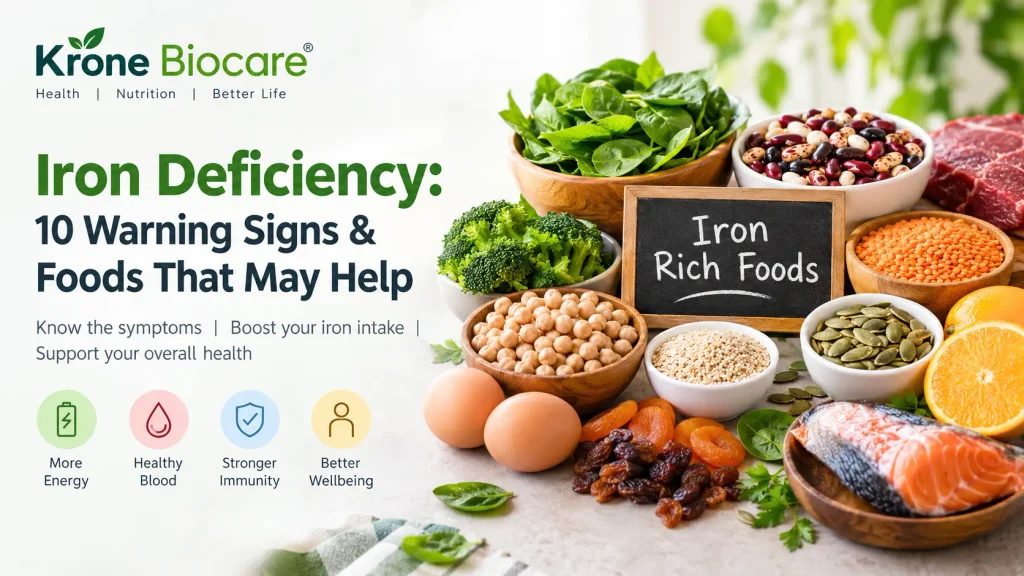
Iron Deficiency: 10 Warning Signs and Foods That May Help
Iron is an essential mineral that helps your body produce hemoglobin, a protein in red blood cells that carries oxygen from your lungs to the rest of your body. Your muscles, brain, and other organs depend on an adequate supply of oxygen to function properly.
When your body does not get enough iron, iron stores can gradually become depleted. If the deficiency continues, it may lead to iron-deficiency anemia, a condition in which your body cannot produce enough healthy, oxygen-carrying red blood cells.
Iron deficiency is a common nutritional concern, particularly among women with heavy menstrual periods, pregnant women, growing children, and people who follow diets that contain insufficient iron.
Recognizing the warning signs early can help you seek appropriate medical advice and make informed dietary choices.
In this guide, we explore 10 warning signs of iron deficiency, foods that may help improve iron intake, common causes, prevention tips, and when to consult a healthcare professional.
What Is Iron Deficiency?
Iron deficiency occurs when the amount of iron stored in your body becomes too low to meet its needs. Iron plays an important role in producing hemoglobin, which enables red blood cells to transport oxygen throughout the body.
Iron deficiency can develop before anemia appears. In the early stages, your iron stores may be low even though your hemoglobin level remains within the normal range. As the deficiency progresses, hemoglobin production may decline, resulting in iron-deficiency anemia.
Symptoms vary from person to person. Some individuals experience persistent tiredness and weakness, while others may have few noticeable symptoms until the deficiency becomes more severe.
According to the NHS, common symptoms of iron-deficiency anemia include fatigue, shortness of breath, pale skin, headaches, and noticeable heartbeats.
10 Warning Signs of Iron Deficiency You Should Know
The following symptoms may be associated with low iron levels. However, they can also occur because of other health conditions. Having one or more symptoms does not automatically mean you have iron deficiency.
1. Constant Tiredness and Low Energy
Persistent tiredness is one of the most commonly reported symptoms of iron-deficiency anemia.
When iron levels are insufficient to support normal hemoglobin production, your blood may carry less oxygen to your tissues. This can make everyday activities feel more demanding than usual.
You may notice that you feel exhausted after routine tasks, struggle to maintain your usual activity level, or continue feeling tired despite getting adequate sleep.
Although fatigue can be associated with iron deficiency, it may also result from poor sleep, stress, thyroid disorders, vitamin deficiencies, or other medical conditions.
What may help: Include iron-rich foods such as lentils, chickpeas, beans, tofu, leafy vegetables, and iron-fortified cereals in a balanced diet. If tiredness persists, consult a healthcare professional rather than assuming that low iron is the cause.
2. Pale Skin or Pale Inner Eyelids
Some people with iron-deficiency anemia notice that their skin looks paler than usual. The inner surface of the lower eyelids, gums, or nail beds may also appear less pink.
This can happen because reduced hemoglobin levels affect the normal red color of blood.
However, skin tone varies naturally, and lighting can influence how your skin appears. Pale skin alone is not a reliable way to diagnose iron deficiency.
What may help: If you notice unusual paleness along with fatigue, dizziness, or weakness, arrange a medical assessment. A blood test can help determine whether anemia is present.
3. Shortness of Breath During Physical Activity
Do you become unusually breathless while climbing stairs, walking quickly, or performing routine activities?
Iron-deficiency anemia can reduce the amount of oxygen your blood delivers to your muscles. Your body may compensate by increasing breathing and heart rate, particularly during physical exertion.
Mild breathlessness may be overlooked, especially if it develops gradually.
However, shortness of breath has many possible causes, including heart and lung conditions.
What may help: Seek medical advice if breathlessness is new, persistent, or occurs during activities that were previously comfortable. Severe or sudden breathing difficulty requires emergency medical attention.
4. Dizziness or Frequent Headaches
Low iron levels, particularly when they lead to anemia, may be associated with headaches, lightheadedness, and dizziness.
Some people experience difficulty concentrating or feel faint when standing up. These symptoms can affect daily routines and make work or exercise more difficult.
Nevertheless, headaches and dizziness are not specific to iron deficiency. Dehydration, low blood pressure, migraines, and several other conditions can cause similar problems.
What may help: Maintain adequate hydration and eat balanced meals, but do not rely on dietary changes alone if symptoms continue. A healthcare professional can determine whether blood tests or further evaluation are needed.
5. Rapid Heartbeat or Noticeable Heart Palpitations
Have you noticed that your heart sometimes beats faster than usual or feels as though it is pounding?
When anemia reduces the blood’s oxygen-carrying capacity, the heart may work harder to deliver enough oxygen to the body’s tissues. This can lead to noticeable heartbeats or a faster pulse.
Palpitations can also result from anxiety, caffeine, medication effects, abnormal heart rhythms, or other medical conditions.
What may help: Seek medical advice if palpitations are new or recurring, especially when accompanied by fatigue or breathlessness. Palpitations with chest pain, fainting, or severe shortness of breath require emergency care.
6. Brittle Nails or Spoon-Shaped Nails
Nails can sometimes provide clues about nutritional or medical problems.
Iron deficiency may be associated with brittle nails that break easily. In more pronounced cases, the nails may become thin and develop a concave, spoon-like appearance, a condition known as koilonychia.
However, brittle nails can also result from repeated exposure to water, chemical products, trauma, or other health conditions.
What may help: Include a variety of nutrient-rich foods in your diet and seek medical evaluation if nail changes persist, particularly when accompanied by other symptoms of iron deficiency.
7. Hair Loss or Increased Hair Shedding
Noticing more hair than usual in your brush or shower can be worrying.
Low iron stores have been associated with certain types of hair shedding, although the relationship is complex and not every person experiencing hair loss has iron deficiency.
Hair loss may also be related to genetics, hormonal changes, thyroid problems, recent illness, stress, or insufficient protein intake.
What may help: If hair shedding is persistent or unusually heavy, consult a healthcare professional or dermatologist. They can assess possible causes and recommend appropriate tests when necessary.
Avoid taking iron supplements solely for hair growth unless a deficiency has been identified or a clinician recommends treatment.
8. Cravings for Ice or Non-Food Substances
An unusual craving to chew ice or consume non-food substances can sometimes be associated with iron deficiency.
This condition is called pica. Examples include repeatedly craving ice, paper, soil, or other substances that are not intended to be eaten.
Pagophagia is the term used for a craving to chew ice.
These cravings are worth discussing with a healthcare professional because they may indicate an underlying nutritional deficiency or another health concern.
What may help: Seek medical assessment if you develop persistent cravings for ice or non-food substances. Do not eat soil, paper, or other potentially contaminated materials, as they may cause harm.
9. Sore Tongue or Cracks at the Corners of the Mouth
Iron deficiency may sometimes cause changes inside the mouth.
Possible symptoms include a sore or inflamed tongue, discomfort when eating, or cracks and painful sores at the corners of the mouth.
These symptoms may make eating uncomfortable and can affect your daily routine.
However, similar changes may occur with vitamin B12 or folate deficiency, oral infections, irritation, and other medical conditions.
What may help: If mouth soreness or cracks persist, seek medical advice to identify the cause. Treatment depends on the underlying problem rather than the symptom alone.
10. Difficulty Concentrating or Restless Legs
Iron deficiency can sometimes affect concentration, mental energy, and sleep quality.
Some people experience restless legs syndrome, which causes an uncomfortable urge to move the legs, often while resting or at night. Low iron stores are associated with this condition in some individuals.
Difficulty concentrating can also result from insufficient sleep, stress, anxiety, or other medical problems.
What may help: Discuss persistent concentration difficulties, sleep disturbances, or restless legs with a healthcare professional. They can decide whether iron studies and other investigations are appropriate.
12 Iron-Rich Foods That May Help Improve Your Iron Intake
A balanced diet can help maintain healthy iron intake and may support the management of iron deficiency when diet is a contributing factor.
There are two main forms of dietary iron:
- Heme iron: Found in meat, poultry, and seafood. The body generally absorbs this form more efficiently.
- Non-heme iron: Found in plant foods and fortified foods. Its absorption varies and can be improved by combining it with vitamin C-rich foods.
Here are 12 foods and food groups worth including in your meals.
1. Lentils (Dal)
Lentils are an accessible source of non-heme iron, plant-based protein, and fiber.
Popular Indian options include masoor dal, moong dal, and other varieties of lentils.
How to include them: Prepare dal with your regular meals or add lentils to soups, vegetable dishes, and salads.
2. Chickpeas (Chana)
Chickpeas provide iron, protein, fiber, and several other nutrients.
They can be a useful option for people following vegetarian or vegan diets.
How to include them: Try chana masala, roasted chickpeas, hummus, or chickpeas added to salads.
3. Beans and Kidney Beans (Rajma)
Beans, including kidney beans, contain non-heme iron and plant-based protein.
They can contribute to a varied diet, especially when paired with vegetables that contain vitamin C.
How to include them: Prepare rajma, mixed-bean salads, or bean-based soups.
4. Spinach and Other Dark Green Leafy Vegetables
Spinach and other leafy vegetables provide iron alongside folate, fiber, and other micronutrients.
However, the iron in plant foods is not absorbed as efficiently as heme iron, and spinach also contains compounds that can reduce iron absorption.
How to include them: Add leafy vegetables to dal, curries, soups, and other balanced meals.
5. Sesame Seeds (Til)
Sesame seeds contain iron, healthy fats, and other minerals.
Although they can contribute to your overall iron intake, the amount absorbed depends on the food combination and your body’s needs.
How to include them: Sprinkle sesame seeds over vegetables or include them in suitable chutneys and homemade dishes.
6. Pumpkin Seeds
Pumpkin seeds provide iron, protein, magnesium, and unsaturated fats.
They are easy to add to snacks and meals, although portion sizes matter because seeds are energy-dense.
How to include them: Add a small portion to porridge, salads, or homemade trail mixes.
7. Soybeans and Tofu
Soybeans and tofu are useful sources of plant-based protein, and they can contribute meaningful amounts of iron.
They are particularly helpful for people who do not consume meat or fish.
How to include them: Add tofu to vegetable stir-fries, curries, or salads, or include soybeans in other meals.
8. Iron-Fortified Breakfast Cereals
Some breakfast cereals and grain products contain added iron.
Their iron content varies considerably, so check the nutrition label before choosing a product.
How to include them: Select a suitable fortified cereal and combine it with fruit that contains vitamin C.
9. Meat and Poultry
Meat and poultry provide protein, and many varieties contain heme iron.
Lean meat and poultry can be included as part of a balanced eating pattern for people who consume animal products.
How to include them: Choose suitable portions of lean meat or poultry and combine them with vegetables and whole grains.
10. Fish and Seafood
Fish and certain seafood provide iron, protein, and other nutrients. The amount of iron varies by species.
Seafood may be particularly useful in a varied diet that includes different protein sources.
How to include them: Add suitable fish or seafood to balanced meals, following local food-safety advice.
11. Dried Apricots and Raisins
Dried fruits contain some iron, along with fiber and other nutrients.
They can complement other iron-containing foods, but they should not be considered a stand-alone treatment for iron deficiency.
How to include them: Add a modest portion to porridge, snacks, or homemade trail mixes.
12. Eggs
Eggs provide protein and several essential nutrients, along with some iron.
Their iron content and absorption differ from those of meat, so eggs are best viewed as one component of a varied diet rather than a primary solution to a confirmed deficiency.
How to include them: Prepare boiled eggs, omelets, or other egg dishes alongside vegetables and whole grains.
How to Improve Iron Absorption Naturally
Choosing iron-rich foods is important, but the way you combine foods can also influence how much iron your body absorbs.
Pair Iron-Rich Foods With Vitamin C
Vitamin C helps the body absorb non-heme iron from plant foods.
Consider combining meals containing lentils, beans, tofu, or leafy vegetables with foods such as:
- Oranges and other citrus fruits
- Guava
- Amla
- Tomatoes
- Bell peppers
- Broccoli
- Strawberries
For example, you could pair dal with a tomato-based vegetable dish or enjoy a vitamin C-rich fruit with a meal containing beans.
Be Mindful of Tea and Coffee
Tea and coffee contain compounds that can reduce the absorption of non-heme iron when consumed with meals.
If you have low iron levels, consider drinking them between meals rather than alongside your main iron-rich meals. Ask your healthcare professional for individualized advice if you are receiving treatment for iron deficiency.
Eat a Varied and Balanced Diet
Do not rely on a single food to meet all your nutritional needs.
Combine legumes, vegetables, fortified grains, nuts, seeds, and suitable animal-based foods, if you eat them. This approach supports a broader range of nutritional requirements.
Common Causes of Iron Deficiency
Iron deficiency can develop for several reasons, and identifying the underlying cause is an important part of treatment.
Common causes include:
1. Heavy menstrual bleeding: People who have heavy or prolonged periods may lose more iron than their bodies can replace.
2. Pregnancy: Iron requirements increase during pregnancy to support maternal health and fetal development.
3. Low dietary iron intake: Diets that contain insufficient iron-rich foods may contribute to deficiency.
4. Poor iron absorption: Conditions affecting the digestive system, including celiac disease and certain inflammatory bowel diseases, may interfere with iron absorption.
5. Blood loss from the digestive tract: Gastrointestinal bleeding, ulcers, and other conditions can cause iron loss.
6. Frequent blood donation: Repeated blood donation can reduce iron stores in some individuals.
7. Increased nutritional needs: Children and adolescents may have increased iron requirements during periods of rapid growth.
A healthcare professional can help determine which factors may be contributing to low iron levels.
How Is Iron Deficiency Diagnosed?
Symptoms alone cannot confirm iron deficiency. A healthcare professional may recommend blood tests based on your symptoms, medical history, and risk factors.
Common investigations include:
- Complete blood count (CBC): Measures hemoglobin and other blood-cell characteristics to help identify anemia.
- Serum ferritin: Helps assess the body’s stored iron. Ferritin can also rise with inflammation, so results need to be interpreted in context.
- Other iron studies: Tests such as transferrin saturation may be useful when additional information about iron availability is needed.
Depending on your circumstances, further tests may be necessary to investigate blood loss, absorption problems, or other causes.
If iron deficiency is confirmed, treatment will depend on its severity and the underlying cause.
Can Iron Supplements Help?
Iron supplements may be recommended when blood tests confirm iron deficiency or iron-deficiency anemia.
The appropriate product, dose, and duration depend on factors such as age, pregnancy status, laboratory results, tolerance, and the cause of the deficiency.
Possible side effects include nausea, abdominal discomfort, constipation, and diarrhea.
Do not start high-dose iron supplements without medical guidance. Excess iron can be harmful, and supplements can be dangerous to children if accidentally swallowed.
Dietary changes can support treatment, but they may not be sufficient to correct established iron-deficiency anemia. Follow your healthcare professional’s recommendations and attend any advised follow-up blood tests.
When Should You See a Doctor?
Arrange a medical appointment if you experience persistent fatigue, unexplained weakness, recurring dizziness, unusual paleness, hair shedding alongside other symptoms, or reduced exercise tolerance.
Seek prompt medical advice if you have heavy menstrual bleeding or suspect ongoing blood loss.
Blood in the stool, black tarry stools that are not explained by medication or supplements, and unexplained bleeding require urgent medical assessment. Severe breathlessness, chest pain, fainting, or significant palpitations accompanied by other concerning symptoms require emergency care.
Early assessment can help identify the cause and prevent an underlying condition from being overlooked.
Frequently Asked Questions About Iron Deficiency
1. What are the first signs of iron deficiency?
Early signs may include tiredness, reduced energy, headaches, difficulty concentrating, and reduced exercise tolerance. Some people have no noticeable symptoms initially. Blood tests are needed to confirm whether iron deficiency is present.
2. Which foods are highest in iron?
Iron-containing foods include meat, seafood, lentils, beans, chickpeas, tofu, iron-fortified cereals, seeds, and dark green leafy vegetables. The amount of iron and how well it is absorbed vary by food.
3. Can iron deficiency cause hair loss?
Iron deficiency has been associated with some forms of hair shedding, but hair loss has many possible causes. A healthcare professional can assess whether iron testing or other investigations are appropriate.
4. How can I increase iron levels naturally?
Include a variety of iron-rich foods in your diet and pair plant-based iron sources with vitamin C-rich foods. If you have confirmed iron-deficiency anemia, dietary changes alone may not be enough, and medical treatment may be necessary.
5. Does vitamin C help iron absorption?
Yes. Vitamin C can improve the absorption of non-heme iron found in plant foods. Citrus fruits, guava, amla, tomatoes, and bell peppers are useful options.
6. Can iron deficiency occur without anemia?
Yes. Iron stores may become depleted before hemoglobin levels fall enough to meet the criteria for anemia. A healthcare professional may use ferritin and other tests to evaluate iron status.
7. How long does it take to correct iron deficiency?
The timeline depends on the severity of the deficiency, its cause, treatment, and individual response. Iron-deficiency anemia may begin improving within weeks of appropriate treatment, but replenishing iron stores often takes longer. Follow-up testing can help assess progress.
8. Should everyone with fatigue take iron supplements?
No. Fatigue can have many causes, and taking iron without a confirmed need may be harmful. Seek medical advice to determine whether iron deficiency or another condition is responsible.
Conclusion
Iron is essential for hemoglobin production, oxygen transport, and normal body function. Persistent fatigue, dizziness, breathlessness, pale skin, brittle nails, and unusual cravings can sometimes indicate iron deficiency, but these symptoms are not specific enough to establish a diagnosis.
A balanced diet containing lentils, beans, leafy vegetables, seeds, fortified cereals, and suitable animal-based foods can help support adequate iron intake. Combining plant-based iron sources with vitamin C-rich foods may further improve absorption.
If you suspect iron deficiency, consult a healthcare professional for appropriate testing and guidance. Identifying the underlying cause is essential for effective treatment and long-term health.
At Krone Biocare, we believe that reliable health education helps people make more informed decisions about nutrition and wellbeing. Explore our website for more educational articles about nutrition, healthy living, and healthcare.
Medical disclaimer: This article is intended for general educational purposes only. It does not replace professional medical advice, diagnosis, or treatment.
Suggested References
For further reading and medically reliable information:
- NHS: Iron Deficiency Anaemia
- MedlinePlus: Iron Deficiency Anemia
- National Heart, Lung, and Blood Institute: Iron-Deficiency Anemia
- MedlinePlus: Iron in the Diet