
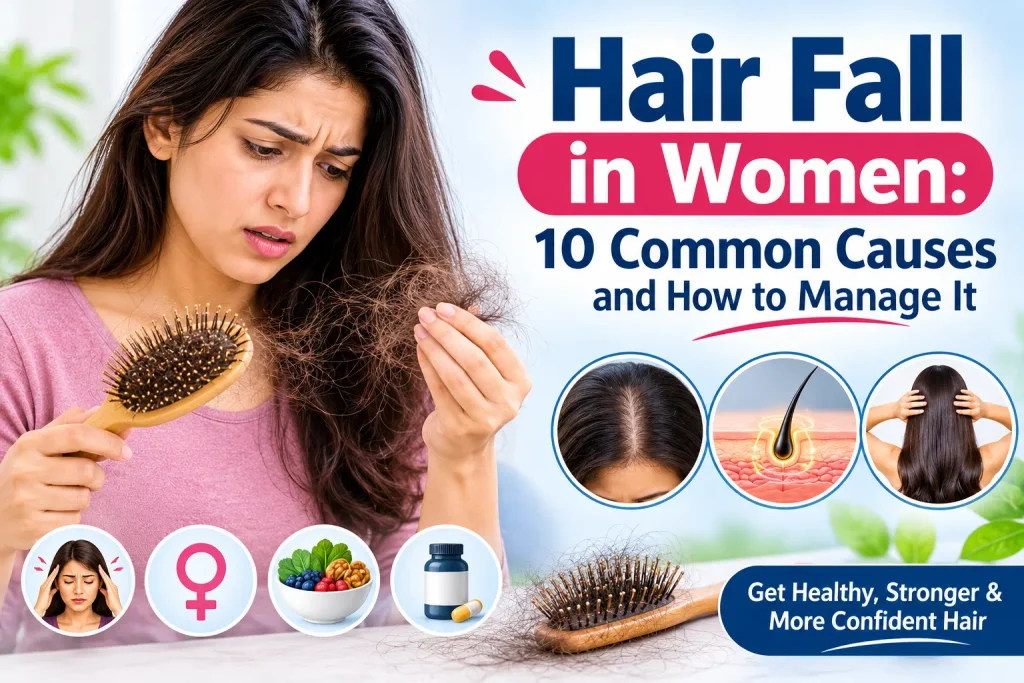
Hair Fall in Women: 10 Common Causes and How to Manage It
Hair fall is a common concern among women of different ages. Finding loose strands on a pillow, noticing more hair in the shower or seeing a widening parting can be worrying. Although losing some hair every day is a normal part of the hair growth cycle, excessive shedding or gradual thinning may indicate an underlying problem.
Hair fall in women can occur for several reasons, including stress, hormonal changes, nutritional deficiencies, thyroid disorders, certain medications and unsuitable hair-care practices. In some cases, hair shedding is temporary and improves once the underlying cause is addressed. In others, medical treatment may be needed to manage ongoing hair loss.
The good news is that identifying the cause early can help you choose a suitable treatment plan and avoid unnecessary products or supplements.
In this guide, we explain 10 common causes of hair fall in women, practical ways to manage hair shedding, available treatments, nutritional considerations and signs that mean you should consult a dermatologist.
What Is Normal Hair Fall in Women?
Hair naturally grows, rests and sheds as part of a continuous cycle. According to the American Academy of Dermatology, losing approximately 50–100 hairs a day can be normal.
However, the amount of hair you notice may vary depending on your hair length, washing frequency and styling routine.
Hair loss may be worth investigating if you notice:
- More hair falling out than usual for several weeks.
- A visibly wider parting or thinner ponytail.
- Bald patches on the scalp.
- A receding hairline or thinning around the temples.
- Persistent scalp itching, redness, scaling or pain.
- Hair loss that continues or progressively worsens.
Understanding the difference between normal shedding and excessive hair loss is the first step towards finding the right solution.
10 Common Causes of Hair Fall in Women
1. Stress and Emotional Pressure
Stress is one possible trigger for increased hair shedding. Significant emotional stress, physical illness, surgery or another major event can disrupt the normal hair growth cycle.
A condition called telogen effluvium may cause more hairs than usual to enter the resting phase and shed. The increased shedding often becomes noticeable a few months after the triggering event.
Common triggers include:
- Major emotional stress.
- Severe illness or high fever.
- Surgery or hospitalisation.
- Rapid weight loss.
- Significant changes in diet or routine.
Stress-related hair shedding is often temporary, and hair growth may recover after the trigger is addressed. However, persistent shedding should not automatically be blamed on stress.
How to manage it: Maintain regular sleep habits, eat balanced meals, engage in comfortable physical activity and consider relaxation techniques. Seek medical advice if shedding continues or you notice visible thinning.
2. Hormonal Changes
Hormonal changes can influence hair growth and shedding at different stages of a woman’s life.
Pregnancy, childbirth, menopause and certain hormonal disorders may affect hair density. Some women experience increased shedding after giving birth as hormone levels change.
Polycystic ovary syndrome (PCOS) may also contribute to scalp hair thinning in some women because of androgen-related hormonal changes. It can occur alongside irregular periods, acne or increased facial hair.
How to manage it: If hair loss occurs alongside irregular periods, new facial hair, acne or other hormonal symptoms, consult a healthcare professional. Appropriate evaluation can help identify whether a hormonal condition is contributing to the problem.
Avoid taking hormone-balancing supplements or medicines without professional guidance.
3. Iron Deficiency and Other Nutritional Deficiencies
Hair follicles require adequate nutrition to support normal growth. Insufficient intake or absorption of certain nutrients may contribute to hair shedding in some people.
Iron deficiency is particularly important to consider in women who experience heavy menstrual bleeding, follow restrictive diets or have certain digestive conditions.
Other nutritional factors that may be relevant include inadequate protein intake and deficiencies of specific vitamins or minerals.
Possible signs of nutritional problems include fatigue, weakness, brittle nails or changes in overall wellbeing. These symptoms are not specific to a single deficiency.
How to manage it: Include a variety of nutrient-rich foods in your diet, such as lentils, beans, eggs, dairy products, fish, lean meats, nuts, seeds and green leafy vegetables, according to your dietary preferences.
A healthcare professional may recommend blood tests if a deficiency is suspected. Iron, zinc and other supplements should generally be used when needed and at appropriate doses, rather than taken blindly.
4. Thyroid Disorders
The thyroid gland produces hormones that help regulate metabolism and affect several body functions, including the hair growth cycle.
An underactive thyroid (hypothyroidism) or overactive thyroid (hyperthyroidism) may contribute to hair thinning or increased shedding.
Other symptoms may include:
- Unexplained changes in weight.
- Fatigue or changes in energy.
- Sensitivity to cold or heat.
- Changes in bowel habits.
- Menstrual irregularities.
These symptoms can have many causes, so they do not confirm a thyroid disorder on their own.
How to manage it: If hair loss occurs alongside symptoms that suggest a thyroid problem, consult a doctor. Thyroid function tests may be recommended, and treating a confirmed thyroid condition can help address the underlying cause.
5. Female Pattern Hair Loss
Female pattern hair loss is a common cause of gradual thinning in women. It may develop with age and can be influenced by genetic and hormonal factors.
Unlike sudden hair shedding, this condition often progresses slowly. Women may notice a widening central parting, reduced density over the crown or a thinner ponytail.
The hairline may remain relatively preserved, although the pattern varies between individuals.
How to manage it: A dermatologist can examine your scalp and determine whether female pattern hair loss is likely. Topical minoxidil is a commonly used treatment for certain types of hair loss, but it is not suitable for everyone.
Treatment may require ongoing use to maintain benefits. Consult a healthcare professional before starting it, particularly during pregnancy, when planning pregnancy or while breastfeeding.
6. Pregnancy and Postpartum Hair Shedding
During pregnancy, hormonal changes may alter the usual hair growth cycle. Some women notice thicker-looking hair during pregnancy, followed by increased shedding after delivery.
This postpartum shedding is often temporary and may become noticeable a few months after childbirth. Hair density commonly improves over time, although recovery varies.
Persistent or severe hair loss after delivery may also be associated with iron deficiency, thyroid problems or other factors.
How to manage it: Handle hair gently, avoid tight hairstyles and maintain a balanced diet. Discuss excessive shedding with your healthcare professional, especially if you also experience fatigue, dizziness or other concerning symptoms.
Do not assume that every case of postpartum hair loss is simply hormonal.
7. Tight Hairstyles and Hair Damage
Repeated tension on the hair can cause a type of hair loss called traction alopecia. It may occur with tight ponytails, braids, buns, extensions or other styles that pull strongly on the hair.
Frequent heat styling, chemical straightening, bleaching and rough brushing can also damage hair shafts, causing breakage that may look like hair loss.
Early traction-related changes may improve when the pulling stops. Long-standing traction alopecia can sometimes cause permanent damage.
How to manage it:
- Choose loose hairstyles that do not pull on the scalp.
- Reduce frequent use of high-heat styling tools.
- Avoid repeated harsh chemical treatments.
- Detangle gently, especially when hair is wet.
- Stop hairstyles that cause pain or persistent scalp tension.
If you notice thinning around the hairline or broken hairs in areas exposed to tension, seek dermatological advice.
8. Scalp Conditions and Infections
Certain scalp conditions can contribute to hair loss or breakage.
Examples include inflammatory skin conditions, fungal infections and disorders that cause persistent irritation. Symptoms may include itching, scaling, redness, tenderness or areas of broken hair.
Some inflammatory conditions can damage hair follicles and cause permanent hair loss if treatment is delayed.
How to manage it: Seek medical assessment if hair loss occurs with scalp pain, marked redness, scaling, sores or patchy bald areas. Treatment depends on the specific condition and may involve medicated products or prescription medicines.
Avoid applying irritating home remedies, essential oils or strong chemicals to an inflamed scalp.
9. Rapid Weight Loss and Restrictive Diets
Hair follicles need sufficient energy and nutrients. Rapid weight loss, crash diets and prolonged inadequate calorie or protein intake may trigger increased shedding.
The effect may not appear immediately; shedding can become noticeable several weeks or months after the dietary change.
Highly restrictive diets may also increase the risk of nutritional deficiencies, especially when important food groups are excluded without appropriate replacements.
How to manage it: Aim for gradual, sustainable weight management and a varied diet containing sufficient protein, healthy fats, carbohydrates, vitamins and minerals.
If you have lost a significant amount of weight unintentionally or have difficulty maintaining adequate nutrition, speak with a healthcare professional or registered dietitian.
10. Medications and Underlying Medical Conditions
Some medicines can contribute to hair shedding, although the risk depends on the medication, dose and individual response.
Certain medical conditions and treatments, including chemotherapy, may also cause substantial hair loss.
If your hair shedding begins after starting a new medicine or changing a dose, discuss the timing with your prescribing clinician.
How to manage it: Do not stop prescribed medication on your own. A healthcare professional can assess whether the medicine may be responsible and discuss alternatives when appropriate.
Persistent or unexplained hair loss may require a medical history, scalp examination and selected tests to identify the cause.
How to Reduce Hair Fall in Women: 8 Practical Tips
Managing hair fall starts with identifying the reason for it. The following habits can help protect hair and support overall health.
1. Eat a Balanced Diet
Include adequate protein and a variety of nutrient-rich foods. Eggs, dairy products, beans, lentils, nuts, seeds, fish and lean meats can contribute useful nutrients, depending on your dietary preferences.
No single food can guarantee hair growth, but a balanced diet helps prevent nutritional gaps.
2. Avoid Crash Dieting
Rapid weight loss can trigger hair shedding. Choose a sustainable eating pattern rather than severe calorie restriction.
If you follow a vegetarian, vegan or otherwise restrictive diet, plan meals carefully to meet your nutritional requirements.
3. Be Gentle with Wet Hair
Wet hair can be more vulnerable to damage. Use a wide-tooth comb where appropriate, avoid aggressive towel rubbing and detangle carefully.
Reducing breakage can make hair look healthier, although it does not treat hair loss caused by a medical condition.
4. Limit Heat and Chemical Treatments
Frequent straightening, bleaching and high-temperature styling can weaken hair shafts.
Use lower heat settings, reduce the frequency of styling and allow recovery time between chemical treatments.
5. Avoid Tight Hairstyles
Repeated pulling may damage hair follicles. Choose loose hairstyles and change styles regularly to reduce tension.
Pain or tightness from a hairstyle is a warning sign that it may be too restrictive.
6. Manage Stress and Sleep Well
Regular sleep, gentle exercise and relaxation practices can support general wellbeing.
These habits may be helpful when stress contributes to hair shedding, but they cannot replace medical treatment for thyroid disease, pattern hair loss or other conditions.
7. Use Hair Products Carefully
Choose shampoos and conditioners appropriate for your scalp and hair type. Products marketed as anti-hair-fall treatments may reduce breakage or improve hair appearance, but they may not address the underlying cause of follicle-related hair loss.
Avoid products that cause irritation, and seek advice if your scalp symptoms persist.
8. Seek Professional Advice Early
If you have persistent shedding, widening parting, bald patches or scalp symptoms, a dermatologist can help identify the cause.
Early evaluation is particularly important when hair loss is sudden, painful, associated with inflammation or progressing rapidly.
Medical Treatments for Hair Fall in Women
Treatment should be based on the type and cause of hair loss.
Topical minoxidil: This treatment may help certain forms of female pattern hair loss. It requires consistent use, and results vary. Possible side effects include scalp irritation and unwanted facial hair growth. It should be discussed with a healthcare professional, particularly during pregnancy or breastfeeding.
Treatment for nutritional deficiencies: If testing confirms a deficiency, appropriate dietary changes or supplementation may be recommended. Taking excess iron or high doses of other nutrients without a demonstrated need may be harmful.
Treatment for thyroid or hormonal disorders: When a confirmed condition contributes to hair loss, treating that condition may help reduce shedding or improve hair growth over time.
Prescription treatments: Depending on the diagnosis, a dermatologist may consider other medicines or specialised treatments. Suitability depends on factors such as age, medical history and pregnancy plans.
Treatment for scalp disorders: Infections and inflammatory scalp conditions require cause-specific treatment. Prompt evaluation may help prevent further damage.
Hair growth is slow, so improvement often takes months rather than days. Be cautious of products that promise immediate regrowth or guaranteed results.
When Should You See a Doctor for Hair Loss?
Arrange a medical appointment if you experience:
- Sudden or unexplained hair loss.
- Bald patches or rapidly widening areas of thinning.
- Persistent shedding lasting several months.
- Scalp pain, itching, redness or scaling.
- Hair loss alongside irregular periods or other hormonal symptoms.
- Hair shedding with significant fatigue or unexplained weight changes.
- Hair loss that continues despite gentle hair-care practices.
A dermatologist may examine your scalp, review your medical history and recommend blood tests or other investigations when appropriate.
The earlier the cause is identified, the sooner you can consider a suitable treatment plan.
Frequently Asked Questions About Hair Fall in Women
1. What is the most common cause of hair fall in women?
There is no single cause for every woman. Common reasons include temporary hair shedding after stress or illness, female pattern hair loss, hormonal changes, nutritional deficiencies and thyroid disorders. The pattern and timing of hair loss help guide evaluation.
2. Can iron deficiency cause hair fall in women?
Iron deficiency may contribute to hair shedding in some women, particularly those with heavy menstrual bleeding or inadequate iron intake. A healthcare professional can assess whether blood tests and treatment are appropriate.
3. How can I reduce hair fall naturally?
Gentle hair care, avoiding tight hairstyles, eating a balanced diet, preventing crash dieting and managing stress may help. However, natural methods alone may not resolve hair loss caused by a medical condition.
4. Does stress cause hair loss?
Yes. Significant stress can trigger telogen effluvium, a condition that causes increased shedding. Hair loss often appears a few months after the triggering event and may improve as the body recovers.
5. Can hormonal imbalance cause hair thinning?
Yes. Certain hormonal changes and conditions, including PCOS and menopause-related changes, may contribute to hair thinning. A medical evaluation can help identify the cause and appropriate treatment.
6. Which vitamin deficiency causes hair fall?
Iron deficiency is an important consideration, while inadequate intake of certain other nutrients may also contribute. Hair loss alone cannot identify a particular deficiency, and supplements should not be taken in high doses without appropriate guidance.
7. How long does it take for hair to grow back after hair fall?
Recovery depends on the cause. Temporary shedding may gradually improve over several months, while female pattern hair loss may require ongoing treatment. Some conditions can cause permanent loss if the follicles are damaged.
8. When should I worry about hair fall?
Seek medical advice if hair loss is sudden, severe, patchy, persistent or associated with scalp inflammation. Early assessment can help identify conditions that need treatment.
Conclusion
Hair fall in women can result from many factors, including stress, hormonal changes, iron deficiency, thyroid disorders, postpartum changes, hair damage and underlying scalp conditions. Because these causes require different approaches, identifying the reason for hair loss is more useful than trying multiple products without a clear plan.
A balanced diet, gentle hair care and avoidance of tight hairstyles can help protect your hair. However, persistent or sudden shedding, bald patches or scalp symptoms should be evaluated by a healthcare professional.
With an accurate diagnosis and an appropriate treatment plan, many causes of hair shedding can be managed, although results vary from person to person.
Disclaimer: This article is for general educational purposes only and does not replace professional medical advice, diagnosis or treatment. Consult a qualified healthcare professional for persistent or unexplained hair loss.
References and Further Reading
- American Academy of Dermatology – Hair Loss: Tips for Managing
- NHS – Hair Loss
- MedlinePlus – Hair Loss
- Office of Dietary Supplements – Iron
For more health information, visit Krone Biocare.