
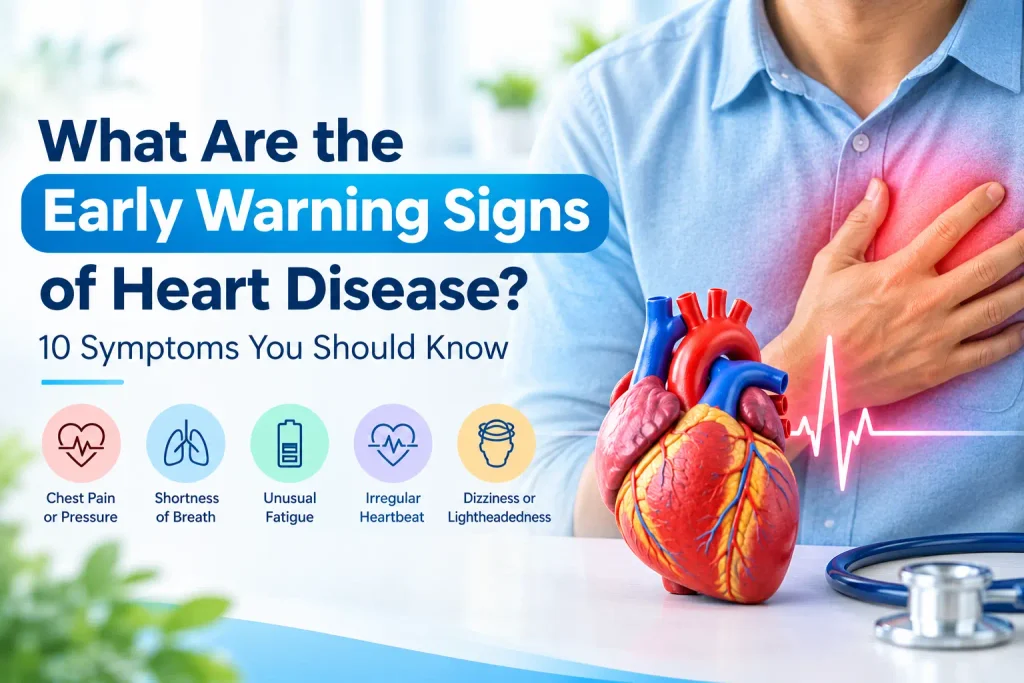
What Are the Early Warning Signs of Heart Disease? 10 Symptoms You Should Know
Heart health plays an essential role in overall well-being. The heart pumps oxygen-rich blood throughout the body, supplying vital organs, muscles and tissues with the oxygen and nutrients they need. When the heart or blood vessels develop a problem, the body may show warning signs that should not be ignored.
Many people associate heart disease only with severe chest pain or a heart attack. However, possible symptoms can also include unusual tiredness, shortness of breath, dizziness, a racing heartbeat and swelling in the feet or ankles. Some people may not experience noticeable symptoms at all.
Understanding the early warning signs of heart disease can help you recognize when to seek medical advice. Although these symptoms do not always indicate a heart condition, persistent, unexplained or worsening symptoms deserve attention.
In this article, we explore 10 possible warning signs of heart disease, common risk factors, ways to support cardiovascular health and when to seek emergency medical assistance.
What Is Heart Disease?
Heart disease is a broad term for conditions that affect the heart’s structure or function. These include coronary artery disease, heart rhythm disorders, heart valve problems and heart failure.
Coronary artery disease occurs when plaque builds up inside the arteries that supply blood to the heart muscle. This buildup can narrow the arteries and reduce blood flow. In some cases, a sudden blockage can cause a heart attack.
Different heart conditions cause different symptoms. Some develop gradually, while others can cause sudden, life-threatening problems. Identifying risk factors and getting appropriate health checks can help people manage their cardiovascular health.
10 Early Warning Signs of Heart Disease
The following symptoms may be associated with heart disease or other medical conditions. They cannot confirm a diagnosis on their own, so a healthcare professional should assess symptoms in context.
1. Chest Pain, Pressure or Discomfort
Chest discomfort is one of the best-known warning signs of a heart problem. It may feel like pressure, tightness, squeezing, heaviness or burning in the chest rather than sharp pain.
Some people notice discomfort during physical activity or emotional stress. The sensation may ease with rest and return later. This pattern can occur with angina, which happens when the heart muscle does not receive enough blood.
Heart-related discomfort may also spread to the shoulders, arms, neck, jaw, back or upper abdomen. However, chest pain can have many causes, including digestive and muscular problems, so it should not be self-diagnosed.
When to seek help: New, severe, persistent or recurring chest discomfort requires prompt medical assessment. If you suspect a heart attack, seek emergency medical help immediately rather than waiting to see whether the pain passes.
2. Shortness of Breath
Do you feel breathless while walking, climbing stairs or performing activities that previously felt easy? Unexplained breathlessness can sometimes indicate a cardiovascular problem.
When the heart cannot pump blood effectively, pressure and fluid may build up in the lungs, making breathing more difficult. Breathlessness can also occur during rest or when lying flat in some people with heart failure.
There are many other possible causes, including asthma, lung conditions, anaemia and infections. A medical evaluation is important when breathlessness is new, persistent or worsening.
When to seek help: Sudden or severe breathlessness, especially with chest discomfort, sweating, faintness or nausea, may signal an emergency.
3. Unusual Fatigue or Weakness
Feeling tired after a busy day is normal. However, unusual fatigue that persists without a clear explanation may deserve medical attention, particularly when it occurs alongside other symptoms.
Some people with heart disease report reduced energy, difficulty completing everyday tasks or weakness that feels out of proportion to their activity. Unusual fatigue can also occur before or during a heart attack. Women may experience fatigue and weakness among their heart attack symptoms.
Fatigue alone is not specific to heart disease. Poor sleep, stress, anaemia, thyroid disorders, infections and nutritional deficiencies can also cause it.
What to do: Consult a healthcare professional if fatigue is persistent, new or affecting your daily routine. Seek emergency care if sudden weakness occurs with chest discomfort, breathlessness or other heart attack symptoms.
4. Fast or Irregular Heartbeat
A sensation that your heart is racing, fluttering, pounding or skipping beats is known as a palpitation. Palpitations can occur after exercise, during anxiety or after consuming caffeine. They can also be associated with heart rhythm disorders, called arrhythmias.
Pay attention to episodes that repeatedly occur without an obvious trigger, last longer than usual or are accompanied by dizziness, weakness or breathlessness. A clinician may recommend an electrocardiogram (ECG) or another test to investigate the rhythm.
When to seek help: A racing or irregular heartbeat accompanied by chest pain, severe breathlessness, fainting or near-fainting requires emergency assessment.
5. Dizziness or Lightheadedness
Feeling lightheaded occasionally may result from dehydration, standing up quickly, low blood sugar or medication effects. However, recurring dizziness can sometimes be linked to a heart rhythm problem or another cardiovascular condition.
If the heart beats too quickly, too slowly or irregularly, it may not deliver blood effectively to the brain in certain circumstances. This can cause lightheadedness or, in severe cases, fainting.
Do not assume dizziness is harmless when it is new, recurrent or unexplained, especially if you have known heart disease or other cardiovascular risk factors.
What to do: Arrange a medical assessment for recurring episodes. Sudden fainting, particularly with chest discomfort, palpitations or breathing difficulty, needs urgent medical attention.
6. Swelling in the Feet, Ankles or Legs
Swelling in the lower legs, feet or ankles is another possible sign of a cardiovascular problem. It can occur when fluid accumulates in body tissues, including when the heart is not pumping blood effectively.
You may notice that your shoes feel tighter, your ankles appear puffy or swelling becomes more obvious later in the day. Some people with heart failure also experience abdominal swelling or unexplained weight gain from fluid retention.
Swelling does not automatically mean heart disease. It can also be associated with vein problems, kidney or liver conditions, and certain medications.
What to do: Seek medical advice for persistent or unexplained swelling. Sudden swelling in one leg, especially with pain or redness, needs urgent assessment. Swelling with severe breathlessness is an emergency.
7. Pain in the Arm, Shoulder, Jaw, Neck or Back
Heart-related pain does not always stay in the chest. During a heart attack, discomfort can spread to one or both arms, the shoulders, neck, jaw or back.
This discomfort may occur alongside chest pressure, nausea, sweating or shortness of breath. Some people experience less obvious symptoms, so the absence of severe chest pain does not rule out a heart attack.
Pain in these areas can also arise from muscle strain, joint problems, dental conditions or nerve irritation. The surrounding symptoms and circumstances help determine how urgently the problem needs attention.
When to seek help: Sudden, unexplained pain in the upper body combined with chest discomfort, breathlessness, sweating or nausea should be treated as a possible heart attack. Call your local emergency number immediately.
8. Nausea, Indigestion or Stomach Discomfort
Some people experiencing a heart attack report nausea, vomiting, upper abdominal discomfort or a sensation similar to indigestion. These symptoms may be overlooked because they do not always feel like a typical heart problem.
Indigestion is common and usually has non-cardiac causes. However, new or unusual digestive discomfort accompanied by chest pressure, cold sweating, breathlessness or pain in the jaw or arm requires urgent evaluation.
What to do: Do not assume that unexplained upper-body or stomach discomfort is simply acidity when other warning signs are present. If a heart attack is possible, seek emergency care without delay.
9. Cold Sweating Without an Obvious Reason
Sweating after exercise, in hot weather or during a stressful moment is normal. Breaking out in a cold sweat without an obvious cause, especially with chest discomfort or nausea, can be a warning sign of a heart attack.
Cold sweating may occur with lightheadedness, weakness, breathlessness or a feeling that something is seriously wrong. These symptoms are not exclusive to heart disease, but their sudden appearance should not be ignored.
When to seek help: Sudden cold sweating with chest pressure, upper-body pain, nausea or breathing difficulty warrants emergency medical assistance.
10. Persistent Cough or Difficulty Breathing When Lying Down
A persistent cough or wheezing can have many causes, including allergies, asthma and respiratory infections. In some cases, however, these symptoms can occur when fluid builds up in the lungs because the heart is not pumping effectively.
Some people with heart failure notice that breathing becomes harder when lying flat or that they wake during the night feeling short of breath. These symptoms need medical evaluation, especially when accompanied by ankle swelling, fatigue or reduced exercise tolerance.
What to do: Seek medical advice for a persistent, unexplained cough or new difficulty breathing when lying down. Severe breathing difficulty requires emergency assistance.
Are Heart Disease Symptoms Different in Women and Men?
Heart disease can affect people of all sexes, and symptoms may vary from person to person. Chest discomfort remains a common heart attack symptom in women as well as men, but women may also experience symptoms such as unusual fatigue, nausea, shortness of breath, weakness or discomfort in the back, shoulder or jaw.
These symptoms may be mistaken for stress, indigestion or tiredness. That is one reason it is important to recognize unusual changes in your health instead of dismissing them.
Men can also experience less typical symptoms, and not everyone develops all the warning signs.
Remember: Symptoms alone cannot reliably determine whether someone is having a heart attack. If symptoms suggest an emergency, seek medical assistance immediately rather than waiting for a particular symptom to appear.
What Are the Risk Factors for Heart Disease?
Several health conditions, lifestyle choices and inherited factors can increase the likelihood of developing heart disease. Understanding these risk factors helps you discuss appropriate prevention and screening with your healthcare professional.
1. High Blood Pressure
High blood pressure makes the heart work harder and can damage blood vessels over time. It often causes no obvious symptoms, so regular measurement is important even when you feel healthy.
2. High Cholesterol
Excess LDL cholesterol can contribute to plaque buildup in the arteries. Over time, this may narrow the coronary arteries and restrict blood flow to the heart.
3. Diabetes
Diabetes can damage blood vessels and increase the risk of cardiovascular complications. Managing blood glucose, blood pressure and cholesterol is an important part of reducing risk.
4. Smoking and Tobacco Use
Smoking damages blood vessels and increases cardiovascular risk. Avoiding tobacco and second-hand smoke is an important step toward better heart health.
5. Physical Inactivity
Regular physical activity supports cardiovascular fitness and can help manage blood pressure, blood glucose and body weight. Inactivity can contribute to several heart disease risk factors.
6. Unbalanced Diet
A diet high in salt, added sugar and saturated or trans fats can contribute to cardiovascular risk, particularly when combined with other unhealthy habits.
7. Excess Weight
Excess body weight can increase the likelihood of high blood pressure, type 2 diabetes and abnormal cholesterol levels, all of which affect heart health.
8. Family History and Age
Having a close relative who developed heart disease at an early age may increase your risk. Risk also generally increases with age, although heart disease can occur in younger adults.
Having one or more risk factors does not mean that you will definitely develop heart disease. A healthcare professional can assess your overall risk and recommend appropriate screening and prevention measures.
How Is Heart Disease Diagnosed?
If you experience possible warning signs of heart disease, a healthcare professional may recommend tests based on your symptoms, medical history and risk factors.
Common assessments include:
- Blood pressure measurement: Checks the force of blood against artery walls.
- Blood tests: May measure cholesterol, blood glucose and other markers relevant to your symptoms.
- Electrocardiogram (ECG or EKG): Records the heart’s electrical activity and can help identify certain rhythm problems or signs of heart injury.
- Echocardiogram: Uses ultrasound to assess heart structure, valves and pumping function.
- Exercise or other cardiac testing: May be recommended when a clinician needs to investigate symptoms associated with physical activity.
- Additional investigations: Depending on the situation, a doctor may recommend heart rhythm monitoring, coronary imaging or other tests.
Not everyone needs every test. The appropriate evaluation depends on the suspected condition, and emergency symptoms should never be delayed while arranging routine screening.
8 Practical Ways to Support Heart Health
Although not every heart condition can be prevented, healthy habits can help reduce several important cardiovascular risk factors.
1. Eat a Balanced Diet
Include vegetables, fruits, whole grains, beans, pulses, nuts and other nutritious foods. Choose healthier fat sources and limit excess salt, added sugar and highly processed foods.
2. Stay Physically Active
For many adults, a useful general goal is at least 150 minutes of moderate-intensity aerobic activity per week, adjusted to individual ability and medical advice. Walking, cycling and swimming are possible options.
If you have chest discomfort, unexplained breathlessness or another concerning symptom, obtain medical advice before starting strenuous exercise.
3. Monitor Blood Pressure
Have your blood pressure checked regularly. If you have hypertension, follow your clinician’s treatment plan rather than relying on the absence of symptoms.
4. Check Cholesterol Levels
Appropriate cholesterol testing can help identify cardiovascular risk that may not cause noticeable symptoms. Discuss your results and individual treatment targets with a healthcare professional.
5. Avoid Tobacco
Do not smoke or use tobacco products. If you smoke, ask a healthcare professional about evidence-based ways to quit.
6. Manage Blood Sugar
If you have diabetes or are at risk of developing it, follow appropriate screening and treatment advice. Blood glucose management is an important part of cardiovascular care.
7. Prioritize Sleep
Maintain a regular sleep schedule and aim for adequate, good-quality sleep. Speak with a clinician if you regularly snore heavily, wake gasping or experience persistent daytime sleepiness.
8. Attend Routine Health Checkups
Regular checkups can help identify high blood pressure, cholesterol abnormalities, diabetes and other risk factors before they lead to complications.
When Should You Seek Emergency Medical Help?
Knowing when symptoms require emergency attention is just as important as recognizing the possible early warning signs of heart disease.
Seek emergency medical help immediately if you or someone nearby develops:
- New or persistent chest pressure, squeezing or discomfort that may indicate a heart attack.
- Chest discomfort spreading to the arm, back, neck or jaw.
- Sudden or severe shortness of breath.
- Cold sweating, nausea or lightheadedness occurring with possible heart attack symptoms.
- Fainting or sudden collapse, especially with palpitations or chest discomfort.
Do not wait for every symptom to appear. Heart attacks can begin gradually, with mild discomfort, and symptoms may come and go. If you suspect a heart attack, call India’s emergency number 112 or your local emergency medical service. Do not drive yourself if emergency assistance is available.
If a person collapses and is unresponsive and is not breathing normally, call emergency services, begin CPR if you can, and use an automated external defibrillator (AED) if available, following its instructions.
Frequently Asked Questions About Early Warning Signs of Heart Disease
1. What are the first signs of heart disease?
Possible warning signs include chest discomfort, shortness of breath, unusual fatigue, palpitations, dizziness and swelling in the feet or ankles. Some people have no noticeable symptoms in the early stages, so routine risk assessment is important.
2. Can heart disease develop without symptoms?
Yes. Some cardiovascular conditions, including coronary artery disease, can remain unnoticed until a serious complication occurs. High blood pressure can also exist without obvious symptoms. Regular health checks can help identify certain risks early.
3. Can a young person have heart disease?
Yes. Heart disease can affect younger adults as well as older people. Family history, smoking, diabetes, high blood pressure, high cholesterol and other factors can increase risk. Persistent or concerning symptoms should be assessed regardless of age.
4. Does chest pain always mean heart disease?
No. Chest pain can result from muscle strain, acid reflux, lung conditions and other causes. However, because it can also indicate a heart attack, new or unexplained chest discomfort should be taken seriously. Seek emergency care if a heart attack is suspected.
5. What are the warning signs of heart disease in women?
Women can experience chest discomfort, breathlessness, unusual fatigue, nausea, lightheadedness and pain in the arm, back, shoulder or jaw. Symptoms vary, and chest discomfort may still be present. Possible heart attack symptoms require immediate medical attention.
6. Can stress affect heart health?
Stress can cause temporary changes in heart rate and blood pressure. Ongoing stress may also influence sleep, physical activity and other behaviours that affect cardiovascular health. However, chest discomfort or breathlessness should not automatically be attributed to stress.
7. Which tests can help detect heart problems?
Depending on your symptoms and risk factors, a clinician may recommend blood pressure measurement, blood tests, an ECG, an echocardiogram or other investigations. There is no single test that detects every type of heart disease.
8. How can I reduce my risk of heart disease?
Helpful steps include eating a balanced diet, exercising regularly when medically appropriate, avoiding tobacco, monitoring blood pressure and cholesterol, managing diabetes, getting adequate sleep and attending recommended health checkups.
Conclusion
Recognizing the early warning signs of heart disease can help you make informed decisions about your health. Chest discomfort, breathlessness, unusual fatigue, palpitations, dizziness and unexplained swelling are symptoms worth discussing with a healthcare professional, particularly when they are new or persistent.
Heart disease does not always produce obvious symptoms, and no single symptom can confirm a diagnosis. Regular health assessments and management of blood pressure, cholesterol, blood sugar and other risk factors are important parts of cardiovascular care.
At Krone Biocare, we believe accessible health information can help people become more aware of important health concerns. Use reliable medical information, seek professional advice when needed and never delay emergency care if you suspect a heart attack.
For more information about cardiovascular health, readers can learn about the warning signs of a heart attack from the American Heart Association. Understanding these warning signs can help people recognize a possible emergency and seek timely medical assistance.
Medical disclaimer: This article is for general educational purposes only. It is not a substitute for professional medical advice, diagnosis or treatment.