
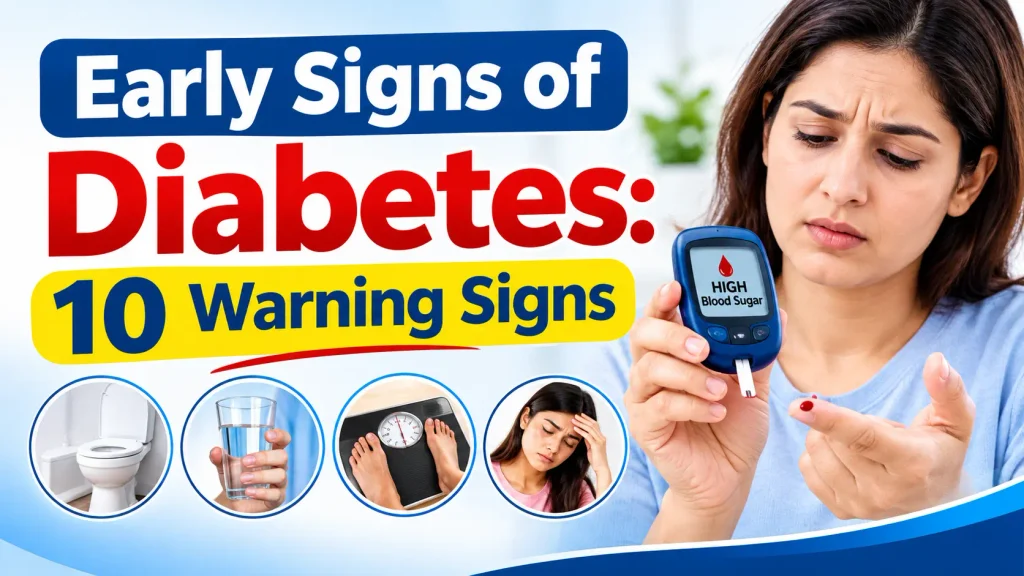
Early Signs of Diabetes: 10 Warning Symptoms You Should Never Ignore
Diabetes is one of the most common long-term health conditions affecting people around the world. It can develop gradually, and many people may have high blood sugar levels without noticing any significant symptoms in the early stages. Recognising the early signs of diabetes is important because timely diagnosis and appropriate treatment can help prevent serious health complications.
Have you noticed that you feel thirsty more frequently, visit the bathroom several times during the night, feel unusually tired or experience unexplained weight changes? These symptoms may have several causes, but they can also be associated with elevated blood sugar levels.
Diabetes occurs when the body cannot produce enough insulin or cannot use insulin effectively. Insulin is a hormone that helps glucose move from the bloodstream into the body’s cells, where it is used for energy.
When insulin production or function is impaired, glucose can accumulate in the bloodstream, resulting in high blood sugar levels.
In this article, we will explore 10 early warning signs of diabetes, common risk factors, different types of diabetes, diagnostic tests, and practical steps that may help reduce the risk of developing type 2 diabetes.
What Is Diabetes?
Diabetes mellitus is a chronic metabolic condition characterised by elevated blood glucose, commonly known as blood sugar.
The body normally converts carbohydrates from food into glucose. The pancreas produces insulin, which helps regulate glucose levels and allows the body’s cells to use glucose for energy.
When the body does not produce sufficient insulin or cannot use it properly, blood sugar levels may become too high.
Over time, uncontrolled diabetes can damage important organs and systems, including:
- Heart and blood vessels
- Kidneys
- Eyes
- Nerves
- Feet
According to the World Health Organization (WHO), diabetes can lead to serious complications, including kidney failure, blindness, heart attacks and strokes.
10 Early Signs of Diabetes You Should Never Ignore
Recognising the early symptoms of diabetes can help people seek medical advice and get tested at the right time.
Here are ten warning signs that deserve attention.
1. Frequent Urination
One of the common early signs of diabetes is frequent urination, medically known as polyuria.
When blood glucose levels become excessively high, the kidneys work to remove the extra glucose through urine. This process can increase urine production.
You may notice:
- Visiting the bathroom more frequently than usual.
- Waking up several times at night to urinate.
- Passing larger amounts of urine.
- Feeling thirsty after frequent urination.
If you experience frequent urination without an obvious explanation, consult a healthcare professional. It may be associated with diabetes or another medical condition.
2. Excessive Thirst
Excessive thirst, also called polydipsia, is another common symptom of high blood sugar.
Frequent urination can cause the body to lose more water than usual. This may lead to dehydration and an increased desire to drink fluids.
Possible warning signs include:
- Feeling thirsty throughout the day.
- Drinking water more frequently than usual.
- Experiencing a dry mouth.
- Feeling thirsty even after drinking water.
Persistent excessive thirst should not be ignored, especially when accompanied by frequent urination or unexplained tiredness.
3. Increased Hunger
Feeling hungry even after eating a proper meal may sometimes be associated with diabetes.
When insulin is insufficient or does not work effectively, glucose may not enter the body’s cells properly. As a result, the cells may not receive enough energy.
This can cause increased hunger, medically known as polyphagia.
Common signs include:
- Feeling hungry shortly after eating.
- Experiencing frequent food cravings.
- Eating more than usual.
- Feeling hungry despite regular meals.
Increased hunger alone does not confirm diabetes. However, when combined with other symptoms, it may indicate a need for blood glucose testing.
4. Unexplained Weight Loss
Unexpected weight loss without changes in diet or exercise can be an important warning sign.
When the body cannot use glucose effectively for energy, it may start breaking down stored fat and muscle for fuel.
This can result in unintentional weight loss.
You may notice:
- Losing weight without trying.
- Clothes becoming unexpectedly loose.
- Reduced muscle mass.
- Weight loss despite eating normally or more than usual.
Unexplained weight loss can have several medical causes. If it occurs alongside excessive thirst and frequent urination, seek medical evaluation promptly.
5. Constant Fatigue and Low Energy
Feeling tired occasionally is normal. However, persistent fatigue without a clear reason may be associated with elevated blood sugar levels.
When glucose cannot be used effectively by the body’s cells, energy production may be affected.
Dehydration and other metabolic changes associated with diabetes can also contribute to tiredness.
Common symptoms include:
- Feeling exhausted even after adequate sleep.
- Low energy throughout the day.
- Difficulty concentrating.
- Reduced physical stamina.
- Feeling unusually weak.
If fatigue continues for several weeks, consider consulting a healthcare professional rather than assuming it is simply due to a busy lifestyle.
6. Blurred Vision
Changes in blood sugar levels can affect the fluid balance in the eyes, temporarily changing the shape of the lens and making vision appear blurred.
Possible symptoms include:
- Difficulty reading small text.
- Blurred vision while using a mobile phone.
- Difficulty focusing on distant objects.
- Temporary changes in eyesight.
Persistent high blood sugar can also damage the small blood vessels in the retina, leading to diabetic retinopathy.
Sudden changes in vision require prompt medical attention. People diagnosed with diabetes should also undergo regular eye examinations as advised by their doctor.
7. Slow Healing of Cuts and Wounds
Another possible warning sign of diabetes is delayed wound healing.
High blood glucose can affect blood circulation, blood vessels and immune function. These changes may make it more difficult for the body to recover from injuries.
Watch for:
- Cuts taking longer than usual to heal.
- Repeated skin infections.
- Foot wounds that do not improve.
- Redness, swelling or irritation around injuries.
Foot wounds deserve particular attention in people with diabetes because nerve damage and poor circulation can increase the risk of serious infections.
Do not delay medical care for a wound that is worsening, especially if there is swelling, discharge, fever or increasing pain.
8. Frequent Skin and Urinary Infections
People with uncontrolled diabetes may experience infections more frequently.
High blood sugar can affect the body’s ability to fight infections and may create conditions that encourage the growth of certain microorganisms.
Some commonly reported problems include:
- Recurrent urinary tract infections.
- Frequent fungal infections.
- Repeated skin infections.
- Itching or irritation in certain areas.
- Recurrent infections around the feet.
Frequent infections do not automatically mean that someone has diabetes. However, recurring or unexplained infections should be evaluated by a healthcare professional.
9. Tingling or Numbness in Hands and Feet
Persistent high blood sugar over time can damage nerves, a condition known as diabetic neuropathy.
This problem often affects the nerves in the feet and legs, although the hands may also be affected.
Possible symptoms include:
- Tingling sensations in the feet.
- Numbness in the toes.
- Burning or shooting pain.
- Reduced sensation in the legs.
- Difficulty noticing minor injuries.
Nerve damage is generally associated with longer-term diabetes, but it may already be present when type 2 diabetes is first diagnosed.
If you experience persistent numbness or tingling, seek medical advice to identify the underlying cause.
10. Dark Patches on the Skin
Dark, thickened and velvety patches of skin, particularly around the neck, armpits and groin, may be associated with a condition called acanthosis nigricans.
This skin change is often linked to insulin resistance, which means the body’s cells do not respond effectively to insulin.
You may notice:
- Darkening around the back of the neck.
- Thickened skin in the armpits.
- Dark patches around skin folds.
- A velvety skin texture.
Acanthosis nigricans does not confirm diabetes, but it can be a reason to discuss blood glucose testing with a healthcare professional.
Early Signs of Diabetes in Men
Diabetes can affect men and women, although certain symptoms and related health concerns may differ.
Some possible signs in men include:
- Frequent urination.
- Excessive thirst.
- Unexplained weight loss.
- Persistent fatigue.
- Erectile dysfunction.
- Reduced physical stamina.
- Recurrent urinary or skin infections.
Erectile dysfunction can have several causes, including diabetes-related nerve and blood vessel damage. Men experiencing persistent symptoms should seek medical evaluation.
Early Signs of Diabetes in Women
Women may experience common diabetes symptoms such as excessive thirst, frequent urination and fatigue.
Some additional concerns include:
- Recurrent vaginal yeast infections.
- Frequent urinary tract infections.
- Unexplained fatigue.
- Changes in menstrual health.
- Increased risk associated with a history of gestational diabetes.
- Increased risk associated with polycystic ovary syndrome (PCOS).
Women who have experienced gestational diabetes during pregnancy should discuss appropriate follow-up screening with their healthcare provider.
What Are the Different Types of Diabetes?
Understanding the different types of diabetes is important because their causes, symptoms and treatments are not identical.
1. Type 1 Diabetes
Type 1 diabetes is an autoimmune condition in which the immune system attacks the insulin-producing cells in the pancreas.
As a result, the body produces little or no insulin.
It can develop during childhood, adolescence or adulthood.
Common symptoms include:
- Excessive thirst.
- Frequent urination.
- Unexplained weight loss.
- Increased hunger.
- Extreme tiredness.
Symptoms can develop quickly and may become severe.
People with type 1 diabetes require insulin treatment to survive.
2. Type 2 Diabetes
Type 2 diabetes is the most common form of diabetes.
It develops when the body becomes resistant to insulin or gradually cannot produce enough insulin to maintain normal blood glucose levels.
Common risk factors include:
- Family history of diabetes.
- Being overweight or having excess abdominal fat.
- Physical inactivity.
- Unhealthy dietary habits.
- High blood pressure.
- Abnormal cholesterol and triglyceride levels.
- Previous gestational diabetes.
Type 2 diabetes may develop slowly, and some people experience no noticeable symptoms for years.
3. Gestational Diabetes
Gestational diabetes develops during pregnancy when blood glucose levels become higher than normal.
It may not cause noticeable symptoms, which is why recommended pregnancy screening is important.
Women diagnosed with gestational diabetes may have an increased risk of developing type 2 diabetes later in life.
What Causes Diabetes?
Diabetes does not have one single cause. Different factors contribute to different types of diabetes.
The following factors are associated with an increased risk of type 2 diabetes:
1. Family History: Having a parent or sibling with type 2 diabetes may increase your risk.
2. Excess Body Weight: Being overweight, particularly carrying excess abdominal fat, is associated with insulin resistance.
3. Sedentary Lifestyle: Spending long periods sitting and getting insufficient physical activity can increase metabolic risk.
4. Unhealthy Eating Habits: Regularly consuming excessive calories, sugary drinks and foods high in unhealthy fats may contribute to weight gain and metabolic problems.
5. High Blood Pressure: Hypertension frequently occurs alongside insulin resistance and other metabolic risk factors.
6. Abnormal Cholesterol: High triglycerides and low HDL cholesterol are associated with an increased risk of type 2 diabetes.
7. Increasing Age: The risk generally increases with age, although type 2 diabetes can also occur in younger people.
8. Previous Gestational Diabetes: Women who have experienced diabetes during pregnancy have a higher future risk of type 2 diabetes.
How Is Diabetes Diagnosed?
Symptoms alone cannot confirm diabetes. A blood test is required for diagnosis.
Doctors may recommend one or more of the following tests.
1. Fasting Blood Sugar Test
This test measures blood glucose after an overnight fast, usually of at least eight hours.
Common diagnostic thresholds for non-pregnant adults are:
- Normal: Below 100 mg/dL.
- Prediabetes: 100–125 mg/dL.
- Diabetes: 126 mg/dL or above.
2. HbA1c Test
The HbA1c test measures average blood glucose levels over approximately the previous two to three months.
Common diagnostic ranges are:
- Normal: Below 5.7%.
- Prediabetes: 5.7%–6.4%.
- Diabetes: 6.5% or above.
Certain medical conditions, including some forms of anaemia and haemoglobin disorders, may affect HbA1c accuracy.
3. Postprandial Blood Sugar Test
This test measures blood glucose after a meal. It can help assess glucose levels after eating.
A two-hour oral glucose tolerance test is a different, standardised test that measures blood glucose two hours after drinking a glucose solution.
A two-hour oral glucose tolerance result of 200 mg/dL or above is in the diabetes range.
4. Random Blood Sugar Test
This test measures blood glucose at any time of the day.
A result of 200 mg/dL or above, together with classic symptoms of high blood sugar, may indicate diabetes and requires medical evaluation.
Important: In the absence of clear symptoms or a hyperglycaemic crisis, an abnormal diagnostic result generally needs confirmation with repeat or additional testing. Your doctor will interpret the results according to your health and medical history.
How to Prevent or Reduce the Risk of Type 2 Diabetes
Although type 1 diabetes cannot currently be prevented, lifestyle changes can help reduce or delay the risk of type 2 diabetes.
Here are some practical steps.
1. Follow a Balanced Diet
Include a variety of nutritious foods in your daily meals.
Consider adding:
- Green leafy vegetables.
- Whole grains.
- Pulses and beans.
- Nuts and seeds.
- Fresh whole fruits.
- Appropriate protein sources.
Limit sugary beverages, excessive sweets and highly processed foods.
2. Exercise Regularly
Physical activity helps improve insulin sensitivity and supports healthy body weight.
Adults can aim for at least 150 minutes of moderate-intensity physical activity each week, if appropriate for their health.
Activities may include:
- Brisk walking.
- Cycling.
- Swimming.
- Dancing.
- Strength training.
Start gradually if you are not physically active and consult your healthcare provider if you have medical concerns.
3. Maintain a Healthy Body Weight
If you are overweight, even modest and sustained weight reduction may help improve insulin sensitivity and reduce the risk of type 2 diabetes.
Focus on realistic lifestyle changes instead of crash diets.
4. Reduce Sugary Drinks
Regular consumption of sugar-sweetened beverages can contribute to excess calorie intake and weight gain.
Choose water or other suitable unsweetened drinks more often.
5. Get Enough Sleep
Maintain a consistent sleep schedule and aim for adequate sleep.
Poor sleep patterns may be associated with metabolic health problems and can make healthy lifestyle habits more difficult to maintain.
6. Get Regular Health Check-ups
People with risk factors such as family history, high blood pressure, excess body weight or previous gestational diabetes should discuss appropriate diabetes screening with a healthcare professional.
Early detection can help people take timely steps to manage their health.
When Should You See a Doctor?
Do not ignore persistent symptoms that may indicate high blood sugar.
Consult a healthcare professional if you experience:
- Frequent urination.
- Excessive thirst.
- Unexplained weight loss.
- Persistent fatigue.
- Blurred vision.
- Recurrent infections.
- Slow-healing wounds.
- Tingling or numbness in your feet.
Seek emergency medical attention if you experience vomiting, abdominal pain, rapid or deep breathing, fruity-smelling breath, severe dehydration, confusion or unusual drowsiness, particularly when accompanied by symptoms of high blood sugar. These may indicate diabetic ketoacidosis or another serious metabolic emergency.
Do not wait for all ten symptoms to appear before seeking medical advice.
Frequently Asked Questions About Early Signs of Diabetes
1. What are the first warning signs of diabetes?
Common early warning signs include frequent urination, excessive thirst, increased hunger, unexplained weight loss, fatigue and blurred vision. Some people with type 2 diabetes may not experience noticeable symptoms.
2. Can diabetes develop without symptoms?
Yes. Type 2 diabetes can develop gradually and remain unnoticed for several years. Regular screening is particularly important for people with diabetes risk factors.
3. What are the early signs of high blood sugar?
Common symptoms may include increased thirst, frequent urination, tiredness, blurred vision and unexplained weight loss. Blood testing is needed to determine glucose levels.
4. Can frequent urination be a sign of diabetes?
Yes. High blood glucose can cause the kidneys to remove excess glucose through urine, increasing urine production. However, frequent urination can also have other causes.
5. What is the difference between prediabetes and diabetes?
Prediabetes means blood glucose levels are higher than normal but below the diagnostic range for diabetes. Diabetes occurs when blood glucose reaches established diagnostic thresholds.
6. Can diabetes be reversed naturally?
Some people with type 2 diabetes can achieve remission through sustained lifestyle changes and, in certain cases, medical or surgical interventions. However, remission is not the same as a permanent cure, and medical monitoring remains important. Never stop prescribed medication without consulting your doctor.
7. Which test is best for detecting diabetes?
HbA1c and fasting plasma glucose tests are commonly used. Your healthcare professional will select the appropriate test based on your symptoms, health history and medical circumstances.
8. Can young adults develop diabetes?
Yes. Type 1 diabetes can occur at any age, and type 2 diabetes is increasingly recognised in younger adults and adolescents.
9. Does eating too much sugar directly cause diabetes?
Eating sugar alone does not directly cause diabetes. However, regularly consuming excessive calories and sugary beverages can contribute to weight gain and increase the risk of type 2 diabetes.
10. How often should I check my blood sugar?
The appropriate screening frequency depends on your age, risk factors, previous test results and medical history. People diagnosed with diabetes should follow their doctor’s recommended monitoring schedule.
Conclusion
Recognising the early signs of diabetes is an important step towards protecting your long-term health. Symptoms such as frequent urination, excessive thirst, unexplained weight loss, fatigue and blurred vision should not be ignored.
Type 2 diabetes can develop gradually, and some people may not notice any symptoms in its early stages. This makes appropriate screening, healthy eating, regular physical activity and timely medical consultation particularly important.
If you notice persistent warning signs or have risk factors for diabetes, consult a qualified healthcare professional and consider appropriate blood glucose testing.
Taking action early can help you make informed decisions and reduce the risk of diabetes-related complications.
Disclaimer: This article is intended for general educational purposes only. It is not a substitute for professional medical advice, diagnosis or treatment. Always consult a qualified healthcare professional regarding symptoms, test results or treatment decisions.
References and Further Reading
For reliable information about diabetes, diagnosis and prevention, consult these authoritative resources:
- World Health Organization – Diabetes: https://www.who.int/news-room/fact-sheets/detail/diabetes
- Ministry of Health and Family Welfare, Government of India – National Health Mission: https://www.mohfw.gov.in/
- National Centre for Disease Control, Government of India – Diabetes information: https://ncdc.mohfw.gov.in/
- National Institute of Diabetes and Digestive and Kidney Diseases – Diabetes Tests and Diagnosis: https://www.niddk.nih.gov/health-information/diabetes/overview/tests-diagnosis
- Centers for Disease Control and Prevention – Symptoms of Diabetes: https://www.cdc.gov/diabetes/signs-symptoms/
About Krone Biocare
Krone Biocare is an Indian pharmaceutical, nutraceutical and Ayurvedic manufacturing company focused on supporting healthcare businesses with quality-oriented manufacturing solutions.
Based in the Mohali–Panchkula region of Punjab, Krone Biocare offers third-party manufacturing and private-label manufacturing services for businesses looking to develop and market healthcare products.
Our manufacturing segments include:
- Pharmaceutical Manufacturing: Manufacturing solutions for pharmaceutical tablets, capsules, syrups and other dosage forms.
- Nutraceutical Manufacturing: Product manufacturing solutions for vitamins, minerals, nutritional supplements and wellness formulations.
- Ayurvedic Manufacturing: Manufacturing solutions for Ayurvedic and herbal healthcare products.
At Krone Biocare, we believe that health awareness, quality manufacturing and responsible healthcare practices are important elements of a healthier future.
Looking for a reliable third-party manufacturing partner in India?
Explore our manufacturing services and discover how Krone Biocare can support your healthcare product business.
Website: https://www.kronebiocare.com/
Contact: info@kronecare.com
Phone: +91 9988188811