
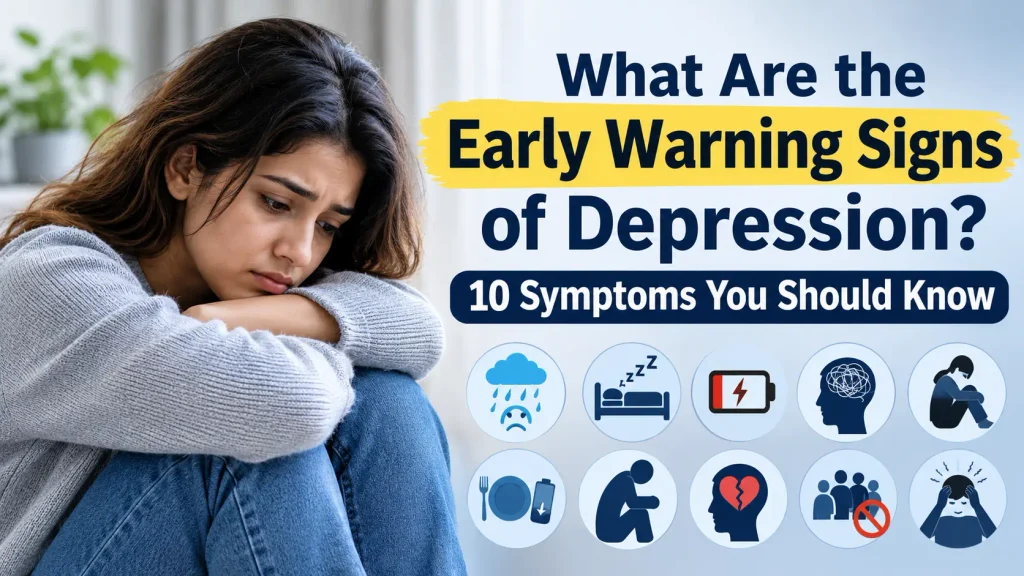
What Are the Early Warning Signs of Depression? 10 Symptoms You Should Know
Depression is more than just feeling sad or having a difficult day. It is a mental health condition that can affect how a person thinks, feels, behaves and manages everyday activities. Many people experience emotional changes due to work pressure, relationship problems, financial difficulties or personal challenges. However, when sadness, loss of interest and other emotional or physical symptoms continue for a prolonged period, they should not be ignored.
Recognising the early warning signs of depression can help individuals seek timely professional support and better understand their mental health. Depression can affect people of different ages, backgrounds and lifestyles. It may develop gradually, making it difficult for individuals and their families to recognise the symptoms in the beginning.
According to the World Health Organization (WHO), depression is a common mental disorder that can affect daily functioning, relationships, education and professional life. The good news is that effective treatment and professional support are available.
In this article, we will explore 10 common symptoms of depression, their possible causes, risk factors, treatment options and practical ways to support emotional well-being.
What Is Depression?
Depression, also known as depressive disorder, is a mental health condition characterised by persistent sadness, reduced interest in activities and changes in emotional and physical well-being.
Unlike temporary sadness, depression may continue for weeks or longer and interfere with a person’s ability to perform normal activities.
People experiencing depression may find it difficult to concentrate, maintain relationships, complete daily responsibilities or enjoy activities they previously loved.
Depression can affect:
- Emotional health and mood
- Sleep patterns and energy levels
- Appetite and body weight
- Memory and concentration
- Personal and professional relationships
- Motivation and everyday activities
Depression is not a sign of weakness, laziness or a lack of willpower. It is a health condition that deserves understanding, attention and appropriate medical care.
For more information, visit the WHO Depression Fact Sheet.
10 Early Warning Signs of Depression
Depression does not look the same in everyone. Some individuals experience emotional symptoms, while others notice physical changes or behavioural differences.
Here are ten important warning signs to understand.
1. Persistent Sadness or Feeling Empty
One of the most commonly recognised symptoms of depression is persistent sadness.
A person may feel unhappy, emotionally exhausted or empty without understanding the exact reason. These feelings may continue even when there is no obvious problem or stressful situation.
Common experiences include:
- Feeling sad most of the day
- Frequent crying or emotional sensitivity
- Feeling hopeless about the future
- Experiencing an unexplained sense of emptiness
- Finding it difficult to feel positive
Some people may not cry or openly express sadness. Instead, they may describe feeling emotionally numb or disconnected.
When these feelings continue and affect everyday functioning, professional assessment is important.
2. Loss of Interest in Activities
Another important warning sign is losing interest in activities that previously brought happiness.
This may include hobbies, exercise, social gatherings, travelling, entertainment or spending time with loved ones.
For example, someone who previously enjoyed meeting friends may begin avoiding social activities. A person who loved reading, music or sports may suddenly lose motivation to participate.
This symptom is sometimes called anhedonia, which refers to a reduced ability to experience pleasure.
Possible signs include:
- Avoiding favourite hobbies
- Losing interest in social activities
- Reduced motivation at work or school
- Feeling disconnected from loved ones
- Not enjoying activities that once felt exciting
Persistent loss of interest should not be dismissed as simply being lazy or uninterested.
3. Changes in Sleeping Habits
Depression can significantly affect sleep patterns.
Some people experience insomnia, while others sleep for longer periods than usual. Even after sleeping, they may wake up feeling tired.
Common sleep-related symptoms include:
- Difficulty falling asleep
- Waking up repeatedly during the night
- Waking earlier than intended
- Sleeping excessively
- Feeling tired after waking up
Sleep disturbances may affect concentration, emotional stability and daily productivity.
Maintaining a consistent sleep schedule can support general well-being, but persistent sleep problems should be discussed with a healthcare professional.
4. Constant Fatigue and Low Energy
Feeling tired occasionally is normal. However, unexplained fatigue that continues despite adequate rest may be associated with depression.
People may feel physically and mentally exhausted, even when they have not performed demanding activities.
You may notice:
- Difficulty getting out of bed
- Feeling tired throughout the day
- Reduced physical activity
- Difficulty completing routine tasks
- Feeling mentally drained
Fatigue can also be related to anaemia, thyroid disorders, sleep conditions, nutritional deficiencies and other medical problems.
Therefore, persistent tiredness should be properly evaluated rather than automatically attributed to depression.
5. Difficulty Concentrating and Making Decisions
Depression may affect concentration, memory and decision-making abilities.
Individuals may struggle to focus on conversations, complete assignments, remember information or make simple everyday decisions.
Some common examples include:
- Difficulty concentrating at work
- Forgetting important tasks
- Taking longer to complete routine activities
- Struggling to make simple decisions
- Feeling mentally confused or distracted
These symptoms may affect professional performance, academic activities and personal responsibilities.
If concentration difficulties persist, consulting a qualified healthcare professional can help identify the underlying cause.
6. Changes in Appetite and Body Weight
Depression may influence eating habits and appetite.
Some individuals lose interest in food and eat less than usual. Others may experience increased appetite or emotional eating.
Possible changes include:
- Reduced appetite
- Eating more frequently than usual
- Unexpected weight loss
- Unexplained weight gain
- Changes in regular eating patterns
These changes may affect physical health and nutritional balance.
It is important to remember that appetite and weight changes can have several causes. A healthcare professional can help determine whether they are related to depression or another medical condition.
7. Feelings of Guilt, Worthlessness or Low Self-Esteem
Depression can influence how people think about themselves.
Individuals may experience excessive guilt, negative thoughts or a feeling that they are not good enough.
They may repeatedly blame themselves for situations beyond their control or believe that they are a burden to others.
Common emotional experiences include:
- Feeling worthless
- Blaming oneself unnecessarily
- Having very low self-confidence
- Feeling like a failure
- Experiencing excessive guilt
These thoughts can become overwhelming and may affect relationships, professional confidence and everyday decisions.
Supportive conversations and professional mental health care can help individuals understand and address these thought patterns.
8. Social Withdrawal and Avoiding People
Some individuals experiencing depression gradually withdraw from family members, friends and social activities.
They may stop responding to messages, avoid gatherings or prefer spending most of their time alone.
Possible behavioural changes include:
- Avoiding conversations
- Cancelling social plans
- Spending more time alone
- Losing interest in meeting friends
- Feeling uncomfortable discussing emotions
Social withdrawal may happen because a person feels exhausted, disconnected or unable to explain what they are experiencing.
Family members and friends should approach the individual with patience rather than criticism. A supportive and non-judgmental conversation can make it easier to seek help.
9. Unexplained Physical Pain and Discomfort
Depression does not affect emotional health alone. It may also be associated with physical symptoms.
Some people experience persistent discomfort without identifying an obvious physical cause.
Possible symptoms include:
- Frequent headaches
- Muscle aches
- General body discomfort
- Digestive problems
- Unexplained physical tiredness
Physical symptoms should always be taken seriously. They may be associated with depression, but they can also indicate other medical conditions.
A proper medical evaluation can help identify the cause and guide appropriate treatment.
10. Hopelessness or Thoughts of Self-Harm
Persistent hopelessness is an important warning sign that requires attention.
A person may feel that their situation will never improve or that there is no solution to their problems.
In severe situations, depression may involve thoughts of death, suicide or self-harm.
Warning signs may include:
- Expressing that life has no purpose
- Feeling like a burden to others
- Talking about wanting to disappear or die
- Expressing hopelessness about the future
- Thinking about self-harm or suicide
These symptoms should never be ignored.
If someone is thinking about suicide or may harm themselves, seek immediate professional help. Do not leave the person alone if there is an immediate safety concern. Contact emergency services or take them to the nearest emergency department.
What Are the Common Causes of Depression?
There is no single cause of depression. It can develop through a combination of biological, psychological and social factors.
Some important contributing factors include:
1. Genetic and Family History
People with a family history of depression may have an increased risk of developing the condition. However, having a family history does not mean someone will definitely experience depression.
2. Chronic Stress
Long-term stress related to employment, financial difficulties, relationships or family responsibilities may contribute to emotional distress and increase vulnerability to depression.
3. Traumatic Life Experiences
Experiences such as abuse, violence, bereavement, major losses or difficult childhood experiences may increase the risk of depression.
4. Certain Medical Conditions
Some chronic illnesses, including diabetes, heart disease and long-term pain conditions, may occur alongside depression.
Certain medications and medical conditions can also cause symptoms that resemble depression.
5. Hormonal and Life Changes
Pregnancy, childbirth, menstrual-related conditions and menopause may be associated with depressive symptoms in some individuals.
Postpartum depression is an important example that requires appropriate medical attention.
6. Alcohol and Substance Use
Excessive alcohol consumption and drug use can worsen emotional health and may increase the risk of depressive symptoms.
When Should You Seek Professional Help?
Everyone experiences occasional sadness, stress or emotional difficulties. However, persistent symptoms that interfere with daily life deserve professional attention.
According to WHO and NIMH information, a depressive episode commonly involves symptoms lasting most of the day, nearly every day, for at least two weeks.
Consider seeking professional help if:
- Sadness or low mood continues for two weeks or longer.
- You lose interest in activities you previously enjoyed.
- Sleep or appetite changes become persistent.
- You struggle to complete everyday responsibilities.
- You experience ongoing hopelessness or excessive guilt.
- Your relationships or professional life are being affected.
You do not need to wait for symptoms to become severe before seeking help.
A psychiatrist, psychologist or qualified healthcare professional can assess symptoms and recommend appropriate care.
How Is Depression Diagnosed?
Depression cannot be confirmed through a single blood test or by identifying one symptom.
A healthcare professional generally evaluates:
- The type of symptoms experienced
- How long the symptoms have continued
- How frequently they occur
- Their impact on daily activities
- Personal and family medical history
- Other possible medical or psychological conditions
A professional may also use recognised screening questionnaires as part of the assessment.
Certain medical conditions, including thyroid disorders and other health problems, can produce similar symptoms. The healthcare provider may recommend additional tests when clinically appropriate.
Self-diagnosis should be avoided because several conditions can produce overlapping symptoms.
What Are the Treatment Options for Depression?
Depression is treatable, and the appropriate treatment depends on the individual’s symptoms, severity, medical history and personal circumstances.
Common treatment approaches include:
1. Psychological Therapy
Psychological treatments can help people understand their emotions, identify negative thought patterns and develop healthier coping strategies.
Some recognised approaches include:
- Cognitive Behavioural Therapy (CBT)
- Interpersonal Therapy (IPT)
- Behavioural Activation
- Problem-Solving Therapy
A qualified mental health professional can determine which approach may be suitable.
2. Medication Under Medical Supervision
Antidepressant medicines may be recommended in certain cases, particularly when symptoms are moderate or severe.
The choice of medicine depends on several individual factors. These medicines should only be used under the supervision of a qualified medical professional.
Never start, stop or change antidepressant medication without consulting the prescribing doctor.
3. Lifestyle and Daily Routine Support
Healthy daily habits may support overall emotional well-being and complement professional treatment.
Helpful habits may include:
- Maintaining a regular sleep schedule
- Participating in suitable physical activity
- Eating balanced and nutritious meals
- Staying connected with supportive people
- Reducing alcohol consumption
- Practising relaxation techniques
- Spending time on enjoyable activities
Lifestyle changes are supportive measures, not substitutes for professional depression treatment.
How Can You Support Someone Experiencing Depression?
Supporting a person with depression requires patience, understanding and empathy.
Here are some practical ways to help:
Listen without judging: Allow the individual to express their feelings without criticism or unnecessary advice.
Encourage professional support: Suggest speaking with a qualified psychologist, psychiatrist or healthcare provider.
Stay connected: Regular conversations and simple check-ins can help someone feel less isolated.
Avoid negative comments: Statements such as “just think positively” or “stop overthinking” may make the person feel misunderstood.
Offer practical assistance: Help with everyday activities if the person is struggling to manage their routine.
Take safety concerns seriously: If someone mentions suicide or self-harm, seek urgent professional assistance.
Can Depression Be Prevented?
Depression cannot always be prevented. However, certain practices may support mental well-being and help people manage stress.
Consider the following habits:
- Maintain regular sleep and wake-up times.
- Participate in regular physical activity.
- Eat balanced meals and maintain healthy routines.
- Build supportive relationships.
- Discuss emotional difficulties rather than suppressing them.
- Avoid excessive alcohol and recreational drugs.
- Seek professional help when symptoms persist.
These habits can support general health but do not guarantee prevention.
Frequently Asked Questions About Depression
1. What are the first warning signs of depression?
Early warning signs may include persistent sadness, loss of interest, low energy, sleep disturbances, appetite changes, difficulty concentrating and feelings of hopelessness. Symptoms vary between individuals.
2. How long do depression symptoms last?
Depressive episodes commonly involve symptoms lasting most of the day, nearly every day, for at least two weeks. Some people experience symptoms for much longer. A healthcare professional can assess the situation.
3. Can depression cause physical symptoms?
Yes. Depression may be associated with fatigue, headaches, body aches, digestive discomfort and changes in sleep or appetite. However, physical symptoms should also be evaluated for other possible medical causes.
4. What is the difference between sadness and depression?
Sadness is a normal human emotion that often improves with time or changing circumstances. Depression is a health condition involving persistent emotional and other symptoms that can interfere with daily functioning.
5. Can depression affect sleep?
Yes. Depression may cause difficulty falling asleep, frequent waking, early morning awakening or excessive sleeping.
6. Can depression affect appetite?
Yes. Some individuals experience reduced appetite, while others eat more than usual. Changes in appetite and body weight can be associated with depression.
7. Is depression treatable?
Yes. Effective treatments include psychological therapies and, when appropriate, medication prescribed by a qualified healthcare professional. Early assessment can help people access suitable care.
8. When should someone see a doctor for depression?
Seek professional advice when symptoms persist, become severe or interfere with daily activities. Do not delay help if thoughts of suicide or self-harm occur.
9. Can exercise help with depression?
Regular physical activity may support mental well-being and can be part of a broader treatment plan. However, exercise alone should not replace professional care when depression is present.
10. Can depression occur without an obvious reason?
Yes. Depression can develop through a combination of biological, psychological and environmental factors. A person does not need to experience a major stressful event to develop depression.
Final Thoughts
Recognising the early warning signs of depression is an important step towards better mental health awareness. Persistent sadness, loss of interest, sleep disturbances, fatigue, appetite changes, difficulty concentrating and hopelessness are symptoms that deserve attention.
Depression can affect people from all walks of life, but it is not something anyone needs to face alone. Professional assessment, appropriate treatment, emotional support and healthy daily habits can make a meaningful difference.
If you or someone you know is experiencing persistent depressive symptoms, speak with a qualified healthcare professional. Early support can help individuals understand their condition and explore suitable treatment options.
At Krone Biocare, we believe that health awareness and access to reliable health information are important parts of overall well-being. Continue learning about health, nutrition and wellness through our educational articles.
Medical Disclaimer
This article is intended for general educational and health-awareness purposes only. It does not provide a medical diagnosis or replace professional medical advice, psychological counselling or treatment. Depression should be assessed by a qualified healthcare professional. Do not start, stop or change any medication without consulting your doctor. If you or someone else is at immediate risk of self-harm or suicide, seek emergency medical assistance immediately.
References and Further Reading
- World Health Organization (WHO) – Depression: Fact Sheet
- National Institute of Mental Health (NIMH) – Depression
- NHS – Symptoms of Depression in Adults
- WHO India – Depression
- SAMHSA – What Is Depression?