
Why Is My Cholesterol High? Common Causes and Prevention
Have you recently received a blood test report showing high cholesterol? You may be wondering why your cholesterol levels are elevated, even if you feel healthy and do not experience any noticeable symptoms.
High cholesterol is a common health concern that can develop because of dietary habits, physical inactivity, excess body weight, genetics, certain medical conditions, or a combination of these factors. Understanding the underlying cause is an important first step toward protecting your heart and maintaining long-term health.
Cholesterol is not inherently harmful. Your body needs it to build cells, produce certain hormones, and support other essential functions. However, having too much low-density lipoprotein (LDL) cholesterol in your blood can contribute to fatty deposits in your arteries and increase your risk of heart disease and stroke.
In this article, we explain why cholesterol levels become high, the common risk factors, how to recognize the importance of cholesterol testing, and practical ways to help maintain healthier cholesterol levels.
What Is Cholesterol?
Cholesterol is a waxy, fat-like substance found in your blood and cells. Your liver produces most of the cholesterol your body needs, and you also obtain some from animal-based foods.
Because cholesterol does not dissolve in blood, it travels through the bloodstream in particles called lipoproteins.
The two main types are LDL and HDL cholesterol.
1. LDL Cholesterol: The Bad Cholesterol
Low-density lipoprotein, commonly known as LDL cholesterol, transports cholesterol through your bloodstream.
When LDL cholesterol levels are too high, cholesterol can accumulate in artery walls and contribute to plaque formation. Over time, this plaque can narrow arteries and increase the risk of cardiovascular disease.
For this reason, LDL cholesterol is often called bad cholesterol.
2. HDL Cholesterol: The Good Cholesterol
High-density lipoprotein, or HDL cholesterol, helps transport cholesterol from tissues toward the liver for processing and removal.
HDL is often called good cholesterol because higher levels are generally associated with a more favorable cardiovascular risk profile.
However, HDL is only one part of the picture. A high HDL level does not completely cancel out the risks associated with elevated LDL cholesterol.
3. Triglycerides
Triglycerides are another type of fat found in your blood. Your body uses them to store energy.
High triglyceride levels can occur alongside low HDL cholesterol or elevated LDL cholesterol. This combination may increase cardiovascular risk, particularly when other risk factors are present.
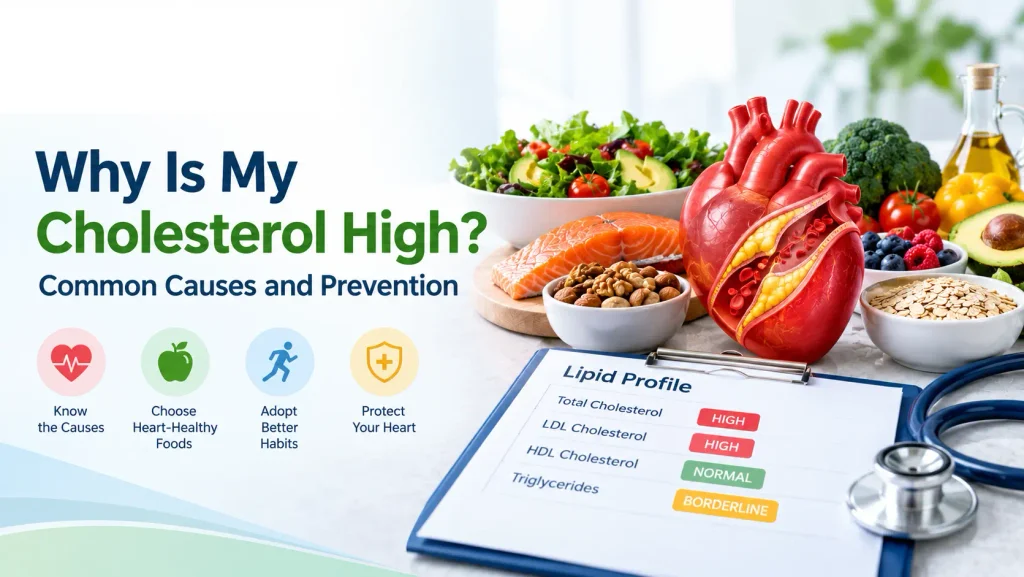
A lipid profile usually measures total cholesterol, LDL cholesterol, HDL cholesterol, and triglycerides.
Why Is My Cholesterol High? 10 Common Causes
High cholesterol does not always result from eating too much fatty food. Several lifestyle, genetic, and medical factors can influence your cholesterol levels.
1. Eating Too Much Saturated Fat
Your daily diet can significantly influence LDL cholesterol levels.
Foods containing high amounts of saturated fat may increase LDL cholesterol, particularly when they are eaten frequently or replace healthier sources of unsaturated fat.
Common sources include:
- Butter and ghee
- Fatty cuts of meat
- Full-fat dairy products
- Cream and certain cheeses
- Palm oil and coconut oil
- Bakery products containing high amounts of saturated fat
You do not necessarily need to eliminate every food containing fat. Instead, focus on the overall quality of your diet.
Consider replacing some saturated fats with unsaturated fats from nuts, seeds, vegetable oils, and other suitable foods.
2. Not Getting Enough Physical Activity
A sedentary lifestyle can contribute to an unfavorable cholesterol profile and increase the likelihood of weight gain.
Regular physical activity can help improve overall cardiovascular health, support weight management, and improve triglyceride and HDL cholesterol levels.
If you spend most of your day sitting at a desk, driving, or watching television, your daily activity may be lower than your body needs.
What you can do:
- Take regular walking breaks during the day.
- Choose brisk walking, cycling, or swimming.
- Use stairs when practical.
- Include muscle-strengthening activities in your weekly routine.
- Gradually increase activity if you are currently inactive.
For many adults, a useful general target is at least 150 minutes of moderate-intensity aerobic activity per week, adjusted to individual health and fitness levels.
3. Being Overweight or Having Excess Abdominal Fat
Excess body fat can affect how your body processes fats in the bloodstream.
It is often associated with higher triglycerides, higher LDL cholesterol, and lower HDL cholesterol, although the pattern differs among individuals.
Abdominal fat may also be associated with insulin resistance, high blood pressure, and type 2 diabetes, all of which can contribute to cardiovascular risk.
If weight management is appropriate for you, gradual and sustainable changes may help.
Focus on balanced meals, regular physical activity, adequate sleep, and consistent habits rather than extreme diets or rapid weight-loss plans.
4. Family History and Genetic Factors
Sometimes cholesterol remains high even when a person follows a balanced diet and exercises regularly.
One possible explanation is genetics.
An inherited condition called familial hypercholesterolemia can cause very high LDL cholesterol levels, sometimes beginning in childhood or early adulthood.
You may be more likely to have an inherited cholesterol problem if close relatives have high cholesterol or experienced heart attacks or other cardiovascular problems at a relatively young age.
Lifestyle changes remain important, but they may not be enough to manage genetically elevated cholesterol.
If high cholesterol runs in your family, discuss appropriate testing and treatment with a healthcare professional.
5. Eating Too Few Fiber-Rich Foods
Dietary fiber supports digestive health, and certain types of soluble fiber can help reduce LDL cholesterol.
Soluble fiber forms a gel-like substance in the digestive tract that can reduce the absorption of cholesterol and bile acids.
Diets that contain few whole grains, legumes, fruits, and vegetables may provide less of this beneficial fiber.
Foods that contain soluble fiber include:
- Oats and barley
- Beans and lentils
- Chickpeas
- Apples and pears
- Citrus fruits
- Certain seeds
Try adding these foods gradually to your meals. Increase fiber intake alongside adequate fluids, especially if your current diet is low in fiber.
6. Smoking and Tobacco Use
Smoking damages blood vessels and increases cardiovascular risk. It may also contribute to lower HDL cholesterol levels.
When blood vessels are damaged, plaque buildup and other processes associated with cardiovascular disease become more concerning.
Quitting smoking is one of the most important steps you can take to protect your heart, even if your cholesterol levels are not particularly high.
Avoiding tobacco and seeking professional support to quit can improve your overall cardiovascular health.
7. Diabetes and Insulin Resistance
Diabetes and insulin resistance can affect how your body manages fats in the bloodstream.
People with type 2 diabetes may have elevated triglycerides, lower HDL cholesterol, and cholesterol particles associated with increased cardiovascular risk.
This pattern can occur even when total cholesterol does not appear dramatically elevated.
If you have diabetes or prediabetes, managing blood glucose, maintaining a suitable diet, staying physically active, and following your prescribed treatment plan are important parts of cardiovascular risk reduction.
Your healthcare professional can help determine appropriate cholesterol targets based on your overall risk.
8. Certain Medical Conditions
Some health conditions can contribute to elevated cholesterol levels.
Examples include:
- Hypothyroidism: An underactive thyroid can reduce the body’s ability to clear LDL cholesterol efficiently.
- Chronic kidney disease: Kidney problems may affect lipid metabolism.
- Certain liver conditions: Some liver disorders can alter cholesterol levels.
- Metabolic conditions: Insulin resistance and related metabolic changes can affect triglycerides and other blood lipids.
If cholesterol rises unexpectedly or remains elevated despite lifestyle changes, your healthcare professional may investigate possible underlying conditions.
Treating the underlying problem can be an important part of cholesterol management.
9. Certain Medicines
Some medicines can influence cholesterol or triglyceride levels.
Depending on the medicine and individual circumstances, these may include certain corticosteroids, some diuretics, particular hormone treatments, and certain other prescription medicines.
This does not mean that you should stop taking a prescribed medicine if your cholesterol is high.
Instead, discuss your test results and current medicines with your healthcare professional. They can determine whether a medicine may be contributing and whether an alternative is appropriate.
10. Age and Hormonal Changes
Cholesterol levels can change as people grow older.
In many individuals, LDL cholesterol tends to increase with age because the body’s cholesterol processing and clearance can change over time.
Hormonal changes associated with menopause can also influence cholesterol levels in some women.
However, high cholesterol is not simply an unavoidable consequence of aging. Diet, physical activity, genetics, underlying health conditions, and treatment all influence an individual’s risk.
People of different ages may benefit from cholesterol screening based on their medical history and cardiovascular risk factors.
Does High Cholesterol Cause Symptoms?
One of the most important things to understand about high cholesterol is that it usually causes no noticeable symptoms.
You may feel completely normal while your LDL cholesterol remains elevated.
This is why cholesterol is often described as a silent risk factor. A person may not discover the problem until a routine blood test or an investigation for another health concern.
Over time, persistently elevated LDL cholesterol can contribute to plaque buildup in arteries, a process known as atherosclerosis.
Depending on which arteries are affected, this can increase the risk of:
- Coronary artery disease
- Heart attack
- Stroke
- Peripheral artery disease
Do not rely on headaches, fatigue, dizziness, or other general symptoms to determine whether your cholesterol is high. A blood test is needed to assess cholesterol levels.
How Do You Know If Your Cholesterol Is High?
A lipid profile, also called a lipid panel, measures different types of fats in your blood.
The test usually includes total cholesterol, LDL cholesterol, HDL cholesterol, and triglycerides.
Results are commonly reported in milligrams per deciliter (mg/dL) in India.
The following figures are general reference points, not individualized treatment targets:
| Test | General reference point |
|---|---|
| Total cholesterol | Below 200 mg/dL is generally considered desirable for adults |
| LDL cholesterol | Below 100 mg/dL is often considered optimal for many adults |
| HDL cholesterol | Higher levels are generally favorable, but context matters |
| Triglycerides | Below 150 mg/dL is generally considered normal for adults |
The best LDL cholesterol target depends on your overall cardiovascular risk, including whether you have diabetes, established cardiovascular disease, kidney disease, or other risk factors.
Your healthcare professional may recommend a different target if you are at high or very high risk.
Depending on your circumstances, a lipid profile may be performed without fasting or after fasting. Follow the instructions provided by your healthcare professional or laboratory.
10 Practical Ways to Help Prevent High Cholesterol
Healthy habits can help reduce the risk of developing high cholesterol and support its management.
If your cholesterol is already elevated, lifestyle changes may be recommended alongside medication, depending on your test results and overall cardiovascular risk.
1. Choose Heart-Healthy Foods
Build meals around vegetables, fruits, whole grains, legumes, and suitable sources of protein.
Choose foods that contain healthier unsaturated fats instead of frequently consuming foods rich in saturated fats.
For example, consider replacing some butter or ghee with an appropriate vegetable oil, while keeping overall oil intake moderate.
2. Eat More Soluble Fiber
Soluble fiber can help lower LDL cholesterol when included regularly as part of a suitable diet.
Useful options include oats, barley, beans, lentils, chickpeas, apples, and pears.
A bowl of oats for breakfast or a serving of dal with whole grains can be simple additions to an Indian-style eating pattern.
3. Reduce Deep-Fried and Highly Processed Foods
Frequently eating foods high in saturated fat, trans fat, and excess calories may make cholesterol management more difficult.
Try to limit frequent consumption of deep-fried snacks, packaged bakery products, processed meats, and other foods high in unhealthy fats.
Prefer home-cooked meals using suitable cooking methods, such as steaming, baking, grilling, or sautéing with moderate amounts of oil.
4. Exercise Regularly
Physical activity supports heart health and can help improve triglyceride levels, HDL cholesterol, and weight management.
Start with activities you can maintain consistently, such as brisk walking or cycling.
If you have a chronic medical condition or have been inactive for a long time, ask a healthcare professional how to begin safely.
5. Maintain a Healthy Weight
If you have excess body weight, gradual weight loss may help improve your lipid profile and reduce other cardiovascular risk factors.
Avoid extreme dieting. A sustainable plan based on balanced nutrition, physical activity, and realistic goals is generally more practical for long-term health.
6. Avoid Smoking
Quitting smoking helps protect blood vessels and lowers cardiovascular risk.
If you use tobacco, ask a healthcare professional about evidence-based quitting support.
7. Limit Alcohol
Alcohol can raise triglyceride levels, especially when consumed in excess.
If you drink alcohol, discuss appropriate limits with your healthcare professional. Avoid alcohol if medically advised or if it is unsafe because of your health conditions or medicines.
8. Manage Diabetes and Blood Pressure
High cholesterol often occurs alongside diabetes or high blood pressure.
Managing these conditions together can reduce overall cardiovascular risk.
Follow your prescribed treatment plan, attend recommended checkups, and discuss any concerns about your medicines with your healthcare professional.
9. Get Your Cholesterol Checked
Regular screening helps identify elevated cholesterol before complications develop.
How often you need testing depends on your age, previous results, family history, medical conditions, and other cardiovascular risk factors.
People with diabetes, inherited cholesterol disorders, or established cardiovascular disease may need more frequent monitoring.
10. Follow Medical Advice About Treatment
Lifestyle changes are valuable, but they do not replace medication when medication is medically indicated.
Depending on your LDL cholesterol level and cardiovascular risk, a clinician may recommend a statin or another cholesterol-lowering medicine.
Do not stop or change prescribed treatment without discussing it with your healthcare professional.
Foods That May Help Support Healthy Cholesterol Levels
No single food can guarantee normal cholesterol, but certain foods can support a heart-healthy eating pattern.
Oats and barley: Provide soluble fiber that can help lower LDL cholesterol.
Beans and lentils: Supply fiber and plant-based protein and can replace some foods high in saturated fat.
Nuts: Almonds, walnuts, and other unsalted nuts provide unsaturated fats, fiber, and other nutrients. Choose moderate portions.
Fruits and vegetables: Provide fiber, vitamins, minerals, and other beneficial plant compounds.
Soy foods: Tofu, soybeans, and other minimally processed soy foods can provide plant-based protein.
Fish: Certain fish provide unsaturated fats, including omega-3 fatty acids, which can help lower triglycerides.
Unsaturated vegetable oils: Oils such as olive, canola, and other suitable unsaturated oils can replace some saturated fats when used in moderation.
Remember that overall dietary patterns matter more than any single ingredient. Foods marketed as heart healthy should not be treated as substitutes for appropriate medical care.
When Should You Consult a Doctor?
Arrange a medical appointment if your blood test shows elevated cholesterol, particularly if you also have diabetes, high blood pressure, kidney disease, or a family history of early cardiovascular disease.
You should also discuss testing if you have a close relative with very high cholesterol or a history of a heart attack at a young age.
Seek prompt medical advice if your cholesterol is markedly elevated or remains high despite lifestyle changes. Your healthcare professional can evaluate potential underlying causes and determine whether medication is appropriate.
Important: If you experience chest pain or pressure, sudden difficulty breathing, fainting, or sudden weakness or difficulty speaking, seek emergency medical attention. Do not assume these symptoms are caused by cholesterol alone.
Frequently Asked Questions About High Cholesterol
1. Why is my cholesterol high even though I eat healthy?
High cholesterol can result from genetics, age, an underactive thyroid, certain medicines, diabetes, kidney disease, and other factors. A healthy diet is beneficial, but it does not eliminate every cause of elevated cholesterol.
2. Can high cholesterol occur without symptoms?
Yes. High cholesterol usually does not cause noticeable symptoms. A lipid profile is the most reliable way to identify elevated cholesterol levels.
3. Which foods should I reduce if my cholesterol is high?
Consider limiting foods high in saturated fats, including fatty meats, butter, ghee, cream, and certain bakery products. Replacing some saturated fats with unsaturated fats and eating more fiber-rich foods may help improve LDL cholesterol.
4. Can walking help lower cholesterol?
Regular walking can support cardiovascular health and improve aspects of your lipid profile, particularly triglycerides and HDL cholesterol. It is most beneficial when combined with a balanced diet and other healthy habits.
5. Is high cholesterol always caused by an unhealthy diet?
No. Genetics, medical conditions, medicines, age, and hormonal changes can all contribute. Some people need medication even when they follow a healthy lifestyle.
6. Can high cholesterol be controlled naturally?
Lifestyle changes can improve cholesterol levels and cardiovascular health. However, some people require medication because of their LDL cholesterol level, inherited conditions, or overall risk. Do not delay recommended treatment while trying unproven remedies.
7. How often should I check my cholesterol?
The recommended frequency depends on your age, previous results, medical history, and cardiovascular risk. Ask your healthcare professional to establish an appropriate screening schedule.
8. Does high HDL cholesterol mean I do not need to worry about LDL?
No. Although HDL is associated with a more favorable cardiovascular risk profile, a high HDL level does not eliminate the risks associated with elevated LDL cholesterol. Both should be interpreted in the context of your overall health.
Conclusion
High cholesterol can develop for many reasons, including dietary habits, physical inactivity, excess body weight, genetics, certain medicines, and underlying medical conditions.
Although high cholesterol usually causes no symptoms, persistently elevated LDL cholesterol can contribute to plaque buildup in arteries and increase the risk of heart attack and stroke.
The good news is that many people can improve their cholesterol management through a combination of heart-healthy eating, regular physical activity, weight management when appropriate, tobacco avoidance, and routine medical monitoring.
If your cholesterol is high, focus on identifying the underlying cause rather than relying on symptoms or unproven remedies. A healthcare professional can help interpret your lipid profile and determine whether lifestyle changes, medication, or both are appropriate.
At Krone Biocare, we believe that reliable health education can help people make informed decisions about nutrition, prevention, and overall wellbeing. Explore our website for more educational articles on healthy living and healthcare.
Medical disclaimer: This article is intended for general educational purposes only. It does not replace professional medical advice, diagnosis, or treatment.
References for Further Reading
- Centers for Disease Control and Prevention (CDC): About Cholesterol — https://www.cdc.gov/cholesterol/about/
- CDC: Risk Factors for High Cholesterol — https://www.cdc.gov/cholesterol/risk-factors/
- CDC: Preventing High Cholesterol — https://www.cdc.gov/cholesterol/prevention/
- NHS: High Cholesterol — https://www.nhs.uk/conditions/high-cholesterol/
- NHS: How to Lower Your Cholesterol — https://www.nhs.uk/conditions/high-cholesterol/how-to-lower-your-cholesterol/