
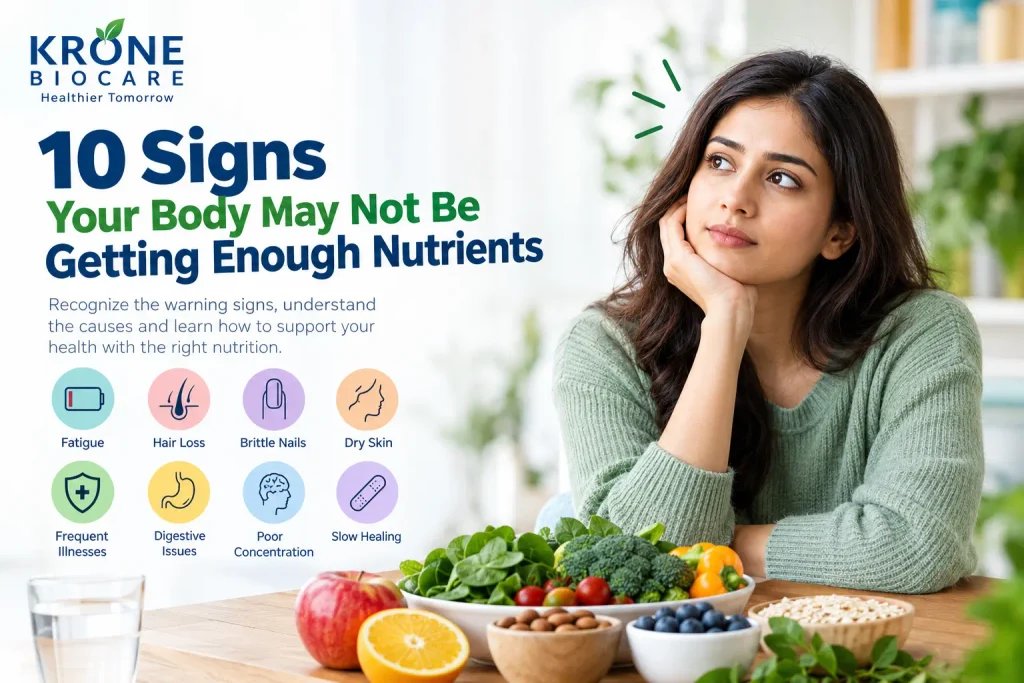
10 Signs Your Body May Not Be Getting Enough Nutrients
Your body needs a variety of vitamins, minerals, protein, healthy fats, carbohydrates, and other essential nutrients to function properly. These nutrients support energy production, immune function, muscle health, bone strength, healthy skin, and normal brain function.
However, a busy lifestyle, an unbalanced diet, restrictive eating habits, or certain medical conditions can make it difficult to obtain or absorb enough nutrients. Over time, inadequate nutrient intake may contribute to nutritional deficiencies that affect your overall well-being.
Recognizing the signs of nutrient deficiency early can help you identify possible nutritional problems and take appropriate steps to improve your diet.
Some signs of nutrient deficiency may be subtle, such as persistent tiredness, brittle nails, or difficulty concentrating. Others, including unexplained weight loss, numbness, or slow wound healing, may require medical attention.
It is important to remember that these symptoms do not automatically mean you have a vitamin or mineral deficiency. Several health conditions can produce similar signs of nutrient deficiency, so proper evaluation is essential.
In this guide, we explore 10 possible signs that your body may not be getting enough nutrients, common nutritional factors associated with them, and practical ways to support a balanced diet.
What Is a Nutrient Deficiency?
A nutrient deficiency occurs when the body does not receive or absorb enough of a particular nutrient to meet its needs. Depending on the nutrient involved and the severity of the deficiency, this can affect different body functions.
For example, iron is needed to make hemoglobin, which carries oxygen in the blood. Vitamin B12 supports healthy blood cells and nerve function, while vitamin D helps the body absorb calcium and maintain healthy bones.
Nutrient deficiencies can develop because of:
- Limited dietary variety or inadequate food intake.
- Diets that exclude important food groups without suitable alternatives.
- Increased nutritional requirements during certain life stages.
- Digestive conditions that interfere with nutrient absorption.
- Certain medications or long-term medical conditions.
- Poor appetite or difficulty maintaining an adequate diet.
The signs of a deficiency depend on the nutrient involved. Some deficiencies may develop gradually, and symptoms can remain unnoticed for a long time.
10 Signs Your Body May Not Be Getting Enough Nutrients
1. Persistent Fatigue and Low Energy
Feeling tired after a demanding day is normal. However, persistent fatigue that does not improve with adequate sleep and rest may deserve further investigation.
Iron, vitamin B12, folate, and other nutrients contribute to normal blood cell production and energy metabolism. When certain nutrients are lacking, the body may struggle to perform these functions efficiently.
Iron deficiency can lead to iron-deficiency anemia, which reduces the blood’s ability to transport oxygen effectively. Vitamin B12 or folate deficiency can also contribute to anemia.
Possible accompanying symptoms include:
- Unusual weakness or exhaustion.
- Difficulty concentrating.
- Dizziness or lightheadedness.
- Reduced exercise tolerance.
- Shortness of breath during activity.
Foods to consider: Lentils, beans, leafy green vegetables, eggs, dairy products, meat, fish, and fortified foods can help provide different nutrients involved in normal body function.
If fatigue persists, consult a healthcare professional rather than assuming that you need a multivitamin. Anemia, thyroid disorders, sleep problems, and other conditions can also cause fatigue.
2. Hair Thinning or Increased Hair Fall
Hair shedding can occur naturally, but noticeable thinning or excessive hair loss may sometimes be associated with nutritional problems.
Protein provides the building blocks needed for hair growth. Inadequate protein intake, insufficient iron, and severe calorie restriction can contribute to hair loss in some individuals.
Other factors, including genetics, hormonal changes, thyroid disorders, illness, stress, and certain medications, may also affect hair growth.
Nutrients that may be relevant include:
- Iron: Supports hemoglobin production and oxygen transport.
- Protein: Supplies amino acids needed to build hair.
- Zinc: Supports normal cell growth and tissue repair.
- Vitamin B12: Supports normal blood cell and nervous system function.
Foods to consider: Eggs, dairy products, legumes, nuts, seeds, fish, and other protein-rich foods can contribute to a balanced diet.
Avoid taking high-dose hair supplements without professional advice. Excessive amounts of certain nutrients can be harmful and may even worsen hair loss.
If hair loss is sudden, severe, patchy, or persistent, seek medical evaluation to identify the underlying cause.
3. Brittle Nails or Changes in Nail Appearance
Healthy nails require adequate nutrition, but nail changes can have many explanations.
Nails that break easily, become unusually thin, or develop changes in shape may sometimes be associated with iron deficiency or inadequate overall nutrition.
For example, spoon-shaped nails can occur in some people with iron-deficiency anemia, although this is not a reliable way to diagnose the condition.
Other possible causes include repeated exposure to water or chemicals, nail trauma, skin conditions, and thyroid problems.
What you can do:
- Include protein-rich foods in your regular meals.
- Eat iron-containing foods such as lentils, beans, and meat.
- Combine plant-based iron sources with vitamin C-rich foods.
- Avoid unnecessary supplements unless a deficiency has been identified.
Vitamin C-rich foods such as guava, oranges, tomatoes, and bell peppers can help improve the absorption of non-heme iron from plant foods.
Persistent nail changes, especially when accompanied by fatigue or pale skin, should be discussed with a healthcare professional.
4. Dry Skin, Cracked Lips, or Changes in Skin Health
Skin naturally changes with age, weather, sun exposure, and personal care habits. However, some skin and mouth changes may also be associated with nutritional deficiencies.
Inadequate intake of certain nutrients, including essential fatty acids and some vitamins, can affect normal skin function. Deficiencies involving B vitamins may sometimes contribute to changes around the mouth or tongue.
Cracked lips, dry skin, and mouth sores are not specific signs of a nutrient deficiency. Dehydration, irritation, allergies, infections, and other conditions can cause similar symptoms.
Nutrients involved in normal skin health include:
- Vitamin A, which supports normal skin and tissue maintenance.
- Vitamin C, which is needed for collagen formation.
- Essential fatty acids, which contribute to normal cell function.
- Zinc, which supports tissue growth and wound healing.
- B vitamins, which help the body carry out normal metabolic processes.
Foods to consider: Fruits, vegetables, nuts, seeds, legumes, whole grains, and suitable protein sources provide a range of nutrients that support overall health.
If skin changes persist or are accompanied by other unexplained symptoms, a medical assessment may help determine whether nutrition is involved.
5. Frequent Illnesses or Slow Recovery
The immune system relies on many nutrients to function normally. Inadequate intake of certain vitamins, minerals, and protein can impair immune function, particularly when the deficiency is significant.
However, catching a cold frequently does not necessarily mean that you have a nutritional deficiency. Exposure to infections, sleep quality, stress, age, and underlying medical conditions can all influence how often you become ill.
Nutrients that support normal immune function include vitamin A, vitamin C, vitamin D, zinc, and protein.
Practical ways to support immune health:
- Eat a variety of fruits and vegetables.
- Include protein sources in your meals.
- Get sufficient sleep and regular physical activity.
- Follow appropriate vaccination and hygiene recommendations.
- Avoid smoking and excessive alcohol consumption.
A balanced diet is generally the best starting point for meeting your nutritional needs. Taking large doses of vitamins or minerals does not necessarily strengthen immunity and may cause harm.
If you experience unusually frequent, severe, or prolonged infections, consult a healthcare professional.
6. Mouth Ulcers, a Sore Tongue, or Cracks at the Corners of the Mouth
Changes in the mouth can sometimes provide clues about nutritional health.
Recurrent mouth ulcers, a painful or unusually smooth tongue, and cracks at the corners of the mouth may be associated with deficiencies involving iron, vitamin B12, folate, or other nutrients.
Vitamin B12 deficiency can also cause neurological symptoms, including tingling or numbness in the hands and feet. These symptoms require timely assessment because untreated deficiency can cause lasting nerve damage.
Nevertheless, mouth ulcers and tongue irritation may also result from trauma, infections, dental problems, or other medical conditions.
Nutritional steps to consider:
- Include iron-rich foods such as beans, lentils, and suitable animal foods.
- Eat folate-containing foods, including leafy green vegetables and legumes.
- Include reliable vitamin B12 sources, such as dairy products, eggs, fish, meat, or fortified foods.
- Seek advice about suitable fortified foods or supplementation if your diet excludes animal products.
If mouth symptoms keep returning, do not rely on appearance alone to identify the cause. A healthcare professional can assess your symptoms and recommend appropriate tests.
7. Tingling or Numbness in the Hands and Feet
Tingling, numbness, or a pins-and-needles sensation can have several causes. One important nutritional cause is vitamin B12 deficiency.
Vitamin B12 is essential for normal nervous system function. If a deficiency remains untreated, nerve-related symptoms can develop and may sometimes become permanent.
Other possible causes of tingling include diabetes, nerve compression, certain medications, and other neurological conditions.
Signs that deserve attention include:
- Persistent tingling in the fingers or toes.
- Reduced sensation in the hands or feet.
- Balance difficulties.
- Unexplained weakness.
- Changes in memory or concentration alongside other symptoms.
Vitamin B12 is naturally present in foods such as fish, meat, eggs, and dairy products. Some fortified foods also provide it.
People following vegan diets may need a reliable source of vitamin B12 from fortified foods or supplements. People with absorption problems may need medical treatment even if their diet appears adequate.
Do not ignore persistent numbness or tingling. Seek medical evaluation to identify the cause. Sudden numbness or weakness, particularly on one side of the body, requires emergency assessment.
8. Muscle Weakness or Reduced Physical Performance
Muscles need protein, energy, fluids, and electrolytes to function normally.
If your diet does not provide enough energy or protein, you may find it harder to maintain muscle mass and recover from physical activity. Deficiencies involving certain nutrients may also contribute to weakness or impaired muscle function.
However, muscle weakness can result from inactivity, illness, medication effects, neurological conditions, or other causes.
To support normal muscle function:
- Include protein sources such as lentils, beans, dairy products, eggs, fish, or meat.
- Eat enough overall food to meet your energy needs.
- Include fruits and vegetables for vitamins and minerals.
- Drink fluids regularly, especially during exercise or hot weather.
- Increase physical activity gradually according to your ability.
People who exercise regularly may benefit from planning meals that provide sufficient protein and energy throughout the day.
If weakness is persistent, worsening, or unexplained, consult a healthcare professional rather than starting multiple supplements.
9. Difficulty Seeing Clearly in Low Light
Difficulty seeing in dim lighting can sometimes be associated with vitamin A deficiency.
Vitamin A is important for normal vision, immune function, and the maintenance of tissues. A significant deficiency can affect the eyes and may lead to night blindness.
However, difficulty seeing in low light may also be caused by eye conditions that are unrelated to nutrition.
Foods that provide vitamin A or its precursors include:
- Carrots.
- Sweet potatoes.
- Pumpkin.
- Dark green leafy vegetables.
- Eggs and dairy products.
- Fish and other suitable animal foods.
Orange and dark green vegetables provide carotenoids that the body can convert into vitamin A.
Do not take high-dose vitamin A supplements without medical advice. Excess vitamin A can be harmful, and high doses are particularly concerning during pregnancy.
If you notice new or worsening vision problems, arrange an eye examination and medical evaluation.
10. Slow Wound Healing or Unexplained Weight Loss
Wounds need adequate nutrition to heal. Protein, vitamin C, zinc, and other nutrients contribute to normal tissue repair and recovery.
If your diet is consistently inadequate, the healing process may be affected. However, slow wound healing can also be associated with diabetes, poor circulation, infections, and other medical conditions.
Unintentional weight loss is another symptom that deserves attention. It may occur when someone is not eating enough, but it can also signal an underlying medical problem.
Nutrients involved in tissue repair include:
- Protein: Provides amino acids for tissue maintenance and repair.
- Vitamin C: Supports collagen formation.
- Zinc: Contributes to normal cell division and wound healing.
- Energy and other nutrients: Help support the body’s recovery processes.
Practical steps:
- Eat regular, balanced meals.
- Include protein-rich foods throughout the day.
- Eat a variety of vegetables and fruits.
- Seek medical advice for wounds that do not heal as expected.
- Get unexplained weight loss assessed rather than attributing it to a dietary deficiency.
A wound that becomes increasingly red, swollen, painful, or produces pus may be infected and requires prompt medical attention.
How to Improve Your Nutritional Intake Naturally
If you are concerned about nutrient deficiencies, start by reviewing your eating habits and ensuring that your diet includes a variety of nutrient-rich foods.
1. Eat a Balanced Diet
Build meals around vegetables, fruits, whole grains, protein-rich foods, and appropriate sources of healthy fats. Variety helps provide a wider range of essential nutrients.
2. Include Protein in Your Daily Meals
Protein supports muscle maintenance, tissue repair, and many other body functions. Suitable sources include pulses, beans, dairy products, eggs, fish, meat, soy products, and nuts.
3. Eat a Variety of Fruits and Vegetables
Different fruits and vegetables provide different vitamins, minerals, fiber, and other beneficial compounds. Try to include a range of colors and types across your meals.
4. Pay Attention to Iron and Vitamin B12
Iron and vitamin B12 are particularly important when evaluating certain types of anemia and related symptoms. People with heavy menstrual bleeding, restricted diets, or absorption problems may need individual assessment.
5. Avoid Unnecessary Supplements
More vitamins do not automatically mean better health. High doses of some nutrients can cause side effects, interact with medications, or interfere with other nutrients.
A healthcare professional can help determine whether a supplement is appropriate and whether a specific deficiency needs treatment.
6. Consider Your Individual Needs
Nutritional requirements can differ according to age, activity level, pregnancy, medical conditions, medications, and dietary preferences. A diet that works for one person may not meet another person’s needs.
When Should You See a Doctor?
You should consider medical advice if you experience persistent fatigue, unexplained weight loss, recurrent mouth sores, hair loss, numbness, muscle weakness, or other ongoing symptoms.
Depending on your symptoms and medical history, a healthcare professional may recommend tests such as a complete blood count, iron studies, vitamin B12 testing, or other investigations.
Not everyone needs every test. Testing should be guided by the symptoms, examination, risk factors, and clinical judgment.
Seek urgent medical care for severe shortness of breath, chest pain, fainting, sudden weakness, or sudden changes in vision.
Frequently Asked Questions (FAQs)
1. What are the most common signs of nutrient deficiency?
Possible signs include persistent fatigue, hair loss, brittle nails, mouth sores, skin changes, muscle weakness, and difficulty concentrating. These symptoms are not specific to nutritional deficiencies, so medical assessment may be necessary.
2. How can I tell if my body is lacking vitamins?
You cannot reliably identify a specific vitamin deficiency from symptoms alone. A healthcare professional may review your diet, symptoms, medical history, and relevant blood tests to determine whether a deficiency is present.
3. Can nutrient deficiencies cause hair loss?
Yes. Inadequate protein intake and deficiencies such as iron deficiency can contribute to hair loss in some people. Genetics, hormonal changes, thyroid disorders, and stress can also cause hair loss.
4. Which foods help prevent nutritional deficiencies?
A varied diet containing vegetables, fruits, whole grains, pulses, nuts, seeds, dairy products or suitable alternatives, and adequate protein sources can help meet nutritional needs. Specific food choices depend on your dietary pattern and individual requirements.
5. Should I take a multivitamin every day?
Not everyone needs a daily multivitamin. Supplements may be useful for certain people, but the choice depends on dietary intake, health conditions, and individual requirements. Consult a qualified healthcare professional if you are unsure.
6. Can a blood test detect nutrient deficiencies?
Some deficiencies can be assessed using blood tests, such as tests for anemia, iron status, vitamin B12, or vitamin D when clinically indicated. The appropriate tests depend on your symptoms and medical history.
7. How long does it take to correct a nutrient deficiency?
The time needed varies according to the nutrient, severity of the deficiency, underlying cause, absorption, and treatment. Some deficiencies improve over weeks or months, while others require longer-term management.
Conclusion
Recognizing the signs of nutrient deficiency can help you pay closer attention to your health and eating habits. Persistent fatigue, hair loss, brittle nails, mouth sores, tingling sensations, muscle weakness, vision changes, and slow wound healing may sometimes be associated with inadequate nutrition.
However, these symptoms can also have other causes. The best approach is to eat a varied, balanced diet, seek medical advice for persistent or concerning symptoms, and use supplements only when appropriate.
At Krone Biocare, we believe that accessible health education can help people make informed decisions about nutrition and general wellness. Understanding your nutritional needs is an important step toward supporting long-term health.
Medical Disclaimer: This article is intended for general educational purposes only and does not replace professional medical advice, diagnosis, or treatment. Consult a qualified healthcare professional if you suspect a nutrient deficiency or experience persistent symptoms.
References (10 Signs Your Body May Not Be Getting Enough Nutrients))
- National Institutes of Health, Office of Dietary Supplements: Vitamin and Mineral Fact Sheets
- National Institutes of Health, Office of Dietary Supplements: Vitamin B12 – Consumer Fact Sheet
- National Institutes of Health: Anemia – Overview and Symptoms
- National Institutes of Health, Office of Dietary Supplements: Vitamin D – Consumer Fact Sheet
By KRONE BIOCARE (A WHO-GMP CERTIFIED COMPANY)