
Signs of Vitamin B12 Deficiency You Should Not Ignore
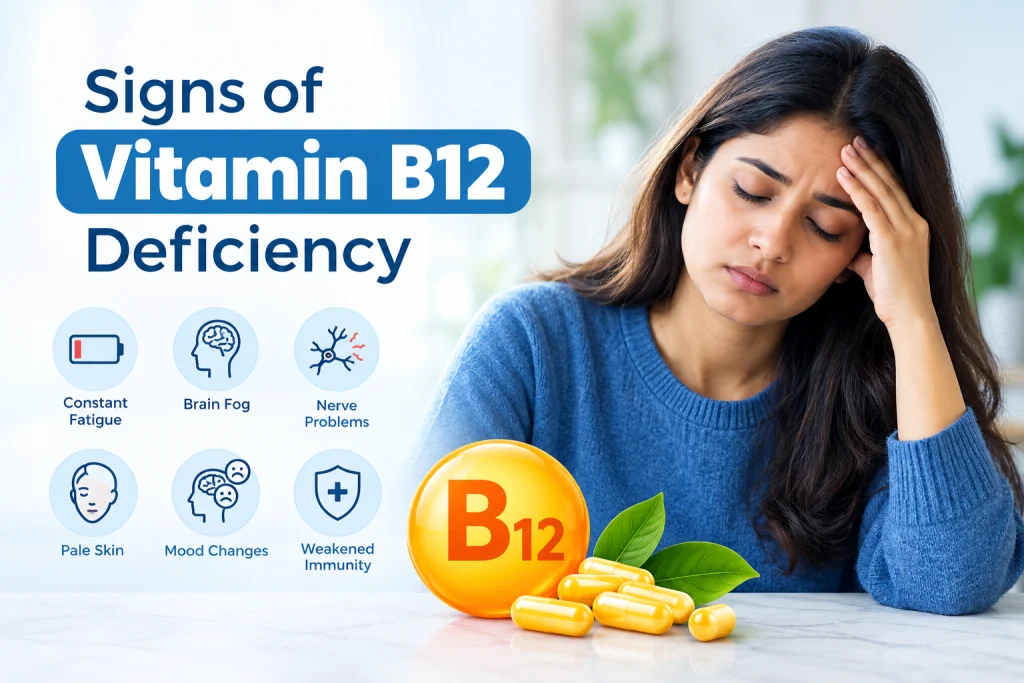
Vitamin B12 is an essential nutrient that plays an important role in keeping the nervous system healthy, supporting red blood cell formation, and helping the body make DNA. When vitamin B12 levels become too low, the effects can range from tiredness and weakness to numbness, balance problems and changes in memory or thinking.
One important point is that vitamin B12 deficiency does not always cause obvious symptoms at first. Symptoms may develop gradually, and some people can have neurological symptoms even without anemia. Early evaluation is therefore important when symptoms persist or several signs appear together.
In this article, we discuss the major signs of vitamin B12 deficiency, possible causes, foods that provide B12, how deficiency is diagnosed, and when you should speak with a healthcare professional.
What Is Vitamin B12?
Vitamin B12, also known as cobalamin, is a water-soluble vitamin needed for several important processes in the body.
It contributes to:
- Healthy red blood cell formation
- Normal nervous system function
- DNA production
- Normal cellular metabolism
- Maintenance of nerve cells
A deficiency can interfere with the production of healthy red blood cells and can also affect the nervous system. Vitamin B12 deficiency is commonly associated with megaloblastic anemia, but neurological effects can occur even when anemia is not present.
The body stores significant amounts of vitamin B12, so symptoms may take a long time to appear after intake or absorption becomes inadequate.
10 Signs of Vitamin B12 Deficiency You Should Not Ignore
1. Persistent Tiredness and Low Energy
One of the commonly reported vitamin B12 deficiency symptoms is persistent tiredness.
A person may feel unusually exhausted despite getting what seems like adequate sleep. Everyday activities that previously felt easy may start requiring more effort.
Vitamin B12 deficiency can contribute to megaloblastic anemia, which can cause tiredness and weakness. However, fatigue has many possible causes, including inadequate sleep, stress, other nutritional deficiencies and medical conditions.
Therefore, tiredness by itself does not confirm a vitamin B12 deficiency.
2. Weakness or Reduced Physical Stamina
Another possible sign is generalized weakness.
You may notice that you become tired more quickly while walking, exercising or performing routine activities. In some cases, weakness can occur alongside anemia or neurological changes associated with B12 deficiency.
If unexplained weakness continues or becomes worse, it is worth discussing it with a healthcare professional rather than assuming that you simply need more rest.
3. Numbness or Tingling in the Hands and Feet
Neurological symptoms are particularly important signs of vitamin B12 deficiency.
Some people experience:
- Pins and needles
- Tingling sensations
- Numbness
- Burning or unusual sensations
- Reduced sensation in the hands or feet
Vitamin B12 is important for normal nervous system function. A deficiency can affect nerves and may cause neurological symptoms even when a person does not have anemia.
Persistent or progressive numbness should not be ignored because untreated neurological problems associated with B12 deficiency can sometimes become permanent.
4. Balance and Coordination Problems
Difficulty maintaining balance or changes in coordination can also occur.
Someone may feel less steady while walking or notice that their coordination is not as good as usual. These symptoms can have many causes, so they should not automatically be attributed to vitamin B12 deficiency.
However, when balance problems occur together with numbness, tingling or other neurological symptoms, medical evaluation becomes particularly important.
5. Memory or Thinking Changes
Vitamin B12 deficiency may be associated with changes involving memory, concentration, understanding or judgment.
Some people may describe:
- Forgetfulness
- Difficulty concentrating
- Feeling mentally “foggy”
- Difficulty remembering information
- Changes in understanding or judgment
The NHS lists memory and cognitive changes among possible symptoms of vitamin B12 or folate deficiency.
These symptoms can also have numerous other causes. If they are persistent or interfering with daily life, consult a healthcare professional for appropriate assessment.
6. Pale Skin
Pale skin can occur when vitamin B12 deficiency contributes to anemia.
Vitamin B12 is required for normal red blood cell production. A deficiency can result in megaloblastic anemia, in which red blood cells become abnormally large and do not function normally.
Paleness is not specific to B12 deficiency, so it should be considered together with other symptoms and appropriate blood-test results.
7. A Sore or Red Tongue
Changes in the mouth can also be among the signs of vitamin B12 deficiency.
A person may develop:
- A sore tongue
- A red or inflamed tongue
- Mouth ulcers
- Unusual sensitivity in the mouth
The NHS identifies a sore or red tongue and mouth ulcers among possible symptoms of vitamin B12 or folate deficiency.
If these symptoms persist, especially alongside fatigue or neurological symptoms, medical evaluation can help determine the underlying cause.
8. Shortness of Breath or Heart Palpitations
Vitamin B12 deficiency can contribute to anemia, and anemia may cause symptoms such as shortness of breath, weakness or heart palpitations.
You may notice that you become breathless more easily during physical activity or experience a sensation of your heart beating unusually strongly or quickly.
However, shortness of breath and palpitations can have many causes. Sudden, severe or unexplained symptoms require prompt medical attention.
9. Appetite or Weight Changes
Loss of appetite and unintended weight loss can occur in vitamin B12 deficiency.
These symptoms are not specific to B12 deficiency and may occur with digestive conditions, infections, other nutritional problems and many other health conditions.
Unexplained weight loss should therefore be evaluated rather than assuming that it is caused by a vitamin deficiency.
10. Mood or Psychological Changes
Vitamin B12 deficiency can also be associated with psychological or neurological changes.
Reported symptoms can include mood changes, depression, anxiety, confusion and, in more severe cases, cognitive problems.
These symptoms are not proof of a vitamin deficiency. Mental health and neurological symptoms have many possible causes, so professional evaluation is important.
What Causes Vitamin B12 Deficiency?
A vitamin B12 deficiency can occur because of inadequate intake, poor absorption, or a combination of factors.
1. Limited Dietary Intake
Vitamin B12 occurs naturally mainly in animal-derived foods.
Important dietary sources include:
- Fish
- Meat
- Poultry
- Eggs
- Milk
- Other dairy products
Some foods, such as certain breakfast cereals and nutritional yeast products, may be fortified with vitamin B12.
People who consume little or no animal-derived food should pay particular attention to reliable sources of vitamin B12, including fortified foods or supplements when appropriate.
2. Problems Absorbing Vitamin B12
Eating enough vitamin B12 does not always guarantee adequate B12 status.
The body uses a complex process to absorb B12 from food. Stomach acid helps release B12 from food proteins, after which vitamin B12 binds with a protein called intrinsic factor before absorption in the intestine.
Conditions affecting the stomach or small intestine can interfere with this process.
3. Pernicious Anemia
Pernicious anemia is an autoimmune condition that can interfere with the body’s ability to absorb vitamin B12.
People with pernicious anemia may lack sufficient intrinsic factor, which is needed for normal B12 absorption.
4. Digestive Disorders or Surgery
Certain gastrointestinal conditions can reduce vitamin B12 absorption.
Examples include some disorders affecting the stomach or small intestine. Certain gastrointestinal surgeries can also increase the risk of deficiency.
5. Certain Medicines
Some medicines can affect vitamin B12 status.
The NHS identifies medicines including metformin and proton pump inhibitors among factors that may contribute to reduced B12 levels.
If you take medication regularly, do not stop it simply because you are concerned about vitamin B12. Discuss possible nutrient effects with your healthcare professional.
Who May Be at Higher Risk?
Certain groups have a higher risk of vitamin B12 inadequacy or deficiency.
These include:
- Older adults
- People following vegetarian or vegan diets without reliable B12 sources
- People with pernicious anemia
- People with certain gastrointestinal disorders
- People who have undergone some stomach or intestinal surgeries
- People taking certain medications for prolonged periods
The risk depends on dietary intake, absorption, medical history and other factors.
Which Foods Contain Vitamin B12?
Including vitamin B12-containing foods in a balanced diet can help support adequate intake.
Animal-based sources
Examples include:
- Fish
- Meat
- Poultry
- Eggs
- Milk
- Dairy products
Fortified foods
Some foods are fortified with vitamin B12. These can include certain breakfast cereals and nutritional yeast products.
Always check the product’s nutrition label because not every plant-based or fortified product contains vitamin B12.
For people who do not consume animal products, discussing reliable B12 sources with a qualified healthcare professional or registered dietitian can be useful.
How Is Vitamin B12 Deficiency Diagnosed?
Symptoms alone cannot reliably diagnose vitamin B12 deficiency because many symptoms overlap with other health conditions.
A healthcare professional may consider:
- Your symptoms
- Medical history
- Dietary pattern
- Medication history
- Blood test results
Blood testing can measure vitamin B12 levels and may also assess blood-cell characteristics and folate levels. Additional testing may sometimes be used to investigate the underlying cause.
The NIH notes that serum or plasma vitamin B12 is commonly used to assess B12 status. When results are borderline, methylmalonic acid (MMA) may help clarify B12 status in appropriate circumstances. Interpretation should take laboratory methods and individual health factors into account.
What Is the Treatment for Vitamin B12 Deficiency?
Treatment depends on why the deficiency occurred and how severe it is.
Depending on the cause, treatment may involve vitamin B12 tablets, injections or dietary changes. People with absorption problems or certain medical conditions may require a different treatment approach from someone whose deficiency is primarily related to dietary intake.
Do not self-diagnose a deficiency solely from symptoms or start high-dose supplements without appropriate advice. A healthcare professional can determine whether testing and supplementation are appropriate for you.
Can Vitamin B12 Deficiency Be Prevented?
In many cases, maintaining adequate vitamin B12 intake and addressing conditions that interfere with absorption can help prevent deficiency.
Helpful steps include:
- Eat a varied, balanced diet.
- Include reliable sources of vitamin B12.
- If you follow a vegetarian or vegan diet, discuss reliable B12 sources with a healthcare professional.
- Follow medical advice if you have a condition that affects nutrient absorption.
- Discuss long-term medication use with your healthcare provider when appropriate.
- Get tested if you have persistent symptoms or are considered at increased risk.
The recommended daily amount for most adults is 2.4 micrograms (mcg) of vitamin B12. Requirements are higher during pregnancy and breastfeeding.
When Should You See a Doctor?
You should consider speaking with a healthcare professional if you have persistent or unexplained symptoms such as:
- Ongoing fatigue
- Unexplained weakness
- Numbness or tingling
- Balance or coordination problems
- Persistent mouth or tongue changes
- Memory or cognitive changes
- Unexplained weight loss
- Shortness of breath or palpitations
This is particularly important when neurological symptoms such as numbness, tingling, balance problems or changes in memory are present.
Vitamin B12 deficiency can affect the nervous system, and some neurological complications may become permanent if the deficiency remains untreated.
Frequently Asked Questions About Vitamin B12 Deficiency
What are the first signs of vitamin B12 deficiency?
Early symptoms can include tiredness, weakness, appetite changes and other nonspecific symptoms. Neurological symptoms such as tingling or numbness may also occur. Symptoms can develop gradually, so persistent or unexplained symptoms should be discussed with a healthcare professional.
Can vitamin B12 deficiency cause tiredness?
Yes. Vitamin B12 deficiency can contribute to fatigue and weakness, particularly when it causes megaloblastic anemia. However, tiredness has many possible causes and does not by itself prove B12 deficiency.
Can B12 deficiency cause tingling in the hands and feet?
Yes. Numbness, pins and needles and other abnormal sensations can occur because vitamin B12 deficiency can affect the nervous system.
Which foods are high in vitamin B12?
Fish, meat, poultry, eggs, milk and dairy products are natural sources of vitamin B12. Some fortified foods can also provide B12.
Can vegetarians and vegans become vitamin B12 deficient?
People who eat little or no animal-derived foods may be at increased risk if they do not consume reliable fortified foods or supplements containing B12.
Is vitamin B12 deficiency serious?
It can be. Untreated deficiency can cause anemia and neurological problems. Some neurological complications may become permanent, which is why persistent symptoms should be evaluated rather than ignored.
How do I know if I have vitamin B12 deficiency?
Symptoms alone are not enough to confirm deficiency. A healthcare professional can assess your symptoms and medical history and may recommend blood tests to evaluate vitamin B12 status and look for possible causes.
Final Thoughts
Recognizing the signs of vitamin B12 deficiency can help you take appropriate action when symptoms persist. Fatigue, weakness, numbness, tingling, balance problems, mouth changes and memory difficulties can all occur with B12 deficiency, although these symptoms can also have other causes.
Vitamin B12 is important for healthy blood cells and normal nervous system function. If you have persistent or unexplained symptoms, especially neurological symptoms, speak with a healthcare professional and consider appropriate testing rather than relying on symptoms alone.
A balanced diet, adequate sources of vitamin B12 and appropriate medical guidance can help support healthy B12 status.
Important: This article is intended for general educational purposes and does not replace professional medical advice, diagnosis or treatment. If you have persistent, severe or rapidly worsening symptoms, seek appropriate medical care.
About KRONE BIOCARE
Krone Biocare is a WHO-GMP Certified pharmaceutical, nutraceutical, and Ayurvedic third-party manufacturing company in India, offering quality-focused manufacturing, private labeling, customized formulations, packaging, and end-to-end product development for healthcare brands.