
How to Choose the Right Third Party Pharma Manufacturer in India: 10 Key Factors
Choosing the right third party pharma manufacturer in India is one of the most important decisions for any pharmaceutical business. Whether you are launching a new pharma brand, expanding an existing product portfolio, or entering a new therapeutic segment, your manufacturing partner can directly influence product quality, regulatory compliance, delivery timelines, and long-term business growth.
India has a large pharmaceutical manufacturing ecosystem, offering businesses access to a wide range of formulations, manufacturing capabilities, packaging solutions, and contract manufacturing services. However, having many options also makes the selection process more challenging.
A manufacturer may offer competitive pricing, but price alone should never be the deciding factor. Quality systems, manufacturing facilities, documentation, product development capabilities, minimum order quantity, communication, and delivery performance are equally important.
In this guide, we will discuss 10 key factors to consider when choosing a third party pharma manufacturer in India, helping you make a more informed and practical decision.
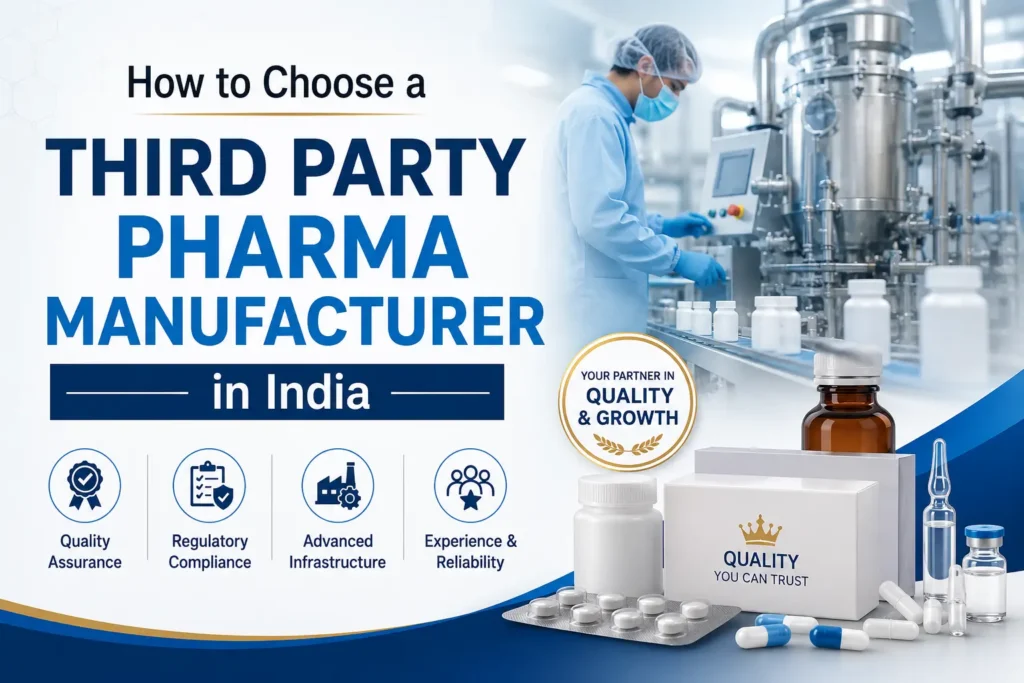
What Is Third Party Pharma Manufacturing?
Third party pharma manufacturing is a business model in which a pharmaceutical company, marketer, distributor, or brand owner partners with an established manufacturer to produce medicines under agreed specifications.
Instead of investing in their own manufacturing plant, machinery, production staff, and infrastructure, a business can work with a manufacturing partner that already has the required facilities and manufacturing capabilities.
Depending on the agreement and product requirements, the manufacturer may support areas such as:
- Pharmaceutical formulation manufacturing
- Product development
- Batch production
- Quality control
- Packaging
- Labelling
- Documentation
- Regulatory support
- Product dispatch
This model allows businesses to focus more on branding, marketing, sales, distribution, and market expansion while the manufacturing partner handles production.
Why Choosing the Right Pharma Manufacturer Matters
Your manufacturing partner becomes an important part of your supply chain. A poor choice can result in inconsistent quality, delayed deliveries, documentation problems, increased costs, and customer dissatisfaction.
On the other hand, a reliable manufacturer can help you maintain consistent product quality, manage production efficiently, and build a sustainable pharmaceutical brand.
Before signing an agreement, businesses should evaluate the manufacturer from multiple perspectives rather than focusing only on the quoted manufacturing price.
10 Key Factors to Consider When Choosing a Third Party Pharma Manufacturer in India
1. Check Manufacturing Quality Standards
The first factor to evaluate is the manufacturer’s quality management system.
A pharmaceutical manufacturer should have appropriate manufacturing facilities, documented procedures, quality control systems, trained personnel, and processes designed to maintain consistent product quality.
Look for information about the manufacturer’s applicable GMP or WHO-GMP standards, quality-control procedures, manufacturing infrastructure, and testing capabilities.
Do not rely only on a certificate displayed on a website. Ask for relevant documentation and verify whether the facility and certifications are applicable to the products you want to manufacture.
Quality should remain a priority even when comparing manufacturing quotations.
2. Evaluate the Product Portfolio and Manufacturing Capabilities
Every manufacturer does not manufacture every type of pharmaceutical product.
Before selecting a company, determine whether its manufacturing capabilities match your product requirements.
Depending on the manufacturer, available dosage forms may include:
- Tablets
- Capsules
- Softgel capsules
- Syrups
- Dry syrups
- Powders
- Sachets
- Oral liquids
- Ointments
- Creams
- Gels
- Nutraceutical formulations
- Ayurvedic products
You should also consider whether the manufacturer has experience with your specific therapeutic or product category.
For example, if you are planning to develop a portfolio containing tablets, capsules, syrups, and topical formulations, choosing a manufacturing partner with multiple relevant capabilities can simplify your supply chain.
3. Verify Regulatory Compliance and Documentation
Pharmaceutical manufacturing involves significant regulatory and documentation requirements. Therefore, documentation should be an important part of your evaluation process.
Ask the manufacturer what documentation and regulatory support they can provide for your products.
Depending on the product and market, documentation may include manufacturing-related records, product specifications, testing documents, certificates, batch-related documentation, and other applicable regulatory records.
A professional third party pharma manufacturer should have a structured documentation process rather than treating documentation as an afterthought.
This becomes even more important if you plan to sell products in multiple markets or eventually expand into pharmaceutical exports.
4. Assess Manufacturing Infrastructure
Manufacturing infrastructure can tell you a lot about a company’s ability to handle your requirements consistently.
During the evaluation process, consider factors such as:
- Production areas
- Quality-control laboratories
- Storage facilities
- Packaging infrastructure
- Production equipment
- Raw-material storage
- Finished-goods storage
- Hygiene and environmental controls
- Batch handling systems
You should also understand the manufacturer’s production capacity.
If your business grows rapidly, your manufacturer should ideally have sufficient capacity to support increased production volumes without compromising quality or delivery schedules.
A manufacturing partner should not only be suitable for your current requirements but also have the potential to support future growth.
5. Compare Product Quality, Not Just Price
One of the most common mistakes businesses make when selecting a third party manufacturer is choosing the lowest quotation.
Manufacturing cost is important, but a cheaper quotation does not automatically mean better value.
Two manufacturers may provide different prices because of differences in:
- Raw materials
- Packaging specifications
- Quality-control processes
- Production technology
- Product formulation
- Testing requirements
- Batch size
- Packaging components
- Documentation
- Service levels
Instead of asking only, “What is the price per unit?”, consider the overall value offered by the manufacturer.
A better approach is to compare quality, specifications, documentation, packaging, production timelines, and commercial terms together.
The objective should be to find a reliable manufacturing partner that provides a reasonable balance between quality and cost.
6. Understand MOQ and Production Flexibility
MOQ, or Minimum Order Quantity, is another important factor when selecting a third party pharma manufacturer.
Different manufacturers may have different MOQs depending on the formulation, packaging, batch size, raw materials, and production requirements.
For startups and growing pharmaceutical businesses, excessively high MOQs can create cash-flow and inventory challenges.
Before placing an order, clarify:
- Minimum batch quantity
- Minimum order quantity
- Packaging quantity
- Sample availability
- Production batch requirements
- Repeat-order requirements
- Possibility of scaling production
A manufacturer that understands the requirements of both emerging and established businesses can make it easier to test new products and gradually increase production.
7. Check Product Development and Customization Support
Sometimes businesses do not simply want an existing formulation. They may need customized products, specific strengths, dosage forms, flavours, packaging configurations, or brand requirements.
Therefore, it is useful to determine whether the manufacturer offers product development or customization support.
Ask whether the company can assist with:
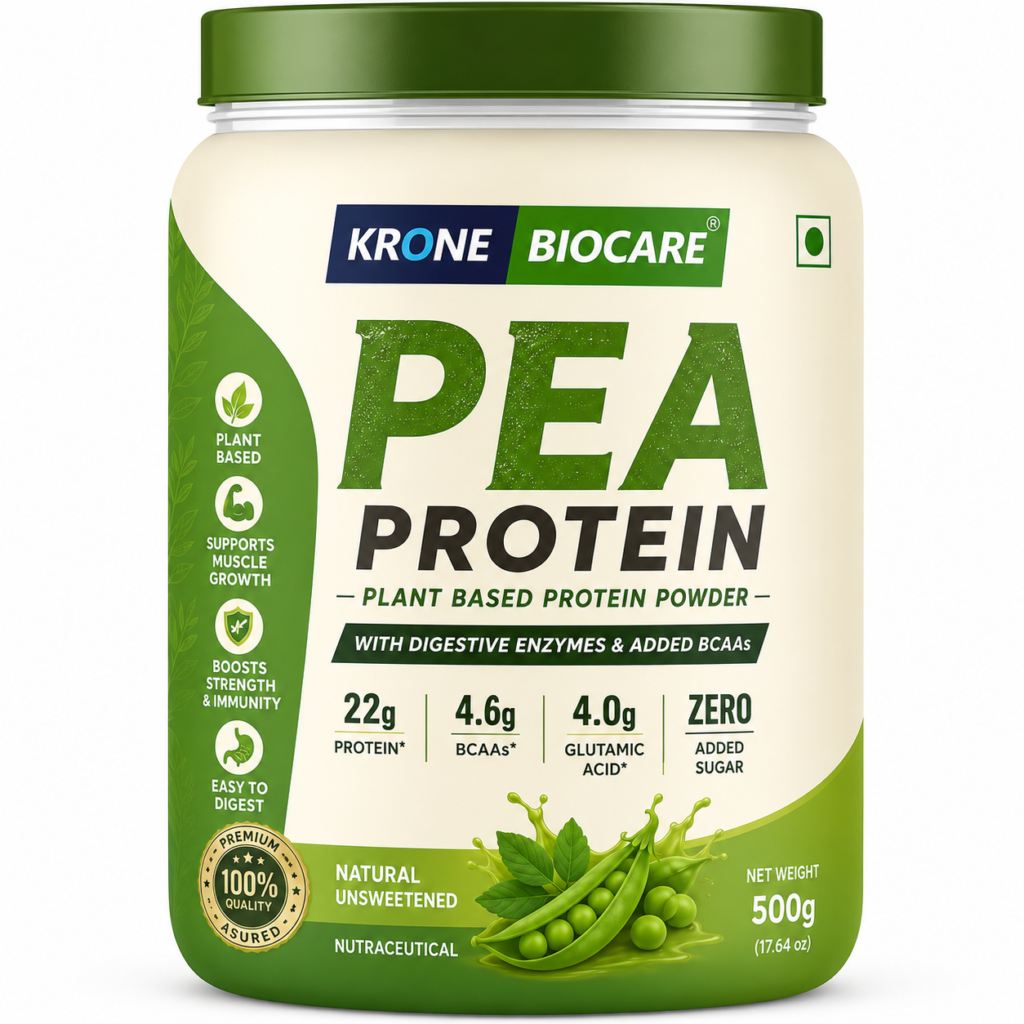
- Formulation selection
- Product customization
- Dosage strength
- Flavour development
- Packaging selection
- Product specifications
- Label requirements
- Portfolio development
A manufacturer with product-development capabilities can become more than a production vendor—it can become a long-term manufacturing partner.
This is especially useful for businesses planning to develop differentiated products instead of competing only on price.
8. Evaluate Packaging and Private Label Capabilities
Pharmaceutical packaging plays an important role in product protection, identification, storage, and brand presentation.
When choosing a third party pharma manufacturer, understand what packaging support is available.
Depending on the product, packaging may include:
- Blister packs
- Alu-Alu packs
- Bottles
- Jars
- Sachets
- Tubes
- Cartons
- Labels
- Printed packaging components
If you are building your own pharmaceutical brand, private-label support can also be valuable.
A capable manufacturing partner should be able to coordinate manufacturing and packaging requirements according to the agreed product specifications and applicable regulatory requirements.
This can make the overall product-development process more efficient.
9. Review Production and Delivery Timelines
A high-quality product delivered late can still create serious business problems.
Delayed manufacturing can affect product launches, distributor commitments, inventory planning, marketing campaigns, and customer relationships.
Before finalizing a manufacturer, ask about:
- Sample development timeline
- Artwork approval timeline
- Raw-material procurement
- Production lead time
- Quality testing timeline
- Packaging timeline
- Dispatch process
- Repeat-order timelines
Do not rely only on verbal commitments. Wherever appropriate, production and delivery expectations should be clearly documented in the commercial agreement or purchase process.
Reliable communication is also essential. Your manufacturer should keep you informed about significant changes or potential delays.
10. Assess Communication, Transparency and Long-Term Support
The final factor is often overlooked: communication.
A manufacturer can have excellent facilities, but if communication is poor, managing your products can become difficult.
Before selecting a manufacturing partner, evaluate how professionally the company responds to your questions.
Consider:
- Response time
- Technical communication
- Documentation sharing
- Pricing transparency
- Order updates
- Sample coordination
- Issue resolution
- After-sales support
You should also consider whether the manufacturer is interested in building a long-term relationship.
Pharmaceutical businesses often require repeated production, new products, packaging changes, portfolio expansion, and ongoing coordination. Therefore, a manufacturer that provides consistent support can offer significantly more value than a company focused only on individual orders.
Questions to Ask a Third Party Pharma Manufacturer Before Placing an Order
Before finalizing your manufacturing partner, prepare a checklist of questions.
Some important questions include:
- What pharmaceutical products do you manufacture?
- What manufacturing standards and certifications apply to your facility?
- What is your minimum order quantity?
- What is the expected production lead time?
- Do you provide product samples?
- What quality-control testing is performed?
- What documentation is provided with the products?
- Can you support customized formulations?
- What packaging options are available?
- Can you support private-label pharmaceutical products?
- How are product specifications finalized?
- What are your payment and commercial terms?
- How do you handle repeat orders?
- What support is available if a quality or production issue occurs?
The answers to these questions can help you compare manufacturers more objectively.
Common Mistakes to Avoid When Selecting a Pharma Manufacturer
Choosing a manufacturing partner based only on price is one of the biggest mistakes.
Other common mistakes include:
Choosing Without Checking Quality
Do not assume that every manufacturer offers the same quality level. Evaluate quality systems, documentation, manufacturing capabilities, and applicable certifications.
Ignoring Documentation
Proper documentation is essential in pharmaceutical manufacturing. Make sure responsibilities and required documents are clearly understood before production.
Selecting a Manufacturer Without Checking Capacity
A manufacturer may be suitable for a small order but struggle to support larger volumes later. Consider your future requirements as well.
Focusing Only on the First Order
A good manufacturing relationship should be sustainable. Evaluate whether the company can support repeat production and future product launches.
Not Clarifying Commercial Terms
Always understand MOQ, payment terms, packaging costs, testing requirements, taxes, freight, and other applicable charges before confirming an order.
Third Party Pharma Manufacturing vs In-House Manufacturing
Businesses often have to decide between setting up their own manufacturing facility and outsourcing production.
In-house manufacturing provides greater direct control over production infrastructure but requires substantial investment in facilities, equipment, manpower, quality systems, maintenance, and regulatory compliance.
Third party manufacturing allows businesses to utilize an established manufacturer’s infrastructure without building their own production facility.
For startups and companies focused primarily on marketing and distribution, third party manufacturing can provide a more flexible way to develop a pharmaceutical product portfolio.
The right choice depends on your business model, investment capacity, production volume, regulatory requirements, and long-term strategy.
How Krone Biocare Can Support Your Pharma Manufacturing Requirements
Krone Biocare provides pharmaceutical manufacturing solutions for businesses looking to develop and expand their product portfolios.
The company focuses on pharmaceutical, nutraceutical, and Ayurvedic manufacturing requirements, with services designed to support businesses from product selection and manufacturing to packaging and supply.
For a pharmaceutical brand, the objective is not simply to find a manufacturer that can produce a product. The ideal partner should understand your product requirements, quality expectations, documentation needs, packaging specifications, and business goals.
Working with an experienced manufacturing partner can help streamline the journey from product concept to finished product.
If you are evaluating third party pharmaceutical manufacturing in India, Krone Biocare can be considered as a potential manufacturing partner based on your specific product and business requirements.
Final Checklist for Choosing a Third Party Pharma Manufacturer
Before making your final decision, evaluate your shortlisted manufacturers against these 10 factors:
- Quality standards and manufacturing practices
- Product portfolio and manufacturing capabilities
- Regulatory compliance and documentation
- Manufacturing infrastructure
- Product quality versus price
- MOQ and production flexibility
- Product development and customization
- Packaging and private-label capabilities
- Production and delivery timelines
- Communication and long-term support
A manufacturer that performs well across these areas is more likely to become a reliable long-term partner.
Conclusion
Choosing the right third party pharma manufacturer in India requires more than comparing manufacturing quotations. Quality, regulatory compliance, infrastructure, documentation, MOQ, customization, packaging, delivery timelines, and communication should all be evaluated before making a decision.
The right manufacturing partner can help pharmaceutical businesses reduce infrastructure requirements, develop quality products, expand their portfolio, and focus on marketing and market development.
Before signing a manufacturing agreement, conduct proper due diligence, clarify your product specifications, understand commercial terms, verify applicable documentation, and ensure that both parties have clear expectations.
Whether you are launching your first pharmaceutical product or expanding an established portfolio, selecting the right manufacturing partner can become an important foundation for long-term business growth.
Frequently Asked Questions
What is third party pharma manufacturing?
Third party pharma manufacturing is a business arrangement where a pharmaceutical company outsources product manufacturing to an established pharmaceutical manufacturer instead of producing the products in its own facility.
How do I choose the best third party pharma manufacturer in India?
Evaluate the manufacturer’s quality standards, manufacturing capabilities, documentation, infrastructure, MOQ, customization support, packaging capabilities, production timelines, pricing, and communication before making your decision.
What should I check before selecting a pharmaceutical manufacturer?
You should check applicable manufacturing certifications, quality systems, product capabilities, documentation, MOQ, production capacity, testing procedures, packaging options, lead times, and commercial terms.
Is third party pharma manufacturing suitable for startups?
Yes. Third party manufacturing can be useful for startups because it allows them to access established manufacturing infrastructure without setting up their own pharmaceutical production facility.
What is MOQ in pharma manufacturing?
MOQ stands for Minimum Order Quantity. It refers to the minimum quantity a manufacturer requires a customer to order or manufacture for a particular product.
Can third party manufacturers provide customized pharmaceutical products?
Some manufacturers provide formulation, dosage, packaging, or other customization options. Requirements depend on the manufacturer’s capabilities and applicable regulatory requirements.
Why is documentation important in pharmaceutical manufacturing?
Documentation helps establish product specifications, manufacturing records, testing information, traceability, and regulatory compliance. The exact documents required depend on the product and applicable regulations.
Should I choose a pharma manufacturer based only on price?
No. Price should be considered alongside quality, specifications, documentation, manufacturing capabilities, delivery timelines, and overall service.
About Krone Biocare (A WHO-GMP Certified Contract Third Party Manicuring Company)
Krone Biocare is a trusted pharmaceutical, nutraceutical, and Ayurvedic third-party manufacturing company in India. We provide quality-focused manufacturing solutions, customized formulations, packaging support, and regulatory assistance to help businesses build and grow their brands.
With a commitment to quality, innovation, and timely delivery, Krone Biocare supports startups, healthcare companies, and established brands with reliable manufacturing solutions.
Third Party Pharma Manufacturer in India, Third Party Pharma Manufacturer in India, Third Party Pharma Manufacturer in India, Third Party Pharma Manufacturer in India, Third Party Pharma Manufacturer in India, Third Party Pharma Manufacturer in India, Third Party Pharma Manufacturer in India, Third Party Pharma Manufacturer in India, Third Party Pharma Manufacturer in India, Third Party Pharma Manufacturer in India, Third Party Pharma Manufacturer in India, Third Party Pharma Manufacturer in India,Third Party Pharma Manufacturer in India, Third Party Pharma Manufacturer in India, Third Party Pharma Manufacturer in India, Third Party Pharma Manufacturer in India, Third Party Pharma Manufacturer in India,Third Party Pharma Manufacturer in India, Third Party Pharma Manufacturer in India, Third Party Pharma Manufacturer in India, Third Party Pharma Manufacturer in India, Third Party Pharma Manufacturer in India
2 Responses