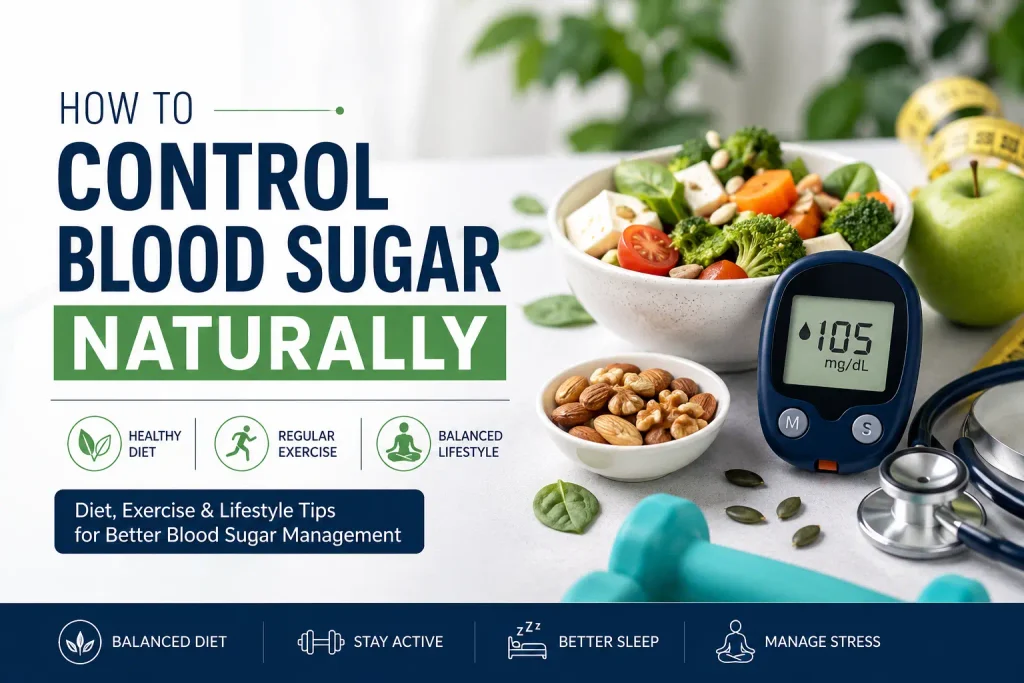
How to Control Blood Sugar Naturally: Diet, Exercise & Lifestyle Tips
Maintaining healthy blood sugar levels is an important part of overall wellness. Blood glucose provides energy to the body, but consistently high blood sugar can become a health concern and may be associated with insulin resistance, prediabetes and type 2 diabetes.
The good news is that everyday habits can play an important role in supporting healthy blood sugar management. A balanced diet, regular physical activity, adequate sleep, stress management and maintaining a healthy body weight can all contribute to better glucose control.
If you are wondering how to control blood sugar naturally, the answer is not a single food, drink or supplement. Instead, long-term results depend on combining several healthy lifestyle habits and following appropriate medical advice when needed.
This guide explains practical and sustainable ways to support healthy blood sugar levels through diet, exercise and lifestyle changes.
Important: This article is for general educational purposes and is not a substitute for medical advice, diagnosis or treatment. People with diabetes or those taking glucose-lowering medication should speak with their healthcare professional before making significant dietary or exercise changes.
What Is Blood Sugar?
Blood sugar, also called blood glucose, is the main type of sugar found in the bloodstream. Your body obtains glucose primarily from carbohydrates in food. Glucose is then used by cells as an energy source.
Insulin, a hormone produced by the pancreas, helps glucose move from the bloodstream into cells. When this process does not work effectively, blood glucose may remain elevated.
Blood sugar naturally changes throughout the day depending on factors such as:
Food intake
Physical activity
Sleep
Stress
Hormonal changes
Illness
Medication
Individual metabolism
For this reason, maintaining healthy blood glucose is generally about consistent habits rather than trying to eliminate carbohydrates or relying on a single “blood sugar lowering” food.
Why Is Blood Sugar Management Important?
Healthy blood sugar management supports normal energy metabolism and overall health.
Persistently elevated blood glucose can be associated with insulin resistance and diabetes. Over time, poorly controlled diabetes can increase the risk of complications affecting different parts of the body.
However, blood sugar management does not mean avoiding every carbohydrate. The quality and quantity of carbohydrates, meal composition, physical activity and overall lifestyle all matter.
A sustainable approach focuses on nutritious foods, regular movement and habits that can realistically be followed over the long term.
1. Choose High-Fiber Foods
One of the simplest ways to improve your overall diet is to increase your intake of fiber-rich foods.
Dietary fiber is found naturally in vegetables, fruits, legumes, whole grains, nuts and seeds. Fiber can slow digestion and help carbohydrates enter the bloodstream more gradually.
Good sources of fiber include:
Oats
Barley
Lentils
Chickpeas
Beans
Vegetables
Apples and pears
Berries
Chia seeds
Flaxseeds
Nuts
Instead of focusing on eliminating carbohydrates completely, choose minimally processed carbohydrate sources that provide fiber and other nutrients.
2. Build Balanced Meals
A balanced meal can make blood sugar management easier than eating large portions of refined carbohydrates by themselves.
Try building meals around:
Protein + vegetables + high-fiber carbohydrates + healthy fats
For example, a meal could include grilled paneer or another protein source, mixed vegetables, a portion of whole grains or legumes, and a small amount of healthy fat.
Protein and fiber can contribute to satiety, which may also help with overall calorie management.
3. Limit Refined Sugars and Highly Processed Foods
Foods and beverages containing large amounts of added sugar can make it harder to maintain a balanced diet.
Examples include:
Sugary soft drinks
Sweetened packaged beverages
Candy
Cakes
Cookies
Sweetened cereals
Desserts
Many highly processed snack foods
You do not necessarily need to completely eliminate every food containing sugar. Instead, focus on reducing frequent consumption of foods high in added sugars and choosing nutrient-dense alternatives most of the time.
Water, unsweetened beverages and whole foods are generally better everyday choices.
4. Eat More Non-Starchy Vegetables
Vegetables are an important part of a blood-sugar-friendly eating pattern.
Non-starchy vegetables such as spinach, cucumber, broccoli, cauliflower, cabbage, tomatoes, bell peppers, mushrooms and leafy greens provide fiber, vitamins and minerals.
Try filling a substantial portion of your plate with vegetables.
A colorful variety can also help you obtain a wider range of nutrients.
5. Include Protein in Your Meals
Protein plays an important role in a balanced diet and can help you feel full after meals.
Protein sources can include:
Eggs
Fish
Chicken
Paneer
Tofu
Lentils
Chickpeas
Beans
Greek yogurt or unsweetened yogurt
Nuts and seeds
The best protein choices depend on your dietary preferences, health requirements and overall eating pattern.
If you have kidney disease or another medical condition requiring protein restriction, consult your healthcare professional before significantly increasing protein intake.
6. Choose Healthy Fats
Healthy fats can be part of a balanced diet.
Sources include:
Almonds
Walnuts
Peanuts
Flaxseeds
Chia seeds
Avocado
Olive oil
Fatty fish
Although healthy fats can be nutritious, they are calorie-dense. Portion size therefore still matters, particularly if weight management is one of your goals.
7. Exercise Regularly
Physical activity is one of the most important lifestyle strategies for supporting healthy blood glucose.
When you exercise, your muscles use glucose for energy. Regular physical activity can also support cardiovascular health, muscle strength and healthy body weight.
Useful activities include:
Brisk walking
Cycling
Swimming
Jogging
Strength training
Dancing
Sports
Yoga and mobility exercises
For many adults, a combination of aerobic activity and strength training provides a well-rounded approach.
If you have diabetes, especially if you use insulin or medicines that can cause low blood sugar, ask your healthcare professional how to exercise safely.
8. Take a Walk After Meals
A short walk after eating can be an easy way to add movement to your day.
Rather than remaining seated for long periods after meals, consider incorporating light-to-moderate movement when practical.
Even small changes can help make an otherwise sedentary day more active.
The key is consistency rather than intensity.
9. Maintain a Healthy Body Weight
For people who are overweight or have insulin resistance, gradual weight loss may improve metabolic health.
However, extreme diets are rarely necessary or sustainable.
A healthier strategy is to focus on:
Balanced meals
Appropriate portions
Regular exercise
Adequate protein
High-fiber foods
Reduced intake of highly processed foods
Consistent sleep
Even modest lifestyle improvements can be meaningful.
If you are trying to lose weight, aim for gradual and sustainable progress rather than rapid weight-loss programs.
10. Get Enough Quality Sleep
Sleep is often overlooked when discussing blood sugar management.
Poor sleep can affect appetite, energy, stress and metabolic health. Establishing a consistent sleep schedule can therefore support an overall healthy lifestyle.
Helpful habits include:
Going to bed at a consistent time
Keeping the bedroom comfortable and dark
Limiting excessive screen exposure before bed
Avoiding heavy meals immediately before sleeping
Limiting caffeine late in the day
Getting regular daytime physical activity
Most adults should aim for approximately 7–9 hours of sleep per night, although individual needs can vary.
11. Manage Stress
Stress is another important part of the blood sugar equation.
During periods of stress, the body releases hormones that can affect blood glucose levels. Chronic stress can also make it harder to maintain healthy eating, exercise and sleep habits.
Simple stress-management techniques include:
Deep breathing
Meditation
Walking
Yoga
Reading
Spending time outdoors
Social connection
Hobbies
Maintaining a regular daily routine
You do not need a complicated wellness routine. Even a few minutes of intentional relaxation may be useful.
12. Stay Hydrated
Drinking enough water is an important part of overall health.
Water does not “cure” high blood sugar, but replacing sugary beverages with water can reduce unnecessary added sugar and calories.
If you regularly drink soda, sweetened tea, energy drinks or other sugary beverages, gradually replacing them with water or unsweetened alternatives can be a practical lifestyle improvement.
People with certain medical conditions may have specific fluid restrictions, so individual medical advice should always take priority.
13. Be Careful With “Natural” Blood Sugar Remedies
The word “natural” does not automatically mean safe or effective.
Many herbs, supplements and traditional ingredients are promoted online as ways to lower blood sugar. Some may have limited evidence, while others may interact with medications.
Examples often discussed include:
Cinnamon
Fenugreek
Bitter melon
Berberine
Gymnema
Aloe vera
Research on these ingredients varies, and they should not automatically be considered substitutes for prescribed diabetes treatment.
If you are taking diabetes medication, consult a qualified healthcare professional before using supplements or herbal products intended to affect blood glucose.
14. Monitor Your Blood Sugar When Recommended
Lifestyle changes are useful, but monitoring is especially important for people diagnosed with diabetes or prediabetes when recommended by a healthcare professional.
Depending on your situation, your healthcare provider may recommend blood glucose monitoring or laboratory tests such as HbA1c.
Tracking results can help you and your healthcare team understand how your body responds to food, exercise, medication and lifestyle changes.
Do not change prescribed medication based solely on home readings or information found online.
15. Focus on Consistency, Not Perfection
One of the biggest mistakes people make when trying to improve blood sugar is expecting instant results.
A sustainable approach may involve making small changes such as:
Replacing sugary drinks with water
Adding vegetables to lunch and dinner
Walking regularly
Eating more fiber
Including protein in meals
Sleeping consistently
Reducing highly processed snacks
Managing stress
These habits may appear simple, but following them consistently can make a significant difference to overall health.
Foods to Include for Better Blood Sugar Management
There is no single “best” food for blood sugar. Instead, focus on a diverse diet based largely on minimally processed foods.
Some useful choices include:
Vegetables
Leafy greens, broccoli, cauliflower, cucumber, tomatoes, carrots, beans and other vegetables can provide fiber and micronutrients.
Whole Grains
Oats, barley and other minimally processed whole grains can provide more fiber than refined grains.
Legumes
Lentils, chickpeas and beans provide a combination of carbohydrates, protein and fiber.
Nuts and Seeds
Almonds, walnuts, flaxseeds and chia seeds can provide healthy fats, fiber and other nutrients.
Fruits
Whole fruits can be part of a balanced diet. Whole fruit is generally preferable to fruit juice because it retains fiber and requires more chewing.
Portion size and overall carbohydrate intake still matter, particularly for individuals managing diabetes.
Foods and Drinks to Limit
Rather than labeling foods as completely “good” or “bad,” consider how frequently you consume them.
Foods and drinks to limit may include:
Sugar-sweetened beverages
Excessive sweets
Highly refined grains
Highly processed snacks
Frequent desserts
Large portions of refined carbohydrates
Foods high in added sugars
The goal is to create a sustainable eating pattern rather than a restrictive short-term diet.
Can Blood Sugar Be Controlled Naturally Without Medication?
This depends entirely on the individual.
Some people with prediabetes or early metabolic problems may improve their blood glucose through lifestyle changes, while people with diabetes may require medication in addition to diet and exercise.
Lifestyle changes should complement medical care rather than replace prescribed treatment.
If you have diabetes, never stop or reduce medication without speaking with your healthcare provider.
When Should You Talk to a Doctor?
You should seek professional medical guidance if you have symptoms or concerns related to blood sugar.
Possible symptoms of high blood sugar can include:
Increased thirst
Frequent urination
Unexplained weight changes
Fatigue
Blurred vision
Slow-healing wounds
These symptoms can have multiple causes, so they should not be used to self-diagnose diabetes.
If you are concerned about your blood sugar, appropriate testing and professional evaluation are the safest approach.
Frequently Asked Questions
1. What is the best way to control blood sugar naturally?
A combination of a balanced high-fiber diet, regular physical activity, healthy weight management, adequate sleep, stress management and appropriate medical monitoring can support healthy blood sugar levels.
2. Can walking help control blood sugar?
Regular walking and other forms of physical activity can help muscles use glucose and support overall metabolic health. A short walk after meals may also be a practical way to add movement to your routine.
3. What foods help with blood sugar management?
Vegetables, legumes, whole grains, nuts, seeds and whole fruits can be part of a balanced eating pattern. Protein-rich foods can also help create balanced meals.
4. Should I stop eating carbohydrates?
Not necessarily. Carbohydrates are an important source of energy. Instead of eliminating them completely, focus on appropriate portions and higher-fiber, minimally processed carbohydrate sources.
5. Does drinking water lower blood sugar?
Water is important for hydration, but it should not be considered a treatment for high blood sugar. Replacing sugary beverages with water can, however, reduce added sugar intake.
6. Can exercise lower blood sugar?
Physical activity can help muscles use glucose and may support better blood sugar management. People taking glucose-lowering medication should discuss exercise safety with their healthcare provider.
7. Can cinnamon control blood sugar?
Cinnamon is frequently studied for its potential effects on blood glucose, but evidence is not strong enough to treat it as a replacement for established diabetes treatment.
8. How long does it take to improve blood sugar?
The timeline varies significantly between individuals. Diet, exercise, medications, body weight, sleep, stress and underlying health conditions can all influence blood glucose.
Final Thoughts
Learning how to control blood sugar naturally is less about finding a miracle food and more about developing sustainable habits.
A nutritious diet rich in vegetables, fiber and minimally processed foods, combined with regular physical activity, adequate sleep, stress management and healthy weight management, can support better metabolic health.
However, natural lifestyle strategies should not be confused with a cure for diabetes. If you have diabetes, prediabetes, persistent high blood glucose or symptoms that concern you, consult a qualified healthcare professional.
The most effective approach is usually the one you can follow consistently. Small, realistic improvements in diet, movement, sleep and daily habits can build a stronger foundation for long-term health.
About Krone Biocare
Krone Biocare is a WHO-GMP certified trusted pharmaceutical, nutraceutical, and Ayurvedic third-party manufacturing company in India, providing reliable manufacturing solutions for healthcare, wellness, and pharmaceutical brands. We help businesses develop, manufacture, package, and launch quality products under their own brand name.
With a focus on quality, innovation, consistency, and customer satisfaction, Krone Biocare offers end-to-end manufacturing support, including custom formulation, private label manufacturing, quality testing, customized packaging, and scalable production. Our product capabilities cover a wide range of dosage forms, including tablets, capsules, softgels, syrups, powders, gummies, sachets, and other healthcare formulations.
Whether you are a startup, pharmaceutical company, nutraceutical brand, distributor, exporter, or established healthcare business, Krone Biocare provides manufacturing solutions designed to support your product development and business growth.
Learn more about Krone Biocare and our manufacturing solutions →www.kronebiocare.com
control blood sugar naturally, control blood sugar naturally, control blood sugar naturally, control blood sugar naturally, control blood sugar naturally, control blood sugar naturally, control blood sugar naturally, control blood sugar naturally, control blood sugar naturally, control blood sugar naturally, control blood sugar naturally, control blood sugar naturally, control blood sugar naturally