
Weight Management: A Complete Guide to Healthy and Sustainable Weight Management
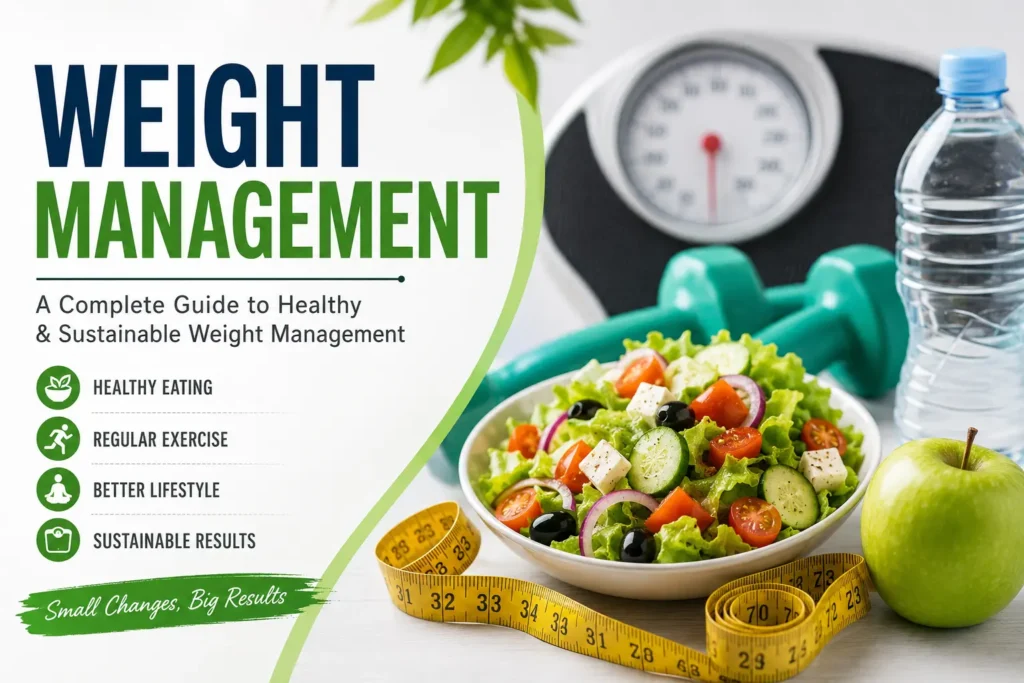
Weight management is an important part of maintaining good health and improving overall quality of life. It is not simply about losing a few kilograms or following a temporary diet. Effective weight management is about creating healthy habits that you can maintain for the long term.
In today’s busy lifestyle, maintaining a healthy weight can be challenging. Long working hours, sedentary routines, processed foods, stress, poor sleep, and lack of physical activity can all affect our eating habits and body weight. However, making small and consistent changes can help you develop a healthier lifestyle.
Whether your goal is to lose weight, maintain your current weight, or prevent future weight gain, understanding the fundamentals of weight management can help you make better decisions.
What Is Weight Management?
Weight management refers to the process of achieving and maintaining a healthy body weight through a combination of nutrition, physical activity, sleep, stress management, and other lifestyle habits.
While weight loss focuses primarily on reducing body weight, weight management has a broader goal. It includes losing excess weight when appropriate and maintaining a healthy weight over time.
A sustainable approach does not depend on crash diets or extreme exercise routines. Instead, it focuses on habits that can realistically become part of your everyday life.
The right weight management strategy can be different for every person. Factors such as age, genetics, lifestyle, activity level, food preferences, sleep, medications, and underlying health conditions may influence body weight.
Why Is Weight Management Important?
Maintaining a healthy weight can contribute to better physical and mental well-being. Excess body weight may increase the risk of several chronic health conditions, including type 2 diabetes, high blood pressure, cardiovascular disease, and certain joint problems.
Healthy weight management may help support:
- Better physical fitness and mobility
- Healthy blood pressure and blood sugar levels
- Improved energy levels
- Better eating habits
- Improved confidence and self-esteem
- Long-term health and well-being
- A more active lifestyle
However, weight should not be the only measure of health. Factors such as fitness, nutrition, sleep, mental well-being, and overall lifestyle are also important.
What Causes Weight Gain?
Weight gain can happen for many different reasons. It is usually influenced by a combination of eating patterns, physical activity, genetics, environment, sleep, stress, and other factors.
1. Excess Calorie Intake
When the body consistently receives more energy from food and drinks than it uses, the excess energy can be stored as body fat.
Large portions, frequent snacking, sugary beverages, and highly processed foods can make it easier to consume more calories than needed.
2. Lack of Physical Activity
Modern lifestyles often involve long periods of sitting. Working at a desk, spending time on screens, and relying on vehicles for transportation can reduce daily physical activity.
3. Poor Sleep
Sleep plays an important role in overall health. Inadequate or poor-quality sleep may affect appetite, energy levels, food choices, and daily activity.
4. Stress
Stress can influence eating behavior. Some people may eat more when they feel stressed, anxious, bored, or emotionally overwhelmed.
5. Medical and Other Factors
Certain medical conditions and medications can affect body weight. Genetics can also influence appetite, metabolism, body composition, and how the body stores fat.
If you are experiencing unexplained weight gain or difficulty managing your weight despite consistent lifestyle changes, speaking with a qualified healthcare professional may be helpful.
10 Effective Weight Management Tips
Creating a healthier lifestyle does not mean changing everything overnight. Start with small, realistic improvements and gradually build better habits.
1. Eat a Balanced Diet
A balanced diet is one of the foundations of healthy weight management.
Try to include a variety of nutrient-rich foods such as:
- Vegetables
- Fruits
- Whole grains
- Beans and legumes
- Lean protein sources
- Nuts and seeds
- Healthy fats
Instead of completely eliminating foods you enjoy, focus on balance and moderation. A flexible approach can be easier to maintain than a highly restrictive diet.
2. Focus on Portion Control
Healthy foods can still contribute to excess calorie intake when consumed in very large quantities.
Pay attention to portion sizes and try eating slowly. Give your body enough time to recognize when you are becoming full.
Simple habits such as using appropriate serving sizes, avoiding distracted eating, and listening to hunger and fullness cues can support better eating habits.
3. Choose More Whole Foods
Whole and minimally processed foods can provide important nutrients and may help you feel satisfied.
Instead of relying heavily on highly processed snacks and sugary beverages, build meals around vegetables, fruits, whole grains, and protein-rich foods.
This does not mean processed foods must be completely avoided. The goal is to create an overall eating pattern that supports your health.
4. Stay Physically Active
Regular physical activity is another important part of weight management.
You do not necessarily need an expensive gym membership. Activities such as walking, cycling, swimming, dancing, yoga, and strength training can all contribute to a more active lifestyle.
Choose activities that you enjoy because enjoyable activities are easier to continue consistently.
5. Include Strength Training
Strength training can complement aerobic exercise by helping improve muscular strength and overall fitness.
Exercises using body weight, resistance bands, free weights, or gym equipment can be incorporated according to your fitness level.
If you are new to exercise or have a health condition, consider getting guidance from a qualified fitness professional or healthcare provider.
6. Drink Enough Water
Hydration is an important part of a healthy lifestyle.
Water is generally a simple choice for staying hydrated, while replacing sugary beverages with water can reduce unnecessary sugar and calorie intake.
Keep a water bottle with you during the day and make hydration a regular habit.
7. Get Quality Sleep
Sleep is often overlooked when discussing weight management.
Adults generally benefit from getting adequate, consistent sleep. Poor sleep may affect appetite, energy levels, mood, and food choices.
Create a regular sleep routine, reduce unnecessary screen time before bed, and aim to make your bedroom comfortable and relaxing.
8. Manage Stress
Stress management is another important component of sustainable weight management.
When people are stressed, they may experience changes in appetite or develop habits such as emotional eating.
Helpful strategies can include:
- Deep breathing
- Meditation
- Walking
- Yoga
- Journaling
- Spending time with loved ones
- Enjoying hobbies
- Taking regular breaks
Find a stress-management strategy that fits naturally into your routine.
9. Set Realistic Goals
Unrealistic goals can lead to frustration and loss of motivation.
Instead of focusing only on rapid weight loss, set smaller behavioral goals.
For example:
- Walk regularly
- Eat more vegetables
- Reduce sugary drinks
- Improve sleep consistency
- Prepare meals at home more often
- Include regular physical activity
These small changes can gradually become long-term habits.
10. Track Your Progress
Tracking your habits can help you understand what works for you.
Depending on your goals, you might track:
- Physical activity
- Meals
- Water intake
- Sleep
- Body weight
- Waist measurements
- Energy levels
- Daily habits
However, avoid becoming overly focused on the weighing scale. Progress can also be measured through improved fitness, energy, strength, sleep, and consistency.
Weight Loss vs. Weight Management
Weight loss and weight management are connected but have different goals.
Weight loss generally refers to reducing body weight, particularly when someone has excess body weight and would benefit from losing it.
Weight management focuses on the bigger picture. It includes achieving a healthy weight when appropriate and maintaining it through sustainable habits.
Many people focus heavily on losing weight but overlook what happens afterward. Returning to previous eating and activity patterns can make it difficult to maintain results.
This is why sustainable lifestyle changes are important.
A successful weight management plan should be realistic enough to continue even after reaching a desired weight.
Common Weight Management Mistakes to Avoid
Following Crash Diets
Crash diets often promise rapid results, but highly restrictive approaches may be difficult to maintain.
Instead of looking for the fastest solution, focus on building habits that can fit into your everyday lifestyle.
Completely Eliminating Food Groups
Some diets require people to completely eliminate certain foods or food groups. While specific dietary approaches may be appropriate for some individuals, unnecessary restriction can make eating patterns difficult to sustain.
A balanced approach is often more practical.
Skipping Meals
Skipping meals is not automatically an effective weight management strategy. For some people, excessive hunger later in the day can make it harder to make balanced food choices.
Focus on a meal pattern that works for your individual needs and schedule.
Exercising Too Much
More exercise is not always better. Rest and recovery are also important.
Create a balanced routine that includes physical activity, recovery, and adequate sleep.
Expecting Immediate Results
Healthy lifestyle changes take time.
Daily weight can naturally fluctuate due to hydration, food intake, digestion, and other factors. Avoid judging your entire progress based on one day’s measurement.
How to Create a Sustainable Weight Management Plan
A sustainable weight management plan should be practical, flexible, and personalized.
Start by evaluating your current lifestyle.
Ask yourself:
- What foods do I eat most often?
- How active am I during the day?
- How well do I sleep?
- What triggers unhealthy eating?
- How do I manage stress?
- Which habits are easiest for me to change?
Once you understand your current routine, choose one or two areas to improve first.
For example, you could begin by taking a daily walk and adding more vegetables to your meals. After these habits become consistent, you can gradually introduce additional changes.
The goal is not perfection. The goal is consistency.
The Role of Nutrition in Weight Management
Nutrition plays a major role in maintaining a healthy weight.
Rather than focusing only on calories, consider the overall nutritional quality of your diet.
A healthy eating pattern can include:
Protein: Helps support muscles and can contribute to feelings of fullness.
Fiber-rich foods: Vegetables, fruits, whole grains, beans, and legumes can support digestive health and help meals feel more satisfying.
Healthy fats: Foods such as nuts, seeds, and certain plant-based oils can provide essential nutrients.
Whole grains: Options such as oats, brown rice, and whole-grain breads can be part of a balanced diet.
The right nutritional approach depends on individual needs. If you have specific dietary requirements or medical conditions, consult a qualified nutrition professional.
How Physical Activity Supports Weight Management
Physical activity can help increase energy expenditure and improve overall fitness.
A combination of aerobic activity and strength training can be beneficial for many adults.
You can also increase movement throughout the day by:
- Taking short walking breaks
- Using stairs when practical
- Walking while talking on the phone
- Doing household activities
- Spending less time sitting continuously
These small movements can add up over time.
Weight Management for Long-Term Health
Successful weight management is not about following a perfect routine every day.
There will be days when you eat something different, miss a workout, sleep poorly, or feel less motivated. One difficult day does not erase your progress.
Instead of giving up, return to your healthy habits at the next opportunity.
Think of weight management as a long-term lifestyle rather than a temporary project.
Consistency, flexibility, and patience can help make healthy habits easier to maintain.
Frequently Asked Questions About Weight Management
What is the most effective way to manage weight?
There is no single strategy that works for everyone. A combination of balanced nutrition, regular physical activity, adequate sleep, stress management, and sustainable lifestyle habits can support healthy weight management.
Can I manage my weight without a strict diet?
Yes. Weight management does not necessarily require an extremely restrictive diet. A balanced eating pattern, appropriate portions, regular physical activity, and consistent habits can be more sustainable for many people.
How important is exercise for weight management?
Exercise is an important part of a healthy lifestyle and can support weight management, fitness, and overall health. Combining physical activity with healthy eating habits can provide a more comprehensive approach.
Does sleep affect weight management?
Sleep is an important part of overall health. Poor sleep can influence appetite, energy, mood, and daily lifestyle behaviors, which may make healthy weight management more difficult.
How quickly can I lose weight?
Weight changes vary from person to person. Factors such as starting weight, nutrition, activity level, genetics, health conditions, and lifestyle can influence results. A gradual and sustainable approach is generally more realistic than expecting rapid changes.
Is weight management only about the number on the scale?
No. Body weight is only one measure. Fitness, strength, energy, nutrition, sleep, mental well-being, and other health indicators are also important.
Should I consult a professional for weight management?
If you have a medical condition, take medications that may affect weight, have unexplained weight changes, or are unsure about the safest approach, consult a qualified healthcare professional or registered dietitian for personalized guidance.
Final Thoughts
Weight management is a long-term journey, not a quick fix.
The most effective approach is to focus on sustainable habits rather than extreme diets or unrealistic goals. Eat a balanced diet, stay physically active, get enough sleep, manage stress, and create realistic goals that fit your lifestyle.
Remember that progress does not have to be perfect. Even small improvements can contribute to healthier habits over time.
The goal of weight management should not simply be a smaller number on the scale. It should be a healthier, more active, and sustainable lifestyle that supports your overall well-being.
About Krone Biocare
Krone Biocare, A leading WHO-GMP Certified Company is committed to promoting healthier lifestyles through practical, science-informed approaches to nutrition, wellness, and weight management. Our goal is to help individuals make better health choices by providing easy-to-understand information and sustainable lifestyle guidance.
At Krone Biocare, we believe that healthy weight management is about long-term habits, not quick fixes. From balanced nutrition and regular physical activity to better sleep and everyday wellness, we focus on simple steps that can support a healthier and more active lifestyle.
Krone Biocare — Supporting your journey toward a healthier lifestyle.